
Reviewed · WHIRLING DERVISH CEREMONIES
Whirling Dervish Ceremony Tickets in Istanbul
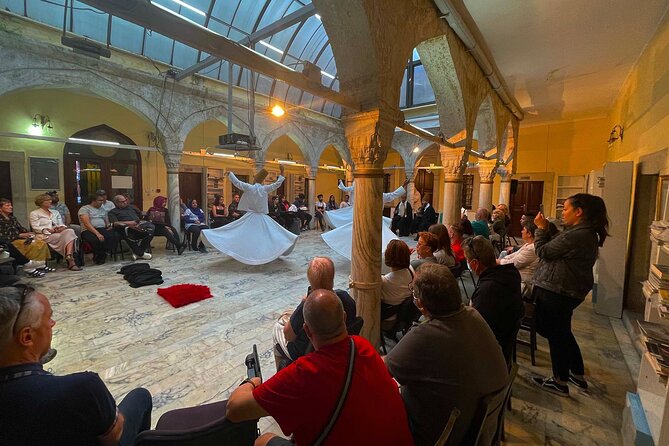
Spinning in Istanbul feels oddly personal. This one-hour whirling dervish ceremony takes place in a traditional house near Hagia Sophia, with coffee and tea included so you can settle in before the ritual starts. The show is in English, and you also get an info booklet on sufis, dervishes, and Rumi, which helps the movements make more sense.
My other big win is the skip-the-line access, which matters in small venues where your seat can shape your view. One thing to plan for is that this is not a huge theater, so crowding and late starts can affect comfort, and some seats are better than others.
In This Review
- Key details at a glance
- Where this ceremony happens, and why that matters
- Price and value: what about $22.88 buys you
- How the experience runs: from entry to the first notes
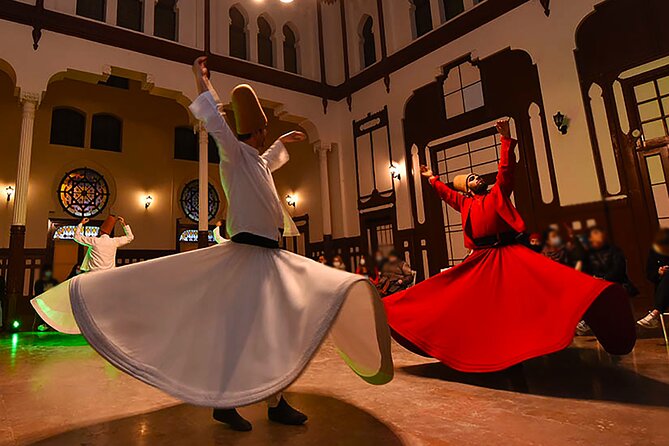
- The whirling dervishes ritual itself: what you’ll actually see
- The Rumi and Sufi context: the “why” that turns spinning into meaning
- The venue experience: small room, close seats, real ambience
- Timing: the part you can control, and the part you can’t
- Skip-the-line: worth it in a small house
- Coffee, tea, and the human side of the staff
- Is it authentic? What authenticity means for this show
- Who should book this, and who might skip
- The bottom line: should you book?
- FAQ
- How long is the whirling dervish ceremony?
- What is included in the ticket price?
- Is the experience in English?
- Do I get a mobile ticket?
- Is skip-the-line access included?
- Where is the venue, and is it easy to reach?
- How far in advance should I book?
- What is the cancellation policy?
Key details at a glance
- Skip-the-line entry helps you get in and find your spot faster
- Coffee and tea included during the experience, though you should still be ready to ask if it’s missed
- English-friendly with an info booklet on sufis, dervishes, and Rumi
- Live music sets the mood for the Mevlevi ritual
- A small, old-house setting means up-close views, but also limited space and sound control
- Plan for timing wiggle by arriving early and staying flexible
Where this ceremony happens, and why that matters
This is the kind of performance where the setting does half the work. You’re not watching from behind a big stage. You’re in a traditional house salon near Hagia Sophia, in the older part of Istanbul. That matters because whirling is not just a dance. It’s presented as a spiritual ritual, with the room itself helping you feel the atmosphere.
The venue is described as very small and intimate. That’s part of the charm. It’s also the reason you’ll want to show up early and take your seat fast. In a smaller room, crowding can block views, and delays can feel longer.
If you’re the type who likes your Istanbul experiences authentic and close to the source, this fits. If you’re chasing big, polished show production, you might find the intimacy works against you.
A spinning meditation, centuries old and still sacred
- Istanbul: Hodjapasha Whirling Dervishes Show & Exhibition
★ 4.4 · 4,790 reviews - Istanbul: Whirling Dervishes Ceremony and Mevlevi Sema
★ 4.3 · 1,694 reviews - Istanbul: Whirling Dervish Ceremony next to Hagia Sophia
★ 4.5 · 906 reviews
Price and value: what about $22.88 buys you
At about $22.88 per person, the price feels reasonable for a live, culturally focused evening program, especially because it includes a few concrete extras. You get coffee and tea, you get an admission ticket, and you get skip-the-line access. For many people, the drink inclusion sounds small, but it helps you settle in and stay comfortable before the dervishes begin.
You also get a printed booklet that explains sufis, dervishes, and Rumi. That’s a meaningful value add. Without context, the whirling can look like long spinning plus music. With context, the same movements can feel intentional and symbolic, not just impressive.
One more practical point: the ceremony is about one hour, so it doesn’t eat your whole evening. That makes it easier to fit into a day that already includes Hagia Sophia, Sultanahmet streets, or other old-town stops.
How the experience runs: from entry to the first notes
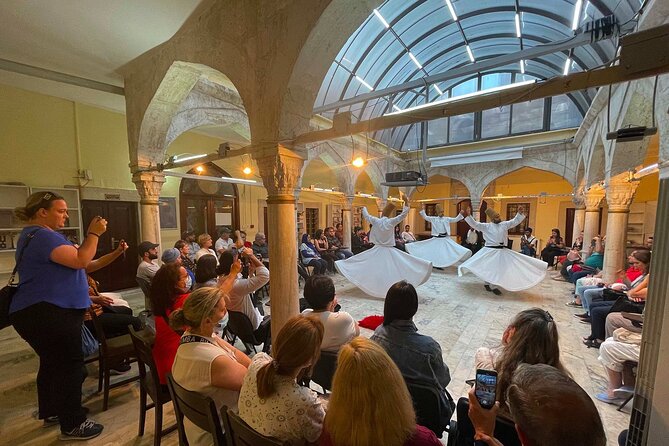
Expect a straightforward flow. You enter, get seated, and the ceremony gets underway with music. Many people say the experience starts with live music, and that the performance is paced like a real ritual rather than a fast tourist show.
Before the whirling begins, there’s typically some kind of explanation or introduction. A common pattern is a presenter giving background on the dance and the Mevlevi tradition, then the music leads into the whirling. When that introduction is clear, the spinning feels less mysterious and more purposeful.
During the performance, you might notice things like wall imagery or visual elements used for mood and focus. Some visitors say visuals are cool, while others say the visuals were not fully explained. If you care about symbolism, I’d treat the booklet and any spoken intro as your best guide.
The whirling dervishes ritual itself: what you’ll actually see
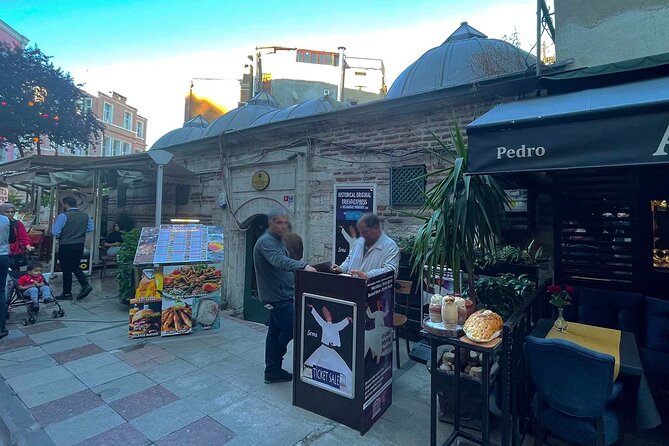
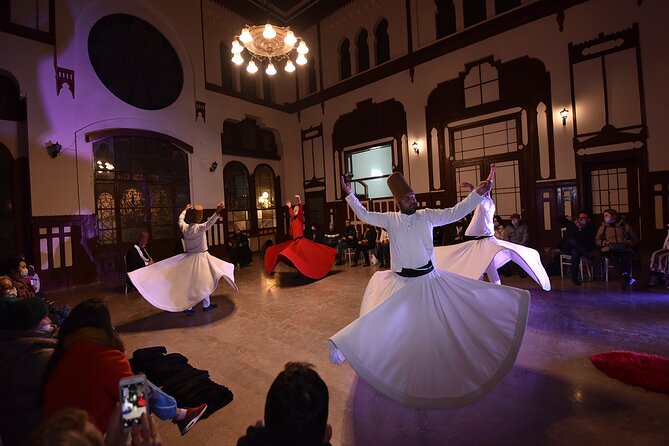
The heart of the program is the whirling dervishes segment. You’ll watch a small group of dervishes perform the ritual in a very close setting. Depending on the night, the number of performers may vary, and some people reported seeing fewer dancers than they expected based on pictures.
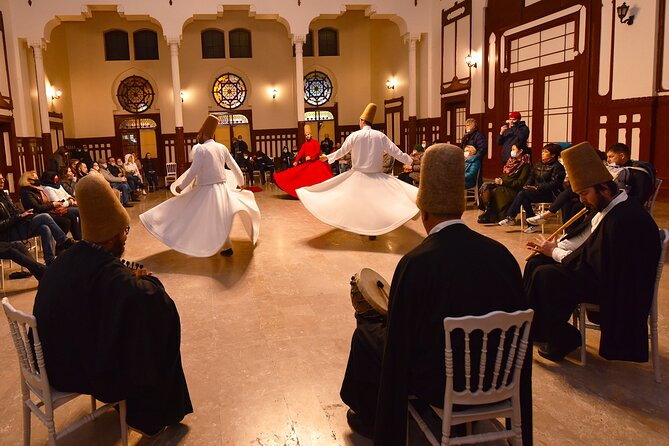
What stays consistent is the impression of controlled trance-like movement driven by music. The ceremony is tied to the Mevlevi Order, the tradition of followers associated with Rumi. You may hear or learn that the hands have symbolic meanings: one hand lifted and one hand lowered. People describe this as reaching toward the divine while also acknowledging the earth.
How long the whirling feels can be a make-or-break factor. Some visitors love the extended repetition because it feels meditative. Others feel it becomes repetitive. The good news is that the whole event is roughly one hour, so the experience stays contained.
Music is a major part of the effect. Multiple people highlight the live music as a key reason the show becomes atmospheric. If you enjoy traditional instruments and steady rhythms, you’ll likely feel the ritual more.
The Rumi and Sufi context: the “why” that turns spinning into meaning
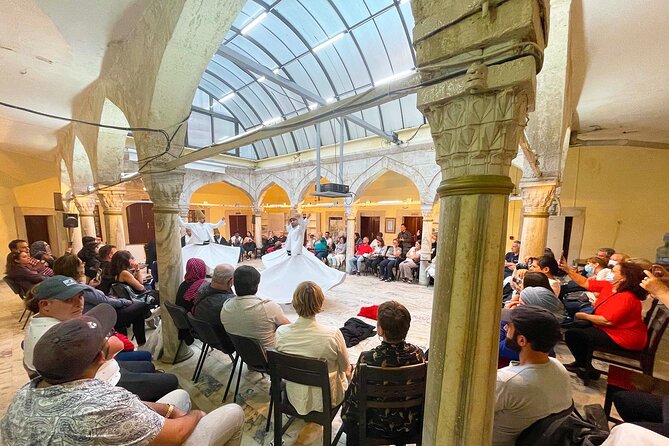
One of the top praised parts is the amount of context given at the start. When the introduction is done well, you’re not just watching movement. You’re learning what the Mevlevi order represents and why people describe this as spiritual practice.
You also receive an info booklet covering sufis, dervishes, and Rumi. That helps if you want to remember more after the show. It’s especially valuable for first-timers who don’t know the basic vocabulary around Sufi practice.
That said, a few people felt the visuals or certain parts were not explained clearly. So here’s my practical take: arrive ready to listen. If you zone out during the intro, you might miss the thread that makes the performance click.
More of Istanbul beyond the obvious sights
- Istanbul: Hagia Sophia Skip-the-Line Ticket & Museum Option
- Topkapi Palace and Harem Skip-the-Line-Tickets & Audio Guide
- Istanbul: Blue Mosque & Hagia Sophia Guided Tour w/ Tickets
- Istanbul: Hagia Sophia Entry Ticket with Audio Guide
- Istanbul: Topkapi Palace and Harem Ticket with Audio Guide
- Istanbul: Basilica Cistern Skip-the-Line Entry Ticket
The venue experience: small room, close seats, real ambience
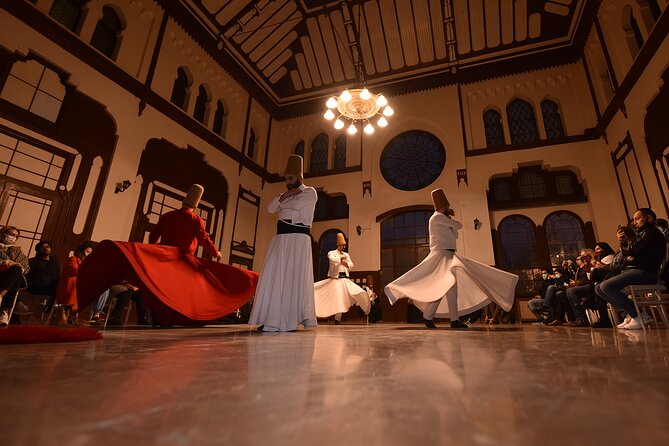
This is where the reviews split into two camps: those who love the intimacy, and those who wish for more comfort. The venue is often described as atmospheric and beautiful, including a salon in an old house. Several people mention the setting as a major part of the experience, including the charm of an older space.
It’s also repeatedly described as small. That can mean:
- tight seating layouts
- limited airiness
- more chance of heads blocking your view from certain seats
- a more chaotic feel if people are late arriving
Some visitors say the venue is air-conditioned and comfortable. Others complain about crowding or limited comfort. So, if you’re sensitive to tight spaces, I’d plan your expectations accordingly.
Also, on certain nights you may notice small quirks that break the mood, like modern items on shelves. That’s not the ritual itself, but it can pull your attention away from the spiritual atmosphere if you’re focused on being fully in the moment.
Timing: the part you can control, and the part you can’t
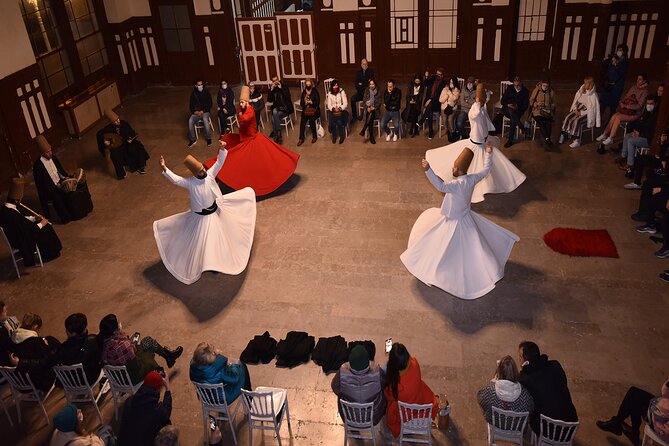
The program is about one hour, but the start time can be less predictable than the duration. One review notes a wait of about 40 minutes for the show to start. That kind of delay doesn’t ruin the experience for everyone, but it can make the experience feel awkward if you’re not expecting a lag.
So here’s what I’d do if you’re booking:
- arrive early, not “right on time”
- bring patience
- if you get offered tea and coffee, enjoy it as a buffer while you wait
If your evening is tightly scheduled, keep a little slack. Whirling dervish events are cultural performances, not a metered bus schedule.
Skip-the-line: worth it in a small house
Skip-the-line access is a real plus here because the venue is small. When entry moves faster, you spend more time seated and less time standing around. It also reduces your risk of arriving and realizing the best sightlines are gone.
Still, even with faster entry, you’ll want to choose your seat wisely. Some people say earlier seats are much better. In small rooms, “good seat” can mean “see the dancers clearly” or “spend the whole show watching around someone’s head.” If you’re bringing a camera, plan for heads in the foreground.
Coffee, tea, and the human side of the staff
Coffee and tea being included is one of the most liked parts. People also describe the staff as friendly and helpful. That human tone matters because the room can get busy, and you might have questions about where to go or when to sit.
A small number of people report missing the tea and coffee they were expecting. When that happens, it’s a simple fix: ask. This is one of those moments where being polite but direct works best. You’re trying to enjoy the ritual, not win an argument in an old house.
Is it authentic? What authenticity means for this show
Many people describe the ceremony as the real thing, not a watered-down tourist version. You’ll probably feel that in two ways: the ritual pacing and the intimate setting. It can also feel less commercial than other whirling shows, especially because you’re not in a huge entertainment hall.
That doesn’t mean it’s perfect. Some people felt it was not explained fully, or that visuals weren’t matched with enough interpretation. Also, the number and look of performers may differ from what you’ve seen in photos.
Still, authenticity here comes from the structure: music, context, and the ceremony itself in a setting that feels historical and intentionally designed for the ritual.
Who should book this, and who might skip
This ceremony is a strong choice if you want:
- a one-hour cultural experience that’s easy to fit into a day
- live music tied to a tradition, not just generic background sound
- Sufi and Rumi context through spoken intro and a booklet
- an up-close setting that makes the ritual feel immediate
You might think twice if:
- you get stressed in small, crowded rooms
- you hate waiting around without clear updates
- you need a highly scripted, fully explained performance with detailed narration throughout
It’s also a good family-friendly option for many people, especially because the venue feels intimate rather than theatrical-in-the-big-sense.
The bottom line: should you book?
I’d book this if you’re visiting Istanbul and want something genuinely cultural, close-up, and timed well. The value is helped by skip-the-line entry, coffee and tea, and the fact that you get an actual booklet on sufis, dervishes, and Rumi.
I would not book it if you’re very seat-sensitive, very impatient, or expecting a large, modern theater experience with zero delays. But if you can handle a small venue and you arrive early, it can be a memorable way to spend an hour in the old city.
If you do book, do one thing: arrive early and listen during the intro. That’s what turns whirling from impressive movement into understanding.
FAQ
How long is the whirling dervish ceremony?
The experience is approximately 1 hour.
What is included in the ticket price?
The ticket includes admission to the ceremony, plus coffee and tea, and an information booklet about sufis, dervishes, and Rumi.
Is the experience in English?
Yes, the experience is offered in English.
Do I get a mobile ticket?
Yes, the ticket is a mobile ticket.
Is skip-the-line access included?
Yes, skip-the-line access is included for faster entry.
Where is the venue, and is it easy to reach?
The venue is near public transportation.
How far in advance should I book?
On average, it is booked 14 days in advance.
What is the cancellation policy?
Free cancellation is available. You can cancel up to 24 hours in advance for a full refund. If you cancel less than 24 hours before the start time, the amount you paid is not refunded.
Newest tours in Istanbul




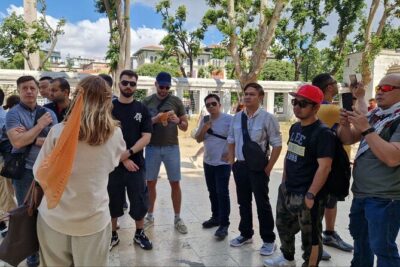
Whirling Dervish Ceremonies, compared.
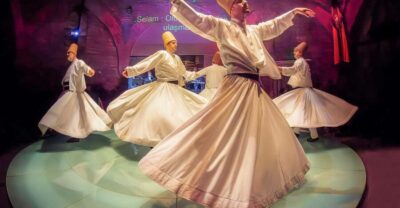
Hodjapasha Whirling Dervishes Show & Exhibition
Read our review →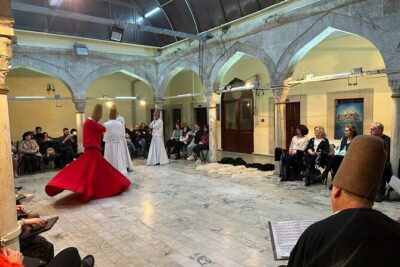
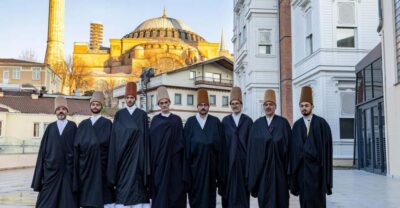
Istanbul Hodjapasha Whirling Dervishes Show & Exhibition
Read our review →
Istanbul Traditional Turkish Dinner and Dervish Experience
Read our review →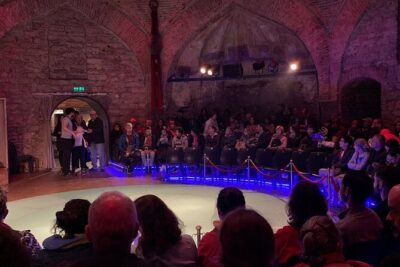
Whirling Dervish Ceremony: Go on a Spiritual Journey
Read our review →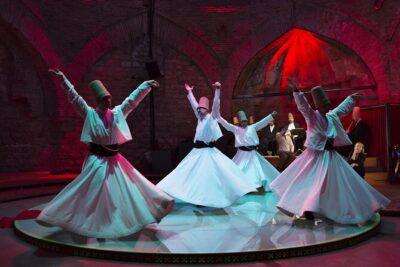
Istanbul Whirling Dervish Ceremony, A Mystical Sufi Experience
Read our review →Browse the lists this tour appears in