
Reviewed · HAGIA SOPHIA TICKETS
Istanbul: Whirling Dervish Ceremony next to Hagia Sophia
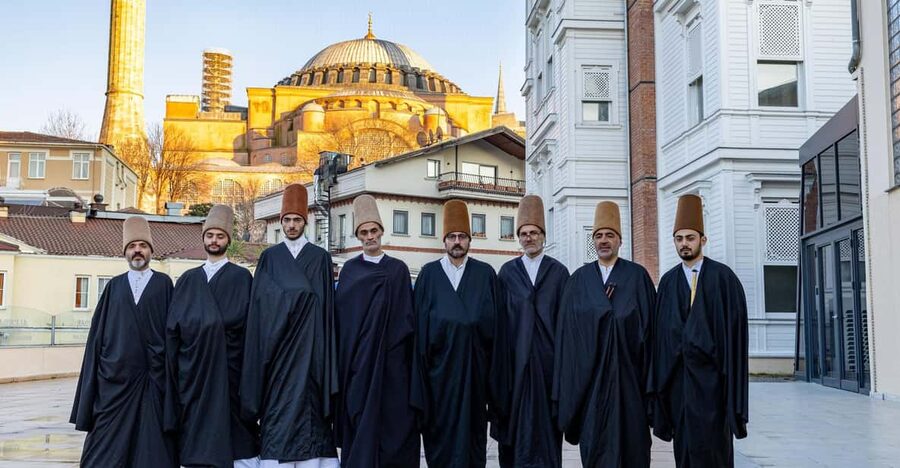
One hour of silence, music, and spinning. This whirling dervish ceremony (Sema) is staged right by Hagia Sophia, paired with live Turkish music, and explained by a professional so you know what you are watching. The one watch-out: the sound and some spoken explanations can be hit or miss early on, so it helps to arrive focused and settle in quickly.
I also like that it is built like a real ritual, not a loud tourist show. You spend about 55 minutes in a traditional wooden-house setting, with a smart audio guide available in 7 languages and a simple drink break afterward. If you hate any form of quiet (the event is meant to be respectful), this may feel slow.
In This Review
- Key things that make this ceremony worth your time
- Why the Sema next to Hagia Sophia feels different
- Finding the white wooden house near Basilica Cistern
- What happens before the whirling: your guided setup
- Live Turkish music: the part you should not rush
- The whirling dervish ceremony itself: pace, focus, and meaning
- The hall experience: seating, sound, and small distractions
- The tea or sherbet moment: a small but smart finish
- Value check: is $17 a good deal in Istanbul?
- Who this is best for, and who should reconsider
- Should you book this Whirling Dervish ceremony next to Hagia Sophia?
- FAQ
- Where is the meeting point for the ceremony?
- What time does the gate open?
- How long is the experience?
- How much does it cost?
- What languages are available on the smart audio guide?
- What drinks are included?
- Is the ceremony wheelchair accessible?
- Can I make noise during the ceremony?
- Is it suitable for young children?
- Is there free cancellation?
Key things that make this ceremony worth your time
- Sema next to Hagia Sophia: a famous landmark backdrop, without turning the ritual into a theme park.
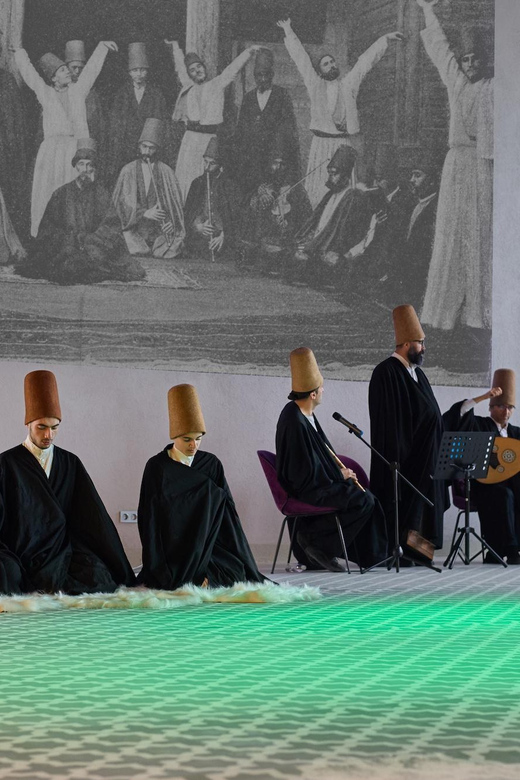
- Live Turkish music in the same space: strings, drums, and flutes start the mood before the spinning begins.
- UNESCO Intangible Cultural Heritage: the ceremony is presented with cultural context, not just spectacle.
- Smart audio guide (7 languages): ESP, FR, ENG, DE, ITA, RUS, ARB for meaning and timing.
- Tea or sherbet included: a small, local touch that lands well after the performance.
- A short, structured experience: you get guided setup, the ceremony, then a chance to ask questions.
Why the Sema next to Hagia Sophia feels different
Istanbul’s historic sights can be overwhelming fast. So I love that this experience gives you a calmer “other Istanbul,” the spiritual and artistic side, in a compact time window.
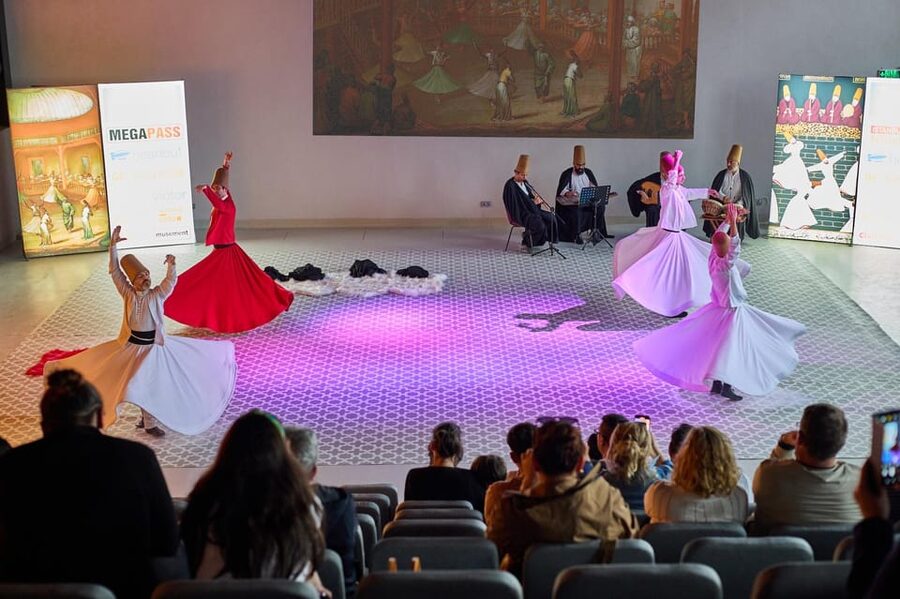
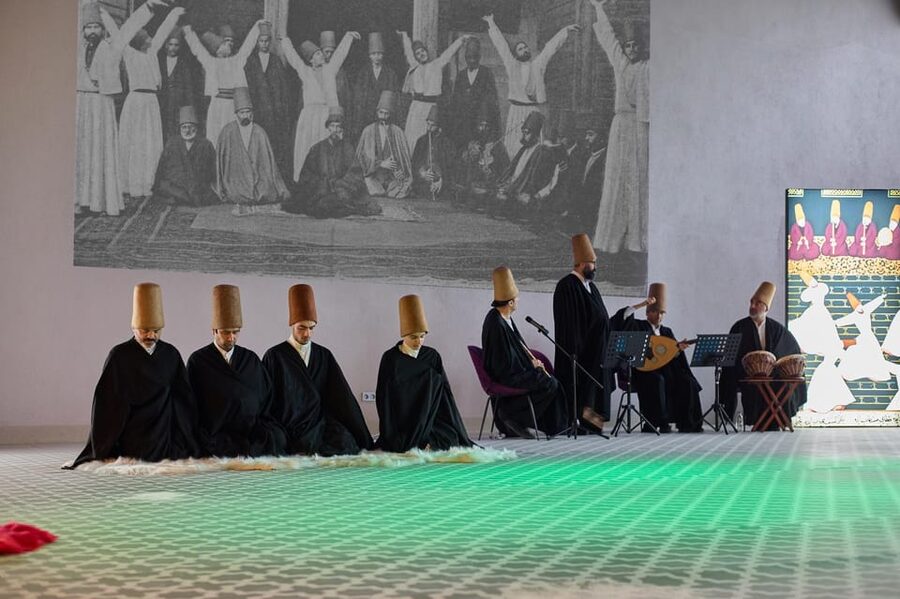
The big draw here is the Sema itself, the whirling dervish prayer ceremony listed as an UNESCO Intangible Cultural Heritage. Instead of treating it like a stage act, the flow is paced like a ritual: music first, then the dervishes enter in serenity, and only later does the motion build with the rhythm. You are not just watching movement, you are watching a tradition unfold in time.
The live music is the secret ingredient. The ceremony starts with instrumental pieces performed with traditional instruments like strings, drums, and flutes. If you pay attention, you can feel the shift from “listening” to “settling,” which makes the spinning land more meaningfully.
A spinning meditation, centuries old and still sacred
- Istanbul: Hodjapasha Whirling Dervishes Show & Exhibition
★ 4.4 · 4,790 reviews - Istanbul: Whirling Dervishes Ceremony and Mevlevi Sema
★ 4.3 · 1,694 reviews - Istanbul Hodjapasha Whirling Dervishes Show & Exhibition
★ 4.0 · 503 reviews
Finding the white wooden house near Basilica Cistern
This is one of those Istanbul experiences where location matters, because your day is already packed. The meeting point is next to the entrance of the Basilica Cistern. From there, you look for the reception desk at the gate of the giant white wooden house.
The gate opens 30 minutes before the ceremony starts. I recommend arriving a bit early, not because you will be entertained while you wait, but because you will get your bearings fast and avoid scrambling once things begin. Also, use the restroom before or after, since the event calls for silence and you will not want to miss the beginning.
Plan to walk in with a quiet mindset. The rules are clear: making noise is not allowed. That matters because this is not designed for phone calls, loud commentary, or casual heckling of the spiritual universe.
What happens before the whirling: your guided setup
The ceremony itself is about an hour, but the part right before it is what makes it click. A licensed professional host explains what you’re about to see before and after, and that context can turn the spinning from interesting to moving.
I like how the presentation sets expectations for the structure. You learn that the musical pieces performed here date roughly from the 1400s into the early 1800s, so you are not just hearing “traditional music,” you are hearing music from a long historical line.
Then you get a chance to connect names and symbols to what you see. Even if you do not catch every detail in the spoken talk, the overall purpose gets communicated clearly: Sufi practice, prayer, and the symbolism inside the ceremony’s movements.
One practical tip: the audio guide is included, and it is loaded in 7 languages (ESP, FR, ENG, DE, ITA, RUS, ARB). If you want to follow along with less stress, bring your headphones fully ready and treat the audio guide like a program.
Live Turkish music: the part you should not rush
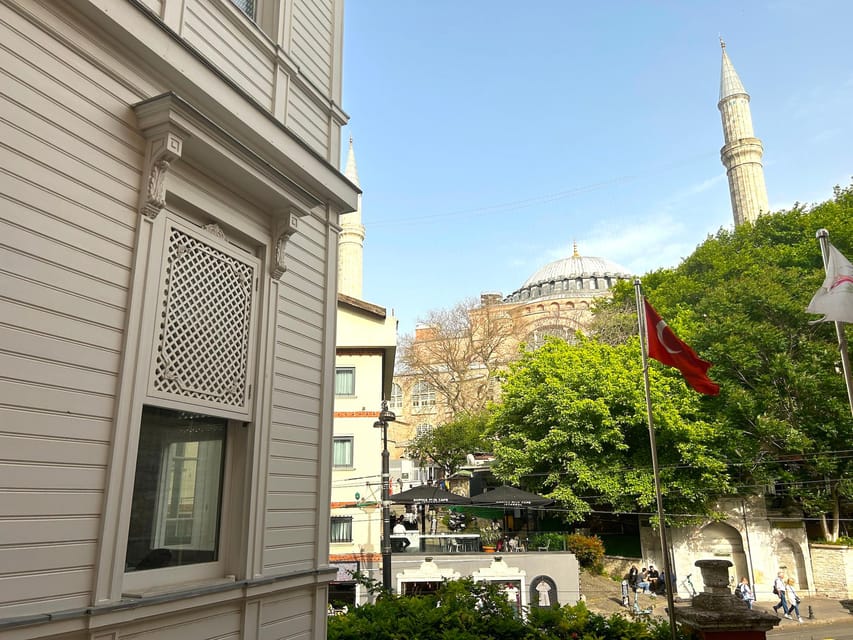
If you have ever sat through a “performance” where the music feels background noise, skip that mindset here. The ceremony begins with instrumental music, and it is built to help your body match the rhythm before you watch anyone spin.
Strings, drums, and flutes are not there to decorate the experience. They create a sonic map. Early on, the sound stage can feel different than what you expect from a concert hall, and a couple of people noted that the spoken explanations at the beginning were easier to miss than they expected. That is a good reason to arrive early and settle into your seat before the music really takes over.
Also, keep your phone away during the ceremony. Even when photography and video are not the focus, your attention is the main currency. If your screen is glowing, you will feel it immediately. One reviewer advice was basically, do not use your phone, and I agree with that logic for a ritual that depends on silence and timing.
The whirling dervish ceremony itself: pace, focus, and meaning
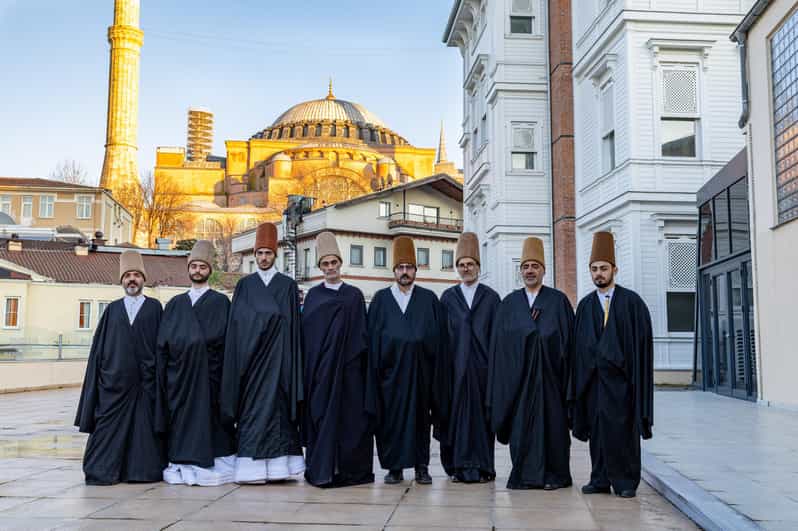
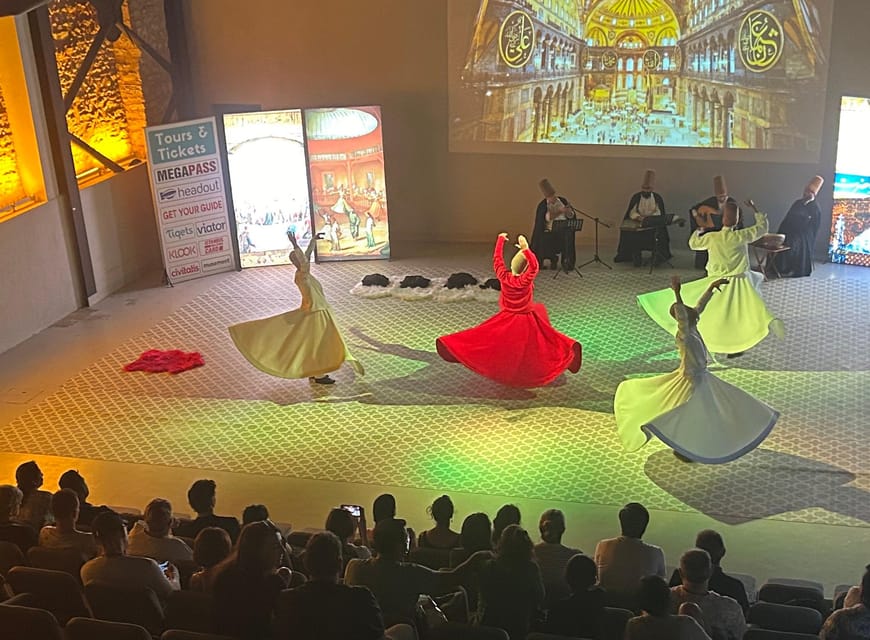
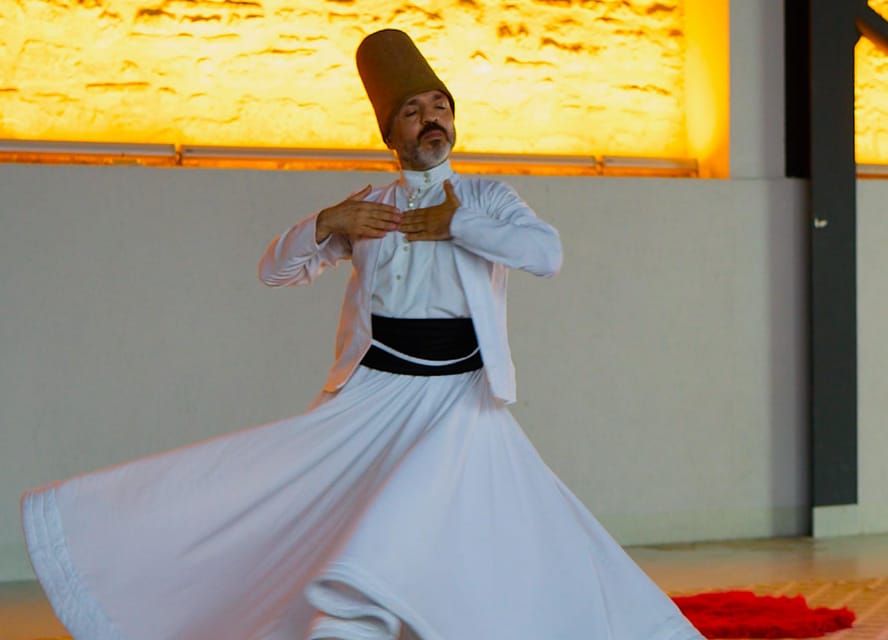
This is the core: the prayers start, and the dervishes arrive in serenity. Then, in accordance with the rhythm, you see their motions accelerate. That change is not random. It is meant to demonstrate harmony, where the ritual’s physical rhythm mirrors a spiritual idea.
You will probably notice how the ceremony is not frantic. It is slow and intentional. That can be a big plus if you like moments of reflection. It can be a mismatch if you are looking for big dramatic beats and loud crowd energy.
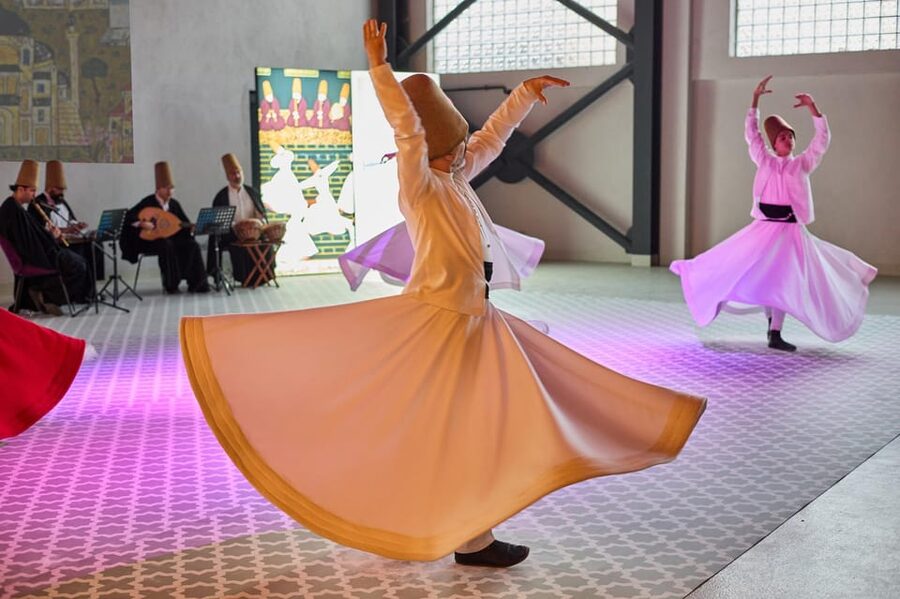
What makes the Sema more than just spinning is the symbolism. You will see gestures that matter, like one hand raised toward the heavens and the other toward the earth. The point is often described as receiving divine blessing and sharing it with the world. Even if you never memorize the explanations, your brain picks up the pattern when you understand that every movement has a role.
Another useful framing: treat this as a religious practice, not a cultural “soundbite.” Some people report it feels meditative, almost hypnotic, because the ceremony builds gradually. If you sit ready to be quiet, you will likely find it easier to stay present.
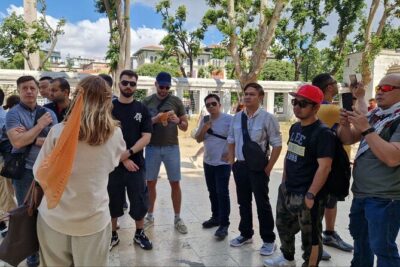
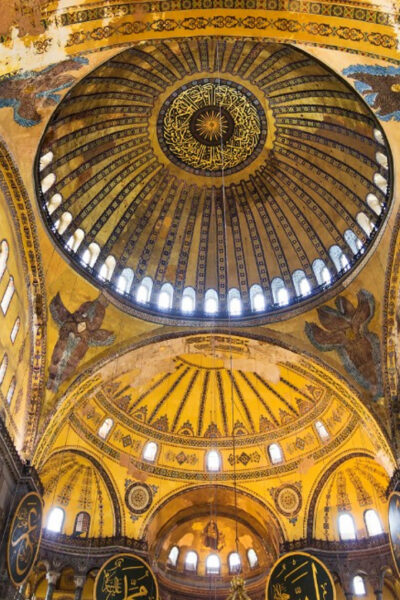
Byzantine church, Ottoman mosque, both at once
- Istanbul: Hagia Sophia Skip-the-Line Ticket & Museum Option
- Istanbul: Blue Mosque & Hagia Sophia Guided Tour w/ Tickets
- Basilica Cistern & Hagia Sophia with Optional Topkapi Palace
- Istanbul: Hagia Sophia Entry Ticket with Audio Guide
- Istanbul: Blue Mosque, Hagia Sophia, & Old Town Walking Tour
- Istanbul: Basilica, Hagia Sophia, Blue Mosque Tour & Cruise
The hall experience: seating, sound, and small distractions
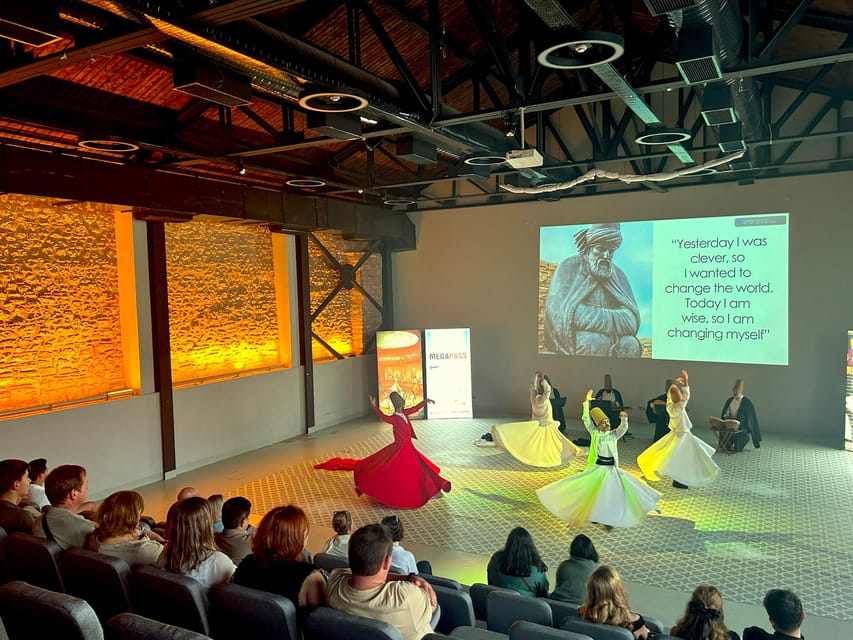
The setting is a traditional wooden-house venue, and that helps. Many reviews mention the space feels more like a genuine ceremony location than a modern theater. That matters because it makes the ritual feel socially grounded, not staged in a generic concert hall.
That said, this is still a room full of humans with cameras and expectations. A few practical notes based on what people reported:
- Sound can be uneven at first, especially for spoken parts right before things start.
- Some lighting and visual elements can reflect and make photography less flattering.
- One person found a background video look out of place, which could distract if you are sensitive to that kind of thing.
None of these kill the experience. But they do affect how easily you sink into the ritual. If you are the type who gets pulled out by distractions, come in prepared to keep your eyes on the ceremony and ignore extra visuals.
The tea or sherbet moment: a small but smart finish
One of the nicest parts is how ordinary it feels at the end: you get a local drink of the day, with a choice of tea or sherbet, plus water. After a ritual that asks for silence, that little break helps you transition back to regular life without being rushed.
I love that it is included. You do not have to hunt for a café snack right after. You sit, you sip, you decompress, and you can actually remember what you just watched instead of immediately turning into a walking hunger emergency.
Value check: is $17 a good deal in Istanbul?
In Istanbul, $17 can either be a bargain or a “you get what you pay for” situation. Here, I think the value is strong for three reasons.
First, you are not only buying an event ticket. You are buying cultural framing, a guided experience with a professional host, and a smart audio guide in multiple languages. That reduces the mental work of figuring out meaning on your own mid-ceremony.
Second, you get live music and the UNESCO Intangible Cultural Heritage framing. Even if you are skeptical about spiritual performances, the structure is real, and the pacing is designed for listening, not consumption.
Third, ticket money supports an arts education mission. People mention it is connected to an NGO and even scholarships for students. That does not make the spinning automatically better, but it does give you a warmer feeling about where your money goes.
The only real “price consideration” is that the ceremony is not a high-energy show. If you want loud entertainment, you might feel $17 is wasted. If you want a calm, cultural, locally rooted experience, this is one of the easier “yes” buys.
Who this is best for, and who should reconsider
This works best if you:
- Want a short, meaningful cultural stop that does not require a long museum visit
- Appreciate live music and quiet spaces
- Like getting context before you watch something traditional
- Are open-minded about Sufi spirituality as a practice, not a novelty
It may be a rough fit if you:
- Need constant stimulation or easy laughs between segments
- Get impatient with slow pacing
- Dislike ceremonies that require silence and respect
If you like learning, a few people recommended doing light reading beforehand, like getting familiar with Rumi and Shams Tabrizi. You do not need a PhD. But knowing basic themes can make the symbolism easier to catch in the moment.
Should you book this Whirling Dervish ceremony next to Hagia Sophia?
Yes, if you want a genuine-feeling cultural moment that is close to the headline sights. The location near Hagia Sophia is a convenience, but the real value is that the Sema is presented with structure, explanation, and live music in a respectful setting.
I would book it especially if your Istanbul schedule is packed and you still want something human and spiritual, not just more landmarks. Just do yourself a favor: arrive early, keep your device down during the ceremony, and treat the silence as part of the experience.
FAQ
Where is the meeting point for the ceremony?
You meet your host next to the entrance of the Basilica Cistern. The reception desk is at the gate of the giant white wooden house.
What time does the gate open?
The gate opens 30 minutes before the ceremony starts.
How long is the experience?
The duration is about 55 minutes.
How much does it cost?
The price is $17 per person.
What languages are available on the smart audio guide?
The smart audio guide is available in ENG, DE, FR, ITA, RUS, ESP, and ARB.
What drinks are included?
You get a local traditional drink of the day, choosing from tea or sherbet, plus water.
Is the ceremony wheelchair accessible?
Yes, the experience is wheelchair accessible.
Can I make noise during the ceremony?
No. Making noise is not allowed.
Is it suitable for young children?
It is not suitable for children under 2 years.
Is there free cancellation?
Yes. You can cancel up to 24 hours in advance for a full refund.
Newest tours in Istanbul

Hagia Sophia Tickets, compared.
Hagia Sophia Skip-the-Line Ticket & Museum Option
Read our review →
Blue Mosque & Hagia Sophia Guided Tour w/ Tickets
Read our review →
Basilica Cistern & Hagia Sophia with Optional Topkapi Palace
Read our review →Blue Mosque, Hagia Sophia, & Old Town Walking Tour
Read our review →
Basilica, Hagia Sophia, Blue Mosque Tour & Cruise
Read our review →
Combo: Hagia Sophia+Basilica Cistern Optional Topkapi Palace
Read our review →
Hagia Sophia Skip-the-Line Ticket & Blue Mosque Audio Guide
Read our review →Browse the lists this tour appears in