
Reviewed · WHIRLING DERVISH CEREMONIES
Whirling Dervish Ceremony: Go on a Spiritual Journey
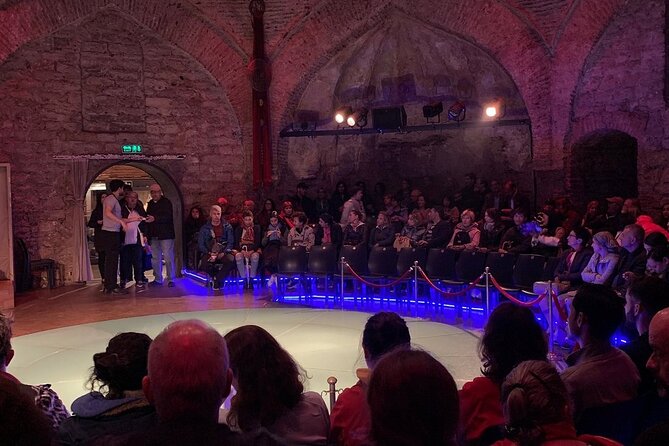
A spiritual ceremony in Istanbul, with orchestra and ritual. This Whirling Dervish Sema takes place in the Hodjapasha Dance Theater, a 15th-century building repurposed from a hammam, and the whole experience is designed for focus, not entertainment. You’ll start with traditional music, then settle in for the Mevleviye sema, a UNESCO-listed ritual you experience through sound, motion, and symbolism.
What I like most is the pairing of sacred dance with a live orchestra that sets the mood hour after hour. I also love that the venue enforces a no-photo rule, which keeps your attention where it belongs: on what the semazens are doing and why.
The main thing to consider is pacing. This is a ceremony, not a high-energy dance show. If you want constant variety or big crowd moments, the structured, repetitive whirling over the 45-minute performance may feel slow.
In This Review
- Key points before you go
- A Sema ceremony in a converted hammam, not a pop show
- Getting to Hodjapasha in Sirkeci at 7:00 pm
- Inside the Hodjapasha theater: seating, rules, and atmosphere
- The 1-hour itinerary: how the Sema ceremony unfolds
- What the whirling means when you’re not a scholar
- Live orchestra energy, and why the sound matters
- Price check: is $120.14 worth it for a one-hour Sema?
- Drinks, snacks, and comfort in the main hall
- Who should book this Whirling Dervish Ceremony (and who should skip)
- Quick tips to make the no-photo rule feel like a gift
- Should you book the Whirling Dervish Ceremony at Hodjapasha?
- FAQ
- Where does the Whirling Dervish Ceremony take place?
- What time does the ceremony start?
- How long is the tour?
- What is included in the ticket price?
- Is hotel pickup or drop-off included?
- Are photos and videos allowed during the ceremony?
- What is the minimum age to attend?
- Can I cancel and get a full refund?
Key points before you go
- No photos or videos means you truly watch instead of recording.
- Live traditional music kicks things off, then supports the full sema ritual.
- Historic venue: Hodjapasha sits in a converted Turkish bath building in Sirkeci.
- 1-hour total with about 15 minutes of music plus 45 minutes of whirling.
- Quiet expectations: the ceremony is meant to be observed respectfully, with no audience participation.
- Drinks and snacks are available to buy, though what’s on hand can vary.
A Sema ceremony in a converted hammam, not a pop show
The best way to understand this evening is to picture it as a slow ritual with a clear rhythm. You are not there to heckle the performers, clap on cue, or treat it like a theater production with punchy intermissions. The sema is built to be watched like a moving prayer, with music guiding the pace.
The venue helps. Hodjapasha’s atmosphere comes from its historic shell, not from stage effects. You get that sense of stepping into old Istanbul, even though you are sitting in a modernized performance space. That matters because it changes your mindset. You arrive expecting ceremony, and the setting reinforces the idea that this is more than a tourist attraction.
Also, the dance is not random spinning. The Mevleviye sema has a long symbolic history, and the program is designed around that structure. Even if you come in with only basic knowledge, the flow makes it easier to follow what you are seeing and how the ritual builds.
A spinning meditation, centuries old and still sacred
- Istanbul: Hodjapasha Whirling Dervishes Show & Exhibition
★ 4.4 · 4,790 reviews - Istanbul: Whirling Dervishes Ceremony and Mevlevi Sema
★ 4.3 · 1,694 reviews - Istanbul: Whirling Dervish Ceremony next to Hagia Sophia
★ 4.5 · 906 reviews
Getting to Hodjapasha in Sirkeci at 7:00 pm
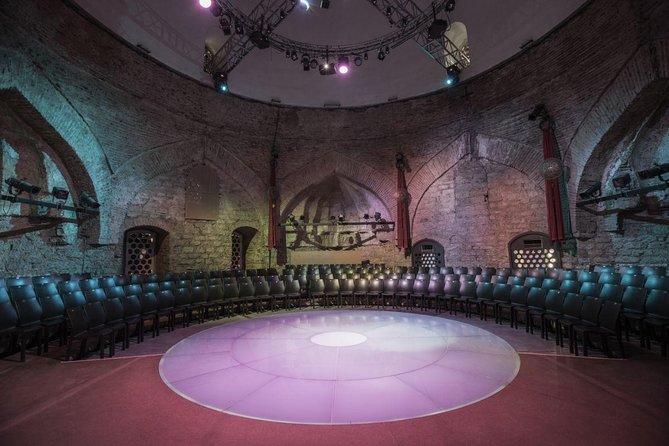
You’ll want to give yourself time to find the theater area. Hodjapasha is in the Sirkeci neighborhood, and the show starts at 7:00 pm. Sirkeci is central, and the venue is described as near public transportation, which is good news if you rely on trams, buses, or short walks.
Here’s the practical tip: arrive early enough to get oriented. Some visitors have gotten turned around because there are multiple whirling dervish venues in Istanbul. The best defense is simple, use the exact venue name shown with your ticket details, and build in buffer time so you are not rushing right when the opening music begins.
Once inside, you’ll get the feeling that the staff is guiding you through a strict and respectful flow. That helps a lot if you’re not sure what to expect from a Sufi ceremony. You’ll settle, then the program begins without the usual chaos of groups trying to find seats five minutes before the start.
Inside the Hodjapasha theater: seating, rules, and atmosphere
This is one of those shows where the rules are part of the experience. Photography is not allowed, and you should plan to enjoy the ceremony with your eyes and ears, not through your phone. That restriction is not a minor detail. It changes how you pay attention, and it helps keep the hall quiet so the music and prayers can land.
Seating is handled by the venue. There’s assigned seating, and that can be a plus if you want less fuss. One thing to remember is that you are sitting through the full arc of the ritual. If you are sensitive to long periods in one posture, bring patience, and consider what you’ll do with your legs and neck before you sit down.
The venue also has a bar area and sells drinks and snacks. The information you receive says you can buy items at your own expense before and/or during the show. However, I’d still go in with flexible expectations. Some visitors have reported that what’s available may be limited, so plan as if you’ll at least have water and small refreshments, not a full cocktail experience.
The 1-hour itinerary: how the Sema ceremony unfolds
The program is straightforward, and it follows a deliberate rhythm. The total duration is about 1 hour, with a clear structure designed to carry you from music into whirling.
First, you’ll get about 15 minutes of traditional Turkish music. This is where the evening sets its tone. It’s not just background. The music prepares you for the ceremony by establishing the soundscape, including the kind of instruments the venue uses throughout the ritual.
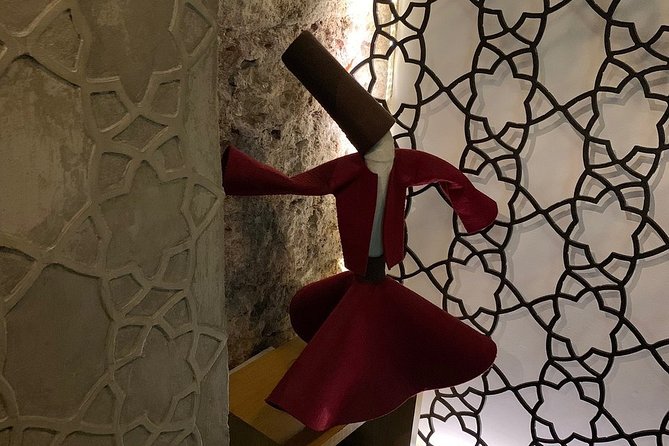
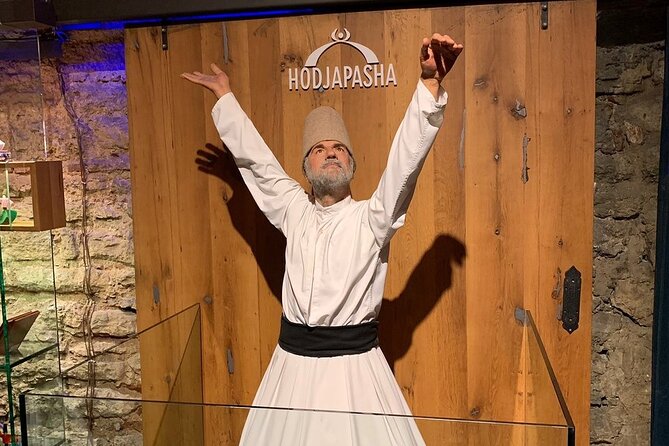
Then comes the main event: the semazen (whirling dervishes) performance. The whirling segment runs for roughly 45 minutes. This is the Mevleviye sema dance, a ritualistic ceremony with choreographed motion. Watching it for the first time can feel hypnotic. A lot of the magic is in the repetition, the steady tempo, and the way each performer’s movement relates to the music and to the circle-like symmetry of the ceremony.
During the performance, the orchestral accompaniment includes percussion such as the kettledrum, plus flute and cymbals. You may also hear ancient Persian prayers and poetic songs, which add another layer to the experience. The combination of instruments and vocal pieces gives the ritual more shape than the spinning alone.
Once the ceremony ends, you can linger at the venue. There’s time to stay relaxed, and you can buy a drink or snack if you want to extend the evening without rushing out immediately.
What the whirling means when you’re not a scholar
Here’s my blunt take: you don’t need to be a Sufi expert to understand what matters. The ceremony is meant as a spiritual journey, so the goal is observation, not analysis.
The most important mindset shift is this: the sema is not staged for entertainment in the modern sense. One visitor phrased it as a ceremony between the dervishes themselves, with the audience required to remain respectful and quiet. That matches the overall experience you should expect. You will not be asked to participate. You will not be prompted to clap or react like a typical show.
So how do you make it rewarding? Let the ritual do its job. Watch how the movement is guided and contained, and listen for the changes in music that signal different phases. If the venue projects information onto the walls, take advantage of that. One visitor noted that the theater uses projections to explain what you are about to see, which can help you stop guessing and start following.
Also, the no-photo rule nudges you toward the right kind of attention. The longer you sit there, the more you realize the phone camera would actually get in the way of understanding the tempo and the full motion.
And yes, it is UNESCO-listed. The significance of the dance is part of the reason the ceremony is performed carefully and respectfully, not just as a spectacle.
Add these before you book flights home:
- Istanbul: Bosphorus Dinner Cruise & Show with Private Table
- Istanbul: Daytime or Sunset Sightseeing Cruise & Audio Guide
- Istanbul: Bosphorus Dinner Cruise & Turkish Night Show
- Best of Istanbul 1, 2 or 3-Day Private Guided Istanbul Tour
- Istanbul: Basilica Cistern Fast-Track Entry and Audio Guide
- Istanbul: Hagia Sophia Skip-the-Line Ticket & Museum Option
Live orchestra energy, and why the sound matters
This is one of those experiences where the music is doing serious work. The live orchestra adds atmosphere in a way recorded audio never would. You feel the instruments physically, especially the percussion elements like the kettledrum, which help anchor the whirling.
The opening music matters too. Those first minutes help you settle into the same rhythm as the performers. When the sema begins, the sound gives the dance its structure. The flutes and cymbals help keep the ceremonial flow clear, even if you do not know every term or phrase being sung.
Another practical benefit: if the whirling looks repetitive at first, the music prevents the experience from going flat. People who enjoy the ceremony often mention the meditative energy. That energy is not just in the spinning. It is in the way the live musicians sustain the mood and guide the pace.
Price check: is $120.14 worth it for a one-hour Sema?
At $120.14 per person, this is not a budget night. The honest value question is: are you paying for a performance, or for a cultural and spiritual ritual with a historic setting and live orchestra?
You are getting:
- The Sema ceremony with semazens
- A Sufi music concert
- A historic converted hammam venue in Sirkeci
- A roughly 1-hour time commitment, starting at 7:00 pm
- A mobile ticket format
If you love spiritual traditions, live music, and cultural depth, that can feel like a fair trade. Several people rate it very highly specifically because it feels like an authentic ritual, not a gimmick. If your travel style is about meaning and atmosphere, you’ll probably feel the cost more as a ticket price for a once-in-a-while ceremony than as “just twirling.”
If you want variety every few minutes, or you expect a fast paced, entertainer-style show, the price might feel steep. Some visitors described the full hour as repetitive and even boring. That criticism matters, because the structure is consistent. The ceremony is meant to be steady.
One value tip if you are comparing options: some visitors noted that buying directly from the center may offer discounts on combination tickets for other regional dance shows. If you plan to see multiple performances in Istanbul, it’s worth checking pricing for bundle options rather than treating this as a standalone event.
Drinks, snacks, and comfort in the main hall
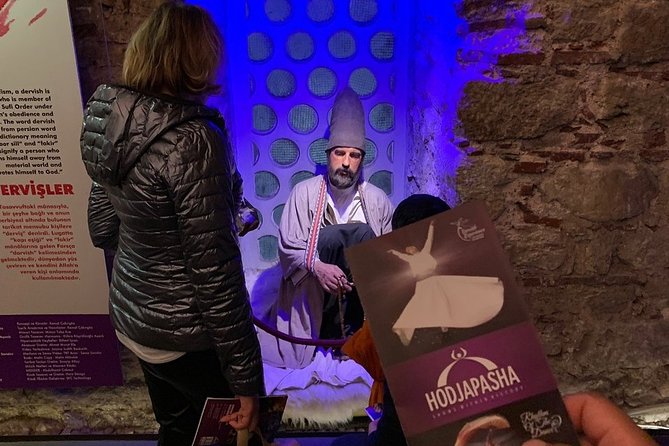
The venue offers drinks and snacks to purchase, and it’s a nice touch for a one-hour evening. Plan for own-expense items. That said, don’t assume a full bar experience. One visitor mentioned there was no bar and only water was available at the time of their visit. So if you care about having a specific beverage, keep your expectations practical.
Comfort is also part of the experience. The ceremony asks you to sit and watch quietly. If you’re prone to stiff neck or restless legs, you’ll want to settle in early. Assigned seating can help you avoid standing around or shifting during the performance.
Temperature is another small variable. One person suggested lowering the venue temperature would make it more comfortable. If you tend to get warm in theaters, bring a light layer so you do not cook while you wait for the music and the whirling to start.
Finally, remember there are no photos or videos allowed. That means your comfort has to come from the environment and the feeling of being present, not from saving “proof” on your camera roll.
Who should book this Whirling Dervish Ceremony (and who should skip)
Book it if you:
- Want a spiritual tradition experience tied to Sufi culture
- Enjoy live traditional music
- Prefer respectful, quiet cultural evenings over big audience interaction
- Like seeing how history lives on in performance
Skip it or consider another option if you:
- Need a high-energy show with constant new elements
- Get bored by steady repetition
- Are uncomfortable with rules like no photos and quiet viewing
- Are easily distracted and expecting a more interactive theater format
Also, the minimum age is 7 years, which makes it possible for families who want a calmer cultural evening. Just be aware that the ceremony’s respectful atmosphere may not suit very young kids who struggle with quiet attention.
If you’re on a short Istanbul trip and you only want one “special” evening, this can be a strong pick. But if you’re doing three or four shows in one week, check your calendar. This is the kind of event you appreciate when you give it your full attention.
Quick tips to make the no-photo rule feel like a gift
Here are the small choices that make a big difference in experiences like this.
- Arrive early so you can settle before the music starts. Once the 7:00 pm start hits, the hall moves into ceremony mode.
- Leave your phone away. With no photography, you will spend your attention somewhere else anyway. Save your energy for watching.
- Listen for changes in the music. The live instruments, especially percussion and flute, help you follow phases of the ritual.
- If the venue provides wall projections or a short overview, take a minute to read it. It can reduce confusion and make the 45-minute whirling feel more meaningful.
- Dress for sitting. You’re in a theater for about an hour, and comfort matters when you want to stay present.
Should you book the Whirling Dervish Ceremony at Hodjapasha?
If you are drawn to Sufi spirituality, live music, and an authentic cultural setting, I’d say yes. This is one of those Istanbul experiences where the restrictions make it better, not worse. The historic Hodjapasha theater, the live orchestra, and the structured sema ritual combine into a night that can feel calm, moving, and memorable.
But be honest with yourself about expectations. This is not a fast paced spectacle. If you want non stop entertainment and you get restless with slow, repetitive movement, the price may feel tough.
My practical recommendation: book it if you want meaning over momentum. You’ll enjoy the ceremony most when you treat it like a ritual you watch closely, not a show you speed-run.
FAQ
Where does the Whirling Dervish Ceremony take place?
It takes place at the Hodjapasha Dance Theater in the Sirkeci neighborhood of Istanbul.
What time does the ceremony start?
The start time is 7:00 pm.
How long is the tour?
The show lasts about 1 hour.
What is included in the ticket price?
Your ticket includes the Whirling Dervishes Ceremony (Sema) and the Sufi music concert.
Is hotel pickup or drop-off included?
No, hotel pickup and drop-off are not included.
Are photos and videos allowed during the ceremony?
No, photography is not allowed.
What is the minimum age to attend?
The minimum age is 7 years.
Can I cancel and get a full refund?
Yes. You can cancel up to 24 hours in advance for a full refund.
Newest tours in Istanbul


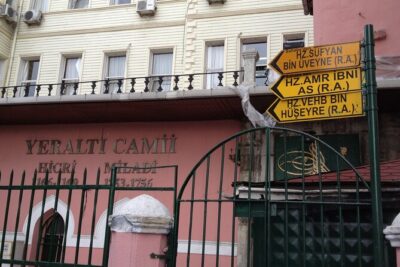

Whirling Dervish Ceremonies, compared.
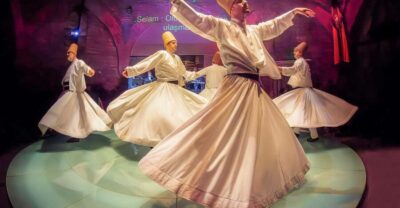
Hodjapasha Whirling Dervishes Show & Exhibition
Read our review →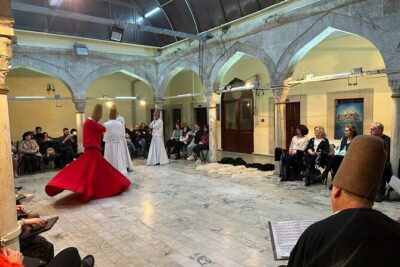
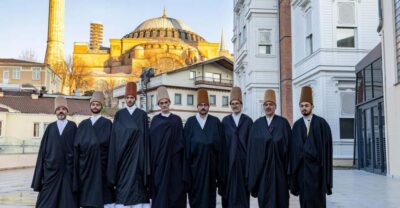
Istanbul Hodjapasha Whirling Dervishes Show & Exhibition
Read our review →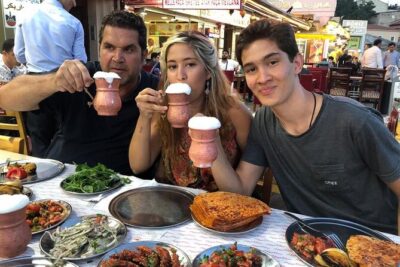
Istanbul Traditional Turkish Dinner and Dervish Experience
Read our review →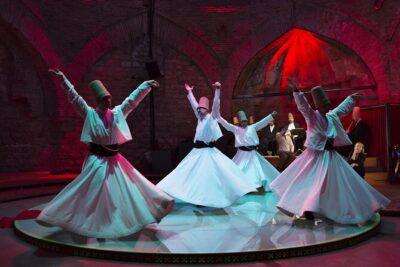
Istanbul Whirling Dervish Ceremony, A Mystical Sufi Experience
Read our review →Traditional Turkish Dinner and Dervish Experience
Read our review →Browse the lists this tour appears in