
Reviewed · WALKING TOURS
Byzantion Walk Path and City Walls of Istanbul
Byzantine fortifications, right where the city breathes. This tour threads together the City Walls of Istanbul route, from Yedikule and the Golden Gate area to the Theodosian Walls, then adds the Chora Museum if it is open. I like that key wall stops have free admission, so your money goes into a good guide and a great walking route. One drawback to plan for: Chora Museum admission is not included, and it is closed on Fridays.
You get an English-speaking licensed guide, and the group is private, up to 15 people. I also like the human pace, with room for breaks and questions, and the way the guide can steer the day toward what you care about. Still, this is a walking tour on uneven areas, so it is not ideal if your legs are a worry.
In This Review
- Key highlights worth knowing before you go
- Walking Byzantion walls, not just looking at them
- The value math: what you pay and what you actually get
- How the day flows, stop by stop
- Stop 1: Yedikule and the Golden Gate area
- Stop 2: Silivrikapı and its polygonal gate towers
- Stop 3: Mevlanakapı, where the Theodosian system comes to life
- Stop 4: Chora Museum, Byzantine art at full force
- Guides make the difference: what to look for in your English host
- Practical tips so the walk feels good, not stressful
- Timing and weather: why timing matters for Istanbul walls
- Who this tour suits best
- Should you book the Byzantion walk and city walls tour?
- FAQ
- How long is the tour?
- Is this tour private?
- What is the meeting point and start time?
- Are the wall stop admissions included?
- Is Chora Museum admission included?
- Is Chora Museum open every day?
- Is the tour in English?
- Is this tour suitable for people with leg problems?
- Is the meeting area near public transportation?
- What if weather is bad?
- Can I cancel for a full refund?
Key highlights worth knowing before you go
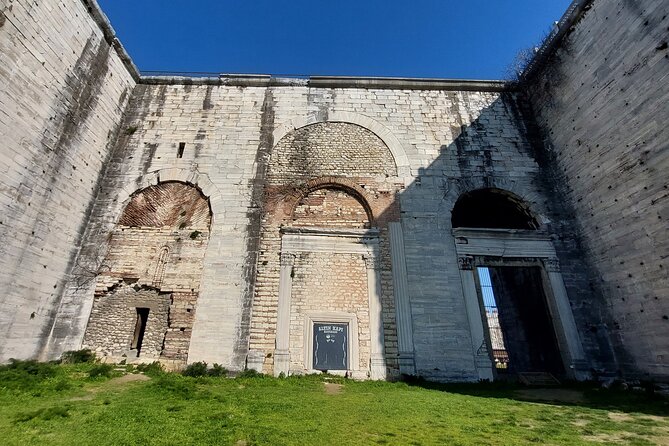
- Golden Gate focus at Yedikule: See a major wall section and the historic gate area tied to Ottoman-era dungeons.
- Free entry for the walls stops: Yedikule, Silivrikapı, and Mevlanakapı are ticket-free stops.
- Theodosian Walls explained in plain terms: You get the “how it worked” story, not just names and dates.
- Silivrikapı’s Late Byzantine rebuild: Polygonal gateway towers and the gate’s stone-and-brick pattern.
- Chora Museum mosaics and frescoes: A major stop for Byzantine art, with a clear note that it is closed on Fridays.
- A private group up to 15: You are not sharing the day with random strangers.
Walking Byzantion walls, not just looking at them
Istanbul’s walls can feel like a blur from the tram or from across the water. This experience is different because you get to move along the defenses and connect the dots: gates, towers, and the logic of medieval military engineering. You walk through the idea of Byzantium in stone, then you step into one of the biggest windows into Byzantine art at Chora.
You start at the German Fountain at Binbirdirek in Fatih, with a 9:00 am start. The tour ends back at the same meeting point, so there is no need to solve the “how do I get home” puzzle at the end of a long day.
Because the route mixes walking with transit to reach the right wall sections, the total time can vary widely, roughly 1 to 5 hours. That range depends on how much time you spend at each stop, how the walking feels for your group, and whether you include Chora Museum.
More of Istanbul beyond the obvious sights
- Istanbul: Blue Mosque, Hagia Sophia, & Old Town Walking Tour
★ 4.8 · 2,372 reviews - Istanbul: Fener Balat Half-day Guided Walking Tour
★ 4.9 · 1,711 reviews - Istanbul Highlights Small-Group Walking Guided Tour
★ 4.5 · 1,346 reviews
The value math: what you pay and what you actually get
The price is $372.07 per group for up to 15 people. That is group pricing, so the real cost per person depends on how many of you show up.
Here is a quick way to think about it:
- If you had 5 people, you’re paying about $74 each.
- If you had 10 people, you’re paying about $37 each.
- If you had 15 people, you’re paying about $25 each.
What makes this good value is the mix of free wall stops and a licensed English guide. You are not just buying access to sites. You are buying time with someone who can explain why each gate mattered and how the walls were built to survive sieges.
How the day flows, stop by stop
This is a structured route with clear time blocks, but it does not feel like a factory line. The stop lengths are roughly set, and the guide can help keep the walking realistic for your group.
You’ll also get some flexibility in getting between sites. For the first major wall section at Yedikule, you go there by taxi or public transportation, depending on what is easiest on the day.
Stop 1: Yedikule and the Golden Gate area
You start by heading to the Yedikule area to see the biggest wall portion, plus the Golden Gate area. This is one of those places where you can really grasp scale. Even if you have seen photos before, standing near a large surviving wall section changes how you understand the city’s defenses.
Yedikule mattered for a long time. In the Ottoman period, it was also tied to dungeons, and that darker layer of use is part of why this site hits. You’re not only seeing architecture, you’re seeing a location with a job, repeatedly, across empires.
This stop is about 1 hour 30 minutes, and admission is free for the site portion you visit.
Stop 2: Silivrikapı and its polygonal gate towers
Next you move to Silivrikapı, the gate just north of Belgrad Kapı. This stop is shorter, around 40 minutes, but it is a strong “walk by and learn” moment because of what the gate looks like and how it was rebuilt.
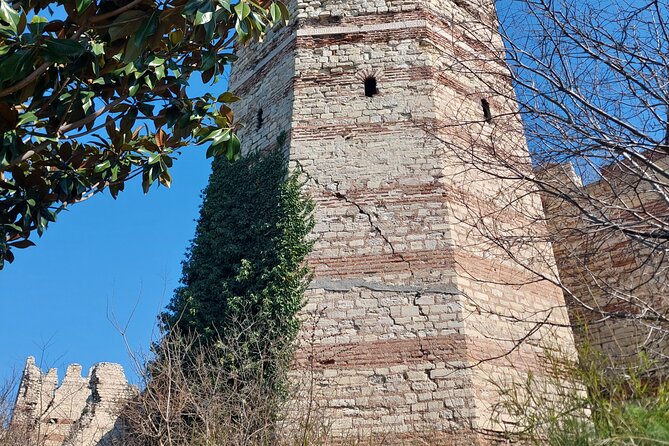
Silivrikapı sits between two polygonal gateway towers. The gate was renewed in the Late Byzantine period using irregular stones and brick rows placed in between. That pattern matters, because it shows how Byzantium adapted and repaired the defenses over time instead of treating the walls like a frozen museum piece.
Admission is free, and the time is short enough that this doesn’t drag. It also works well if you want momentum rather than a full museum-style pace.
Add these before you book flights home:
- Istanbul: Bosphorus Dinner Cruise & Show with Private Table
- Istanbul: Daytime or Sunset Sightseeing Cruise & Audio Guide
- Istanbul: Bosphorus Dinner Cruise & Turkish Night Show
- Best of Istanbul 1, 2 or 3-Day Private Guided Istanbul Tour
- Istanbul: Basilica Cistern Fast-Track Entry and Audio Guide
- Istanbul: Hagia Sophia Skip-the-Line Ticket & Museum Option
Stop 3: Mevlanakapı, where the Theodosian system comes to life
Then you walk the defenses at Mevlanakapı, focusing on the idea of multi-layer protection. This is one of the best conceptual stops on the route because it gives you the “why” behind the engineering.
You’re looking at the Theodosian Walls, explained as a layered system, not a single wall. You get the idea of a deep moat, an outer defense wall, and a massive inner wall about 12 meters high. That thickness and layering were designed to absorb cannon fire and repel siege engines.
This stop is about 45 minutes with free admission. The payoff is that the explanations turn scattered stone into a strategy. You start noticing sightlines, thickness, and how attackers would have been forced to keep committing resources in front of repeated barriers.
Stop 4: Chora Museum, Byzantine art at full force
The last major stop is the Chora Museum. This is where the day shifts from defense to devotion and art. The museum is famous for the most spectacular surviving collection of Byzantine mosaics and frescoes, with works created in the 14th century.
You can think of it as the Byzantine equivalent of a big visual statement. The art reflects the Palaeologan Renaissance, including a shift toward naturalism and more human emotion in the imagery. If you like seeing how style changes with time, this is the kind of museum that helps you “read” a culture through its images.
Important for planning: Chora Museum admission is not included in the tour price. Admission duration is about 1 hour 20 minutes. Also, it is closed on Fridays, so your schedule should account for that.
Guides make the difference: what to look for in your English host
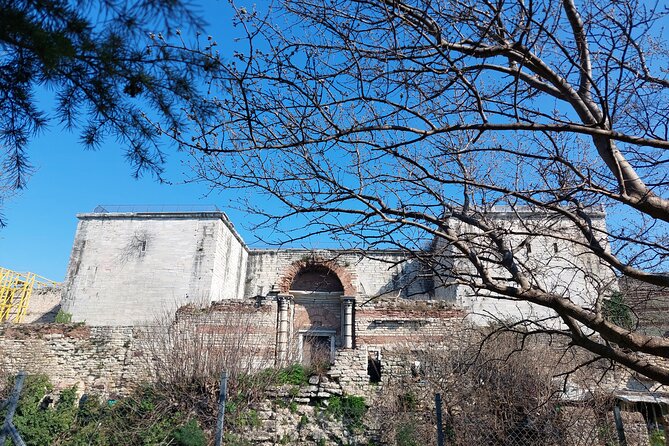
This tour is offered with a licensed or certified in-person guide in English. That matters because wall-watching from street level can be confusing. The good guides translate structure into story.
The names Taha and Ally show up often in guide mentions, and the common thread in the feedback is clear: the guide explains key points, stays friendly, and checks in for breaks. Another useful detail is that the tour can be tailored to what you want to see. That is especially helpful on a wall route, because people have different comfort levels and different interests, art lovers versus architecture fans versus pure history story people.
If you want maximum value, come with at least one question. For example: why this gate, why this section, or how the wall layering worked. With the right guide, your questions get answered clearly without turning the day into a lecture.
Practical tips so the walk feels good, not stressful
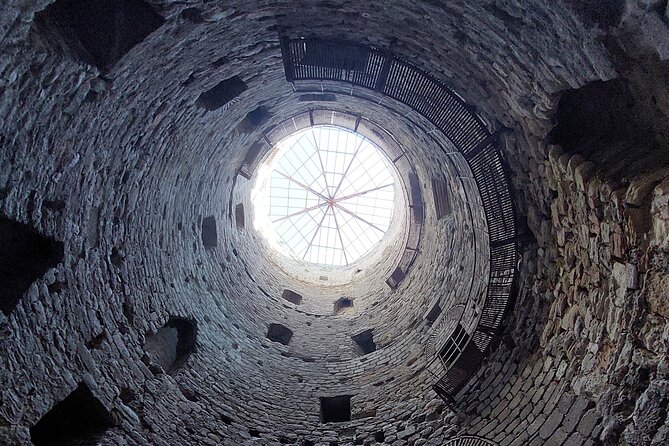
This experience is for travelers with moderate physical fitness and it is not recommended if you have leg problems. That does not mean you need to be an athlete. It means you should expect uneven surfaces, sustained walking, and some time standing near walls.
Here is how I’d set yourself up:
- Wear comfortable walking shoes with good grip.
- Bring water, especially if it is warm outside.
- Plan to move at a steady pace during the wall sections.
- If your legs tire easily, tell the guide early so they can adjust timing.
You’ll be near public transportation. That is useful if you need a quick reset, but the tour is private, so the guide is still your main reference point.
Service animals are allowed, which is a helpful note if you travel with one.
Timing and weather: why timing matters for Istanbul walls
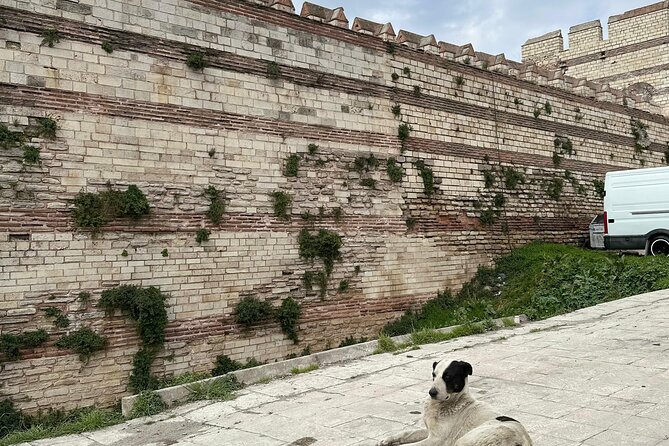
The tour depends on good weather. If conditions are poor, you’ll be offered a different date or a full refund. That is not just about comfort. Rain and slick surfaces can make wall walking less pleasant and more risky.
Start time is 9:00 am, which is often smart in Istanbul. Mornings tend to be easier for walking than late afternoon. If you hate crowds, showing up early helps, and the wall route benefits from softer light if you care about photos.
Also remember the Chora Museum day-of reality. If you are traveling on a Friday, the museum closure can change the feel of the day, since Chora is the ticketed museum stop and it is closed on that weekday.
Who this tour suits best
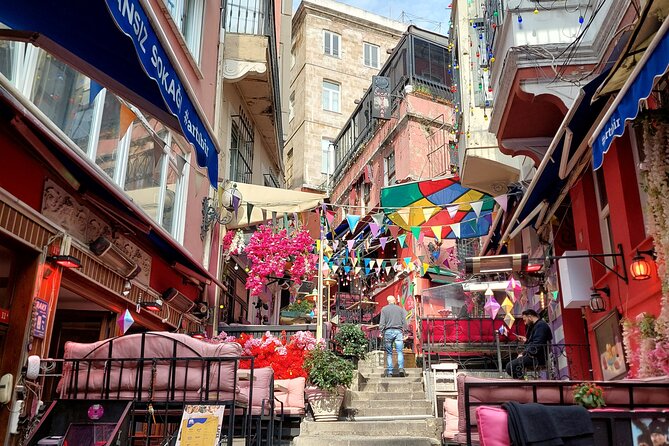
This is a great fit if you want Istanbul through the lens of Byzantium and how the city defended itself. It also works well if you love seeing how engineering and art sit side by side in the same city.
You’ll likely enjoy it most if:
- You like historical architecture and want to understand how it worked.
- You want a guided route that reduces guesswork.
- You are an art fan who also wants a major Byzantine art stop.
- You prefer a private group where the pace can match your needs.
If your main goal is shopping, nightlife, or a purely museum heavy day, you might find the wall portion less your style. But if you want something physical, story-driven, and grounded in real locations, this hits the sweet spot.
Should you book the Byzantion walk and city walls tour?
I’d book it if you want a guided, English-led route that connects specific gates and wall sections to the bigger story of how Constantinople survived. The combination of free admission at the wall stops plus the option of Chora Museum makes it a strong value, especially when your group size is toward the upper end.
I’d think twice if you are traveling with leg issues, because it is a walking-focused experience with moderate fitness expectations. I’d also plan carefully around Fridays because Chora Museum is closed that day, and you would need to adjust your expectations for the art stop.
If you like practical touring, ask your guide about what you should notice at each wall section. The best version of this day is when you turn the stones into a map in your head.
FAQ
How long is the tour?
The duration is listed as approximately 1 to 5 hours, depending on the time spent at each stop and how the day goes.
Is this tour private?
Yes. It is a private tour/activity, and only your group will participate.
What is the meeting point and start time?
The tour starts at the German Fountain Binbirdirek at Meydanı Cd, 34122 Fatih, Istanbul, with a 9:00 am start time.
Are the wall stop admissions included?
Admission tickets for Yedikule, Silivrikapı, and Mevlanakapı are listed as free.
Is Chora Museum admission included?
No. Chora Museum admission is not included, and you will need your own ticket.
Is Chora Museum open every day?
No. Chora Museum is closed on Fridays.
Is the tour in English?
Yes. The tour is offered in English.
Is this tour suitable for people with leg problems?
No. It is not recommended for anyone with leg problems. It is designed for travelers with moderate physical fitness.
Is the meeting area near public transportation?
Yes. The meeting point is described as near public transportation.
What if weather is bad?
The experience requires good weather. If it is canceled due to poor weather, you will be offered a different date or a full refund.
Can I cancel for a full refund?
Yes. Free cancellation is available if you cancel at least 24 hours in advance of the experience start time.
Newest tours in Istanbul



Walking Tours, compared.
Blue Mosque, Hagia Sophia, & Old Town Walking Tour
Read our review →

Istanbul Highlights Small-Group Walking Guided Tour
Read our review →
European and Asian Side Guided Foodie Walking Tour
Read our review →

Colorful Fener & Balat Walking Tour w/Expert Guide
Read our review →
Old Town Of Istanbul Orientation – Tip Based Walking Tour
Read our review →Browse the lists this tour appears in