
Reviewed · BALAT TOURS
Istanbul: Colorful Fener & Balat Walking Tour w/Expert Guide
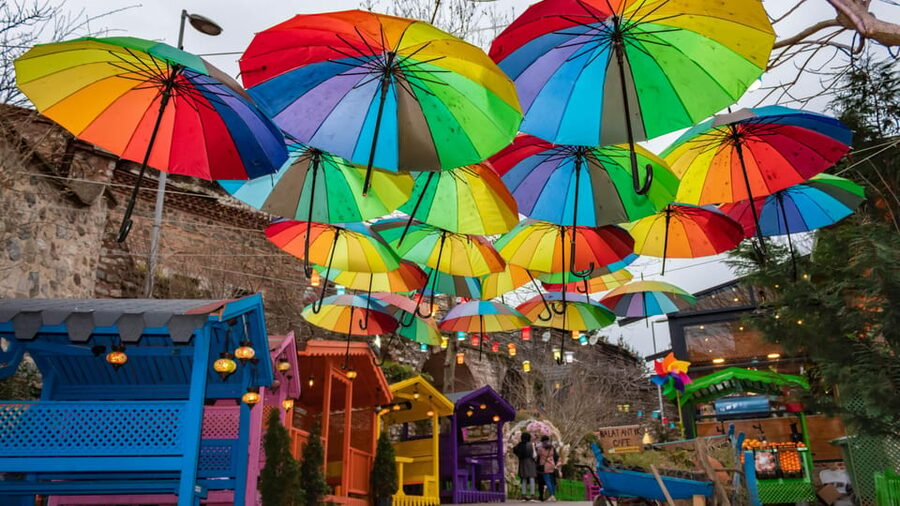
Color meets religion in Istanbul’s backstreets. On this Fener and Balat walking tour, you get big visual payoffs like the Bulgarian Church, plus clear context for how Greek, Jewish, and Bulgarian communities shaped these neighborhoods. I love that it is not a rushed checklist, it is a guided stroll where you understand what you are actually looking at.
One thing to plan for: this area is hilly, with steep cobblestones. Bring comfortable shoes, and if you are a woman, a headscarf is required for visiting religious sites.
In This Review
- Key points I’d put on your must-do list
- Why this Fener and Balat tour is a smart Istanbul detour
- Walking route and timing: what the 2 hours feels like on the ground
- Balat’s colorful streets, stairways, and the Bulgarian Iron Church
- Fener’s Greek Orthodox landmarks: Saint Mary of the Mongols and the school sites
- Ahrida Synagogue and St. George’s Cathedral: ending with major faith landmarks
- How the guide turns streets into a story (and why it affects value)
- Comfort, etiquette, and what to pack so the walk stays fun
- Price and value: is $18 fair for what you get?
- Should you book this Fener and Balat walking tour?
- FAQ
- How long is the Istanbul Fener and Balat walking tour?
- What is the price per person?
- Where does the tour start, and how do I find the guide?
- What sights are included during the walk?
- Is Turkish coffee included?
- What should I bring and wear?
- Is the tour wheelchair accessible?
Key points I’d put on your must-do list
- Balat’s Bulgarian Church (the Iron Church), known for its cast-iron structure and dramatic presence
- Church of Saint Mary of the Mongols (1266), plus the nearby Greek Orthodox school and education landmarks in Fener
- Ahrida Synagogue, dating to the 15th century, among the oldest in Istanbul
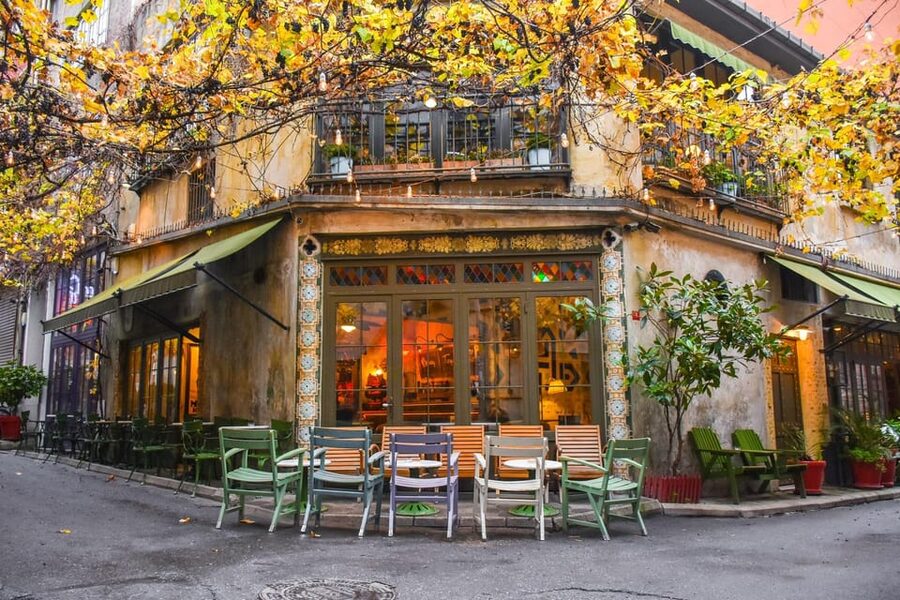
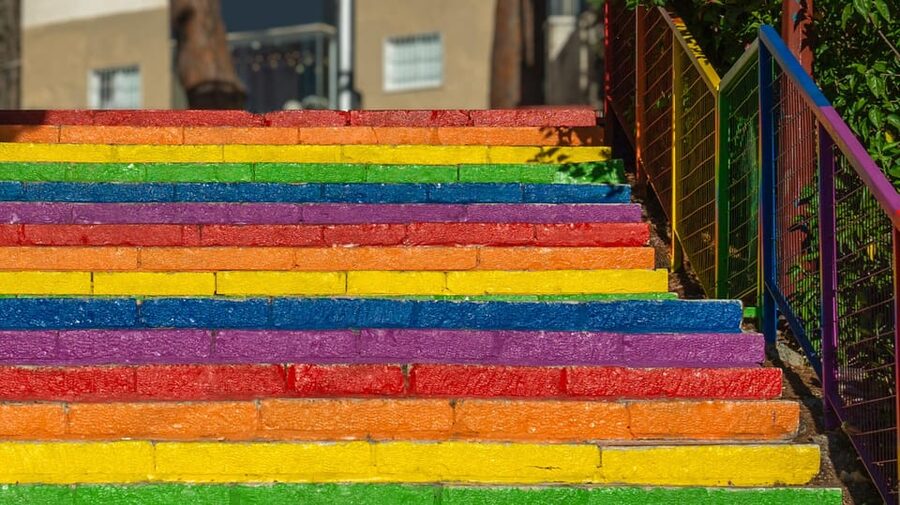
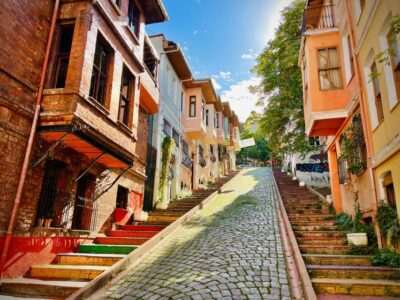
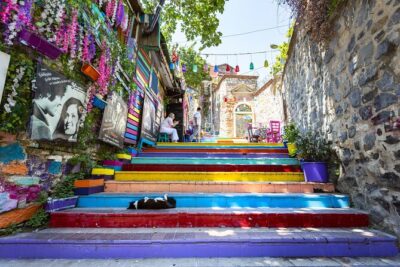
- Photo-friendly details, from colorful stairways to Ottoman-era wooden house façades
- A real ending, a cup of Turkish coffee to slow things down after the walking
Why this Fener and Balat tour is a smart Istanbul detour
Sultanahmet gets the postcard love. Fener and Balat get the story. This is one of those Istanbul experiences where the streets feel like they have names you can still hear, even when shop signs and modern life take over the ground floor. You are walking through neighborhoods tied to Greek Orthodox, Armenian, Jewish, and Bulgarian heritage, and your guide keeps the sites grounded in real life instead of abstract dates.
Two reasons I think this works so well are practical. First, you see multiple religions in one connected walk, so the city stops feeling like separate tourist zones. Second, you get enough time at each stop to take photos and actually register the architecture, from stone churches to the distinctive look of the Bulgarian Iron Church.
The other big win is value. $18 for about 2 hours with a live English guide and entrance fees included is hard to beat in Istanbul, especially when your plan includes several religious buildings where tickets can add up quickly.
Colorful stairways made for wandering, camera out
- Istanbul: Fener Balat Half-day Guided Walking Tour
★ 4.9 · 1,711 reviews - Half day Fener-Balat Walking Tour in Turkiye
★ 5.0 · 308 reviews - Istanbul: Fener, Balat, Old Greek and Jewish Quarter Tour
★ 4.9 · 234 reviews
Walking route and timing: what the 2 hours feels like on the ground
The tour meets at Balat Merkez Şekercisi, and you look for the guide holding a Tourmania flag. From there, you start in Balat, then move through the neighborhood streets where colorful houses and stairways are the first big sights. You will get a few photo stops right away, including the area around the local Muhtarligi and the famous colored houses.
Then the walking shifts into the Fener direction. Your route connects key stops that explain the different communities and institutions in the area, including education sites in Fener and a major run of Orthodox landmarks. Along the way, you get short breaks that matter, especially because the streets are uneven. The pace is designed so you can keep up without feeling like you are sprinting from one doorway to the next.
Near the back end, you reach the sites around Ahrida Synagogue and St. George’s Cathedral area, with time built in for viewing and photos. The tour ends with a cup of Turkish coffee, a nice cap because it gives you a moment to reset before you head off to lunch or explore on your own.
If you want a simple “how it will feel” summary: you are going uphill and downhill, stopping for a mix of inside visits and outside looks, and getting guided context throughout. It is not a museum-only day, it is neighborhood walking with major cultural anchors.
Balat’s colorful streets, stairways, and the Bulgarian Iron Church
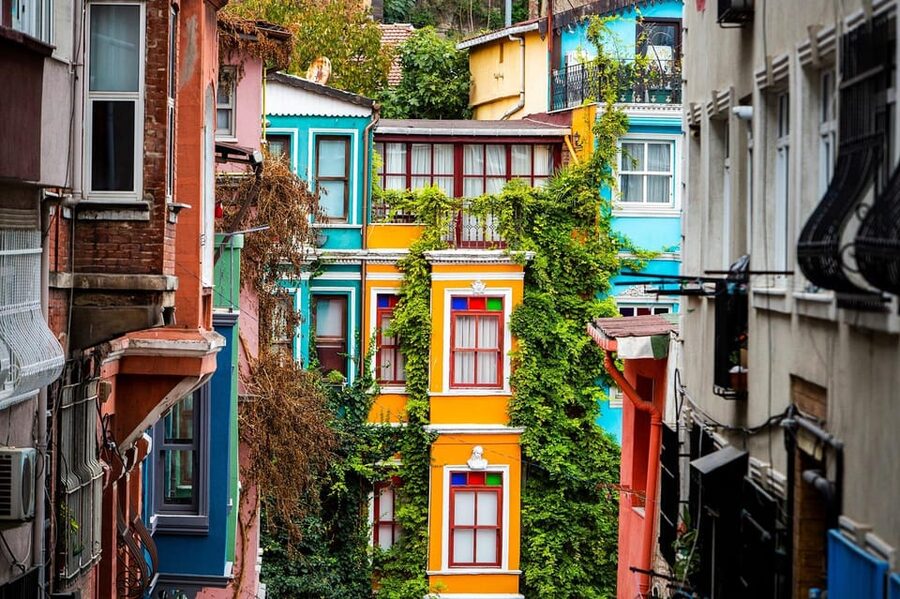
Balat is where the colors hit first. Expect Ottoman-era wooden houses with preserved façades, narrow streets with that old-city texture, and the kind of stairways that turn into instant photo backdrops. Your guide uses these streets like an outdoor classroom: you learn why this district took the shapes it did, and how the different groups organized around churches, synagogues, schools, and local institutions.
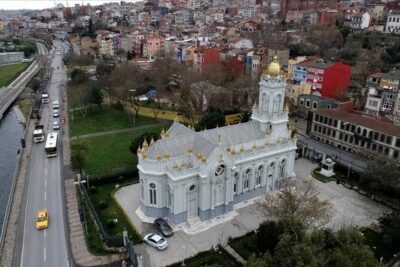
One stop that you will remember long after the walk is the Bulgarian Church, also called the Iron Church. The nickname is not just a gimmick. The building is known for its cast-iron structure, which makes it stand out visually among the surrounding architecture. When you see it up close, it helps you understand how communities in this part of Istanbul built religious spaces with materials and designs that reflected their needs and ambitions.
You also get small moments that make Balat feel lived in, not staged. The route includes time near local spots where people hang out and shop, which is part of why this tour works as an orientation day. If you are the type who likes to know where to return later, you will leave with names and mental maps.
A quick consideration: churches and religious buildings can be strict about dress. In the provided tour notes, women need a headscarf, and you are asked to be respectful. One guest also shared that some churches may not allow entries if knees or shoulders are exposed, with the practical workaround being to cover up or purchase something on-site. To avoid stress, dress for coverage and comfort from the start.
Fener’s Greek Orthodox landmarks: Saint Mary of the Mongols and the school sites
Once the tour moves into Fener, the focus turns to Greek Orthodox institutions and the historical weight of religious education and community life. This is where you see why the neighborhood is tied to longstanding patterns of scholarship, worship, and neighborhood identity.
A core highlight is the Church of Saint Mary of the Mongols, built in 1266. That date is not just trivia. Hearing the story behind the church while you stand in its vicinity makes the age feel real, and the guide connects the building to the wider fabric of Fener’s community presence over time.
You also pass or visit other key Orthodox sites that frame what you are seeing. The walk includes the Panagia Paramythia Church and the Phanar Greek Orthodox College, plus a stop connected to the former residence of Romanian prince Dimitrie Cantemir. Cantemir’s name comes up because Fener has long been tied to influential figures and institutions, and the guide uses that to show how history moved through this area.
Another reason I like the Fener segment is that it is not only about big monuments. You will also encounter education landmarks, including a Greek primary school stop and the Special Fener Greek High School. This matters because it shows community continuity, how places kept shaping identity generation after generation.
If you are curious about architecture and city planning, this part helps you connect dots. Schools, churches, and neighborhood streets do not sit randomly on a map. In Fener, they connect in ways your guide will make understandable, so the buildings start to feel like parts of a system, not isolated stops.
Ahrida Synagogue and St. George’s Cathedral: ending with major faith landmarks
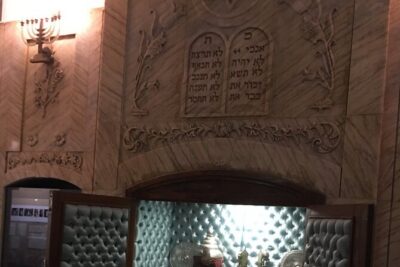
The final arc of the tour shifts into Jewish heritage, anchored by Ahrida Synagogue. The synagogue is described as one of the oldest in Istanbul, dating to the 15th century. Walking into the area and learning about its age gives you perspective on how long Jewish life has had a visible footprint in this part of the city.
You also have St. George’s Cathedral, Istanbul included for a photo stop and a bit of time. Even if the emphasis here is photos and exterior viewing, the cathedral adds a strong visual endpoint to the day. It helps that the tour does not end right after the synagogue stop. You get that small extra moment before finishing back at Balat Merkez Şekercisi.
Timing-wise, this segment is also helpful because it comes after you have already built context in Balat and Fener. By the time you reach Ahrida and St. George’s, you are not starting from scratch. You already know what kinds of institutions you are looking for and why they clustered where they did.
Practical note: your guide helps manage access and keeps you moving at a sensible pace, which is important around religious sites. Flash photography is not allowed, so set your camera accordingly and use natural light.
More of Istanbul beyond the obvious sights
- Istanbul: Blue Mosque, Hagia Sophia, & Old Town Walking Tour
- Istanbul Highlights Small-Group Walking Guided Tour
- Istanbul: European and Asian Side Guided Foodie Walking Tour
- Istanbul: Asian Side Walking Tour with Ferry Ride
- Old Town Of Istanbul Orientation – Tip Based Walking Tour
- Istanbul Highlights Small-Group Walking Guided Tour
How the guide turns streets into a story (and why it affects value)
The best tours make you feel smarter without lecturing. Here, the guiding style shows up repeatedly in the reviews you can expect to see for this tour: friendly, approachable guides who answer questions and explain how each site connects to community life.
Names that come up in the guide rotation include Hüseyin, Emre, Can (also written as John), and Furkan. I cannot promise which name you will get, but I can tell you what matters for your experience: the tour is built around an expert guide in English who provides context while you walk, not a silent headset situation.
What you gain from a strong guide in this neighborhood is depth you would struggle to assemble on your own. Fener and Balat can look like “pretty streets with churches” if you only focus on the visuals. With a guide, you understand why the places exist where they do, what the institutions meant, and how heritage shows up in everyday city details.
One extra value point: the walk often works well for small groups. Multiple reviews mention private or near-private tours, which usually translates to a better pace, more flexibility with questions, and more time to read the places you are visiting.
Comfort, etiquette, and what to pack so the walk stays fun
This is an urban walking tour, and the neighborhood surface is the biggest real-world challenge. The streets can be steep and cobbled, so you will want shoes with grip and support. I also suggest bringing water even though you are only walking for 2 hours, because the hill factor adds up.
For head and sun comfort, the tour notes include bringing a hat. Camera is also on the list because so many stops are photo-driven, from colorful stairways to church exteriors.
Etiquette is straightforward but important. You are asked to be respectful of local culture and religious sites, and flash photography is not allowed. For women, a headscarf is required for visiting religious places, so pack one that you can wear comfortably while walking.
Clothing coverage is a smart idea. The tour notes specifically mention headscarf requirements. One guest reported that some churches may limit entry if knees or shoulders are exposed, and that a workaround could involve covering up or purchasing something on-site. You do not need to overthink it, just plan to keep knees and shoulders covered.
Price and value: is $18 fair for what you get?
Let’s do the practical math. At $18 per person for a 2-hour guided walk, you are paying for three main things: a live English guide, entrance fees, and the convenience of skipping the ticket line. Entrance fees matter here because you are visiting multiple religious landmarks, and those costs can stack up faster than you expect in Istanbul.
You also get one included refreshment: a cup of Turkish coffee at the end. It might sound small, but it is a meaningful travel detail. It turns the tour from a continuous walk into a complete “morning or afternoon block” with a proper landing moment.
What is not included is just as useful to know. Food and drinks besides the Turkish coffee are not included, and transfers are not included. So plan to treat this as a focused walking experience, then eat afterward on your own at a nearby café.
From a value standpoint, this tour is a good fit if you want to get oriented in an area that most visitors either skip or only glance at from far away. It is also a strong option if you want a guide to help you understand the religious and cultural mix in Balat and Fener without spending time piecing it together yourself.
Should you book this Fener and Balat walking tour?
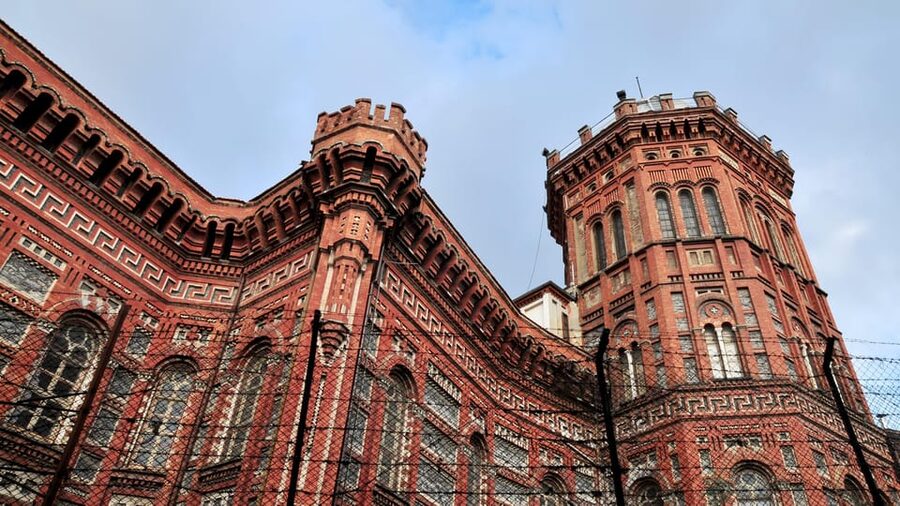
I think you should book it if you want Istanbul off the main drag, and you like your walking tours with real cultural context. The combination of Balat’s Iron Church, Fener’s Saint Mary of the Mongols (1266), and Ahrida Synagogue gives you multiple major landmarks in one organized stroll.
Skip it, or choose another option, if steep cobblestones are a problem for you, because this is not a flat stroll. Also, if you hate religious site etiquette or dress rules, you might feel constrained unless you plan ahead with the right covering.
If you show up with comfortable shoes, a headscarf if needed, and a camera ready for stairways and façades, this tour is a fair-price way to see a side of Istanbul that still feels like neighborhoods, not just monuments.
FAQ
How long is the Istanbul Fener and Balat walking tour?
The tour lasts 2 hours.
What is the price per person?
The price is $18 per person.
Where does the tour start, and how do I find the guide?
You meet in front of Balat Merkez Şekercisi. Look for the guide holding a flag with the Tourmania logo.
What sights are included during the walk?
You will see the Bulgarian Church (Iron Church), the Church of Saint Mary of the Mongols, and the Ahrida Synagogue, plus additional Greek Orthodox landmarks along the route.
Is Turkish coffee included?
Yes, you end the tour with a cup of Turkish coffee.
What should I bring and wear?
Bring comfortable shoes, a hat, a camera, water, and a headscarf (women require one). Flash photography is not allowed.
Is the tour wheelchair accessible?
No, it is not suitable for wheelchair users.
Newest tours in Istanbul
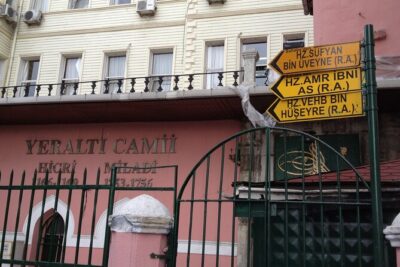

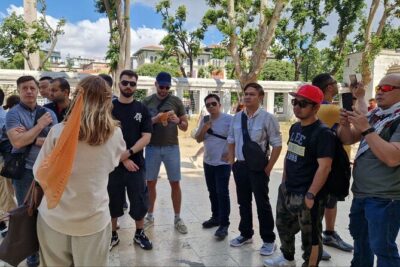
Balat Tours, compared.
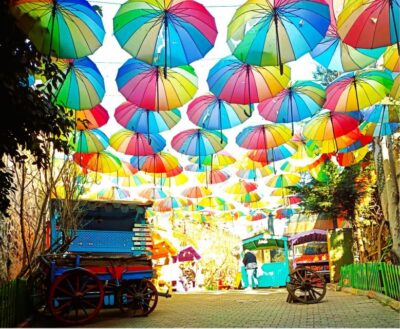
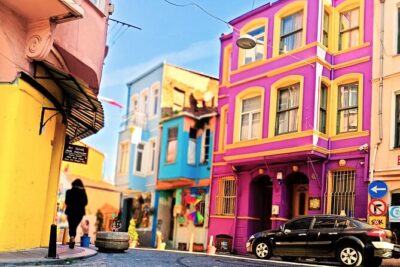
Fener, Balat, Old Greek and Jewish Quarter Tour
Read our review →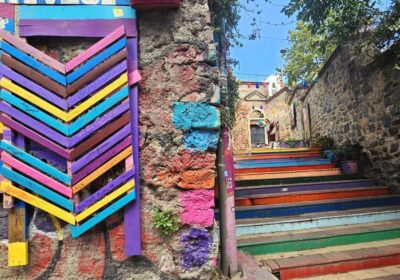
Fener & Balat Guided Tour through Colored Streets
Read our review →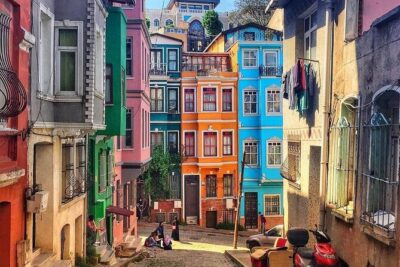
Istanbul City Walk: Colors, Culture & History Fener Balat Tour
Read our review →
Historic Balat and Chora Tour with Sunset Cruise
Read our review →Browse the lists this tour appears in