

Reviewed · BALAT TOURS
Istanbul: Fener Balat Half-day Guided Walking Tour
Colorful streets, big history, small price. This half-day guided walk through Fener and Balat feels like Istanbul got edited to its quieter, older pages, with church steps, synagogues, and neighborhood life all in one circuit.
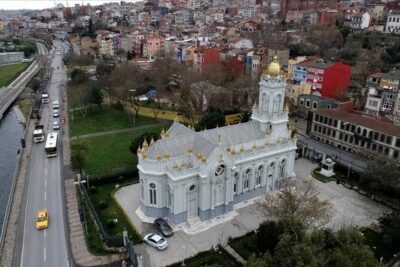
I especially love the way you get inside major landmarks, not just snapshots from the sidewalk, including the Bulgarian Iron Church with its famous cast-iron details. The other big win for me is the layered storytelling about how Armenian, Bulgarian, Greek, and Jewish communities shaped this part of the city over centuries.
One thing to plan for: you climb the hill of Fener, and churches have strict dress rules. If you show up in shorts or a sleeveless top, you can get turned away at some entrances.
In This Review
- Key Highlights You Will Actually Feel
- Why Fener and Balat Still Feel Like a Different Istanbul
- Meeting at the Fener Bus Stop, Near Nakış Cafe
- The 3-Hour Circuit, What You Walk Through and Why It Matters
- St. George’s Cathedral and the Fener Highlights That Set the Tone
- Cantemir Palace, Panagia Paramythia, and the Church of Saint Mary of the Mongols (1266)
- Entering the Bulgarian Iron Church in Balat, and Seeing Why It Got Its Name
- Ahrida Synagogue, Sveti Stefan Church, and the End-Stop That Feels Like Relief
- What You Learn Here, Beyond Facts and Signboards
- Price and Value: Why $20 for Three Hours Feels Fair
- Dress Code and Hill Advice, So You Do Not Lose Time at Entrances
- Should You Book This Fener Balat Walking Tour?
- FAQ
- How long is the Istanbul Fener Balat guided walking tour?
- Where is the meeting point?
- Is the tour guided in English?
- What is included in the price?
- Does the tour run in bad weather?
- What should I wear for church entrances?
Key Highlights You Will Actually Feel
- Bulgarian Iron Church entry, with cast-iron church adornments you can see up close
- Ahrida Synagogue, one of the city’s older synagogues, dating back to the 15th century
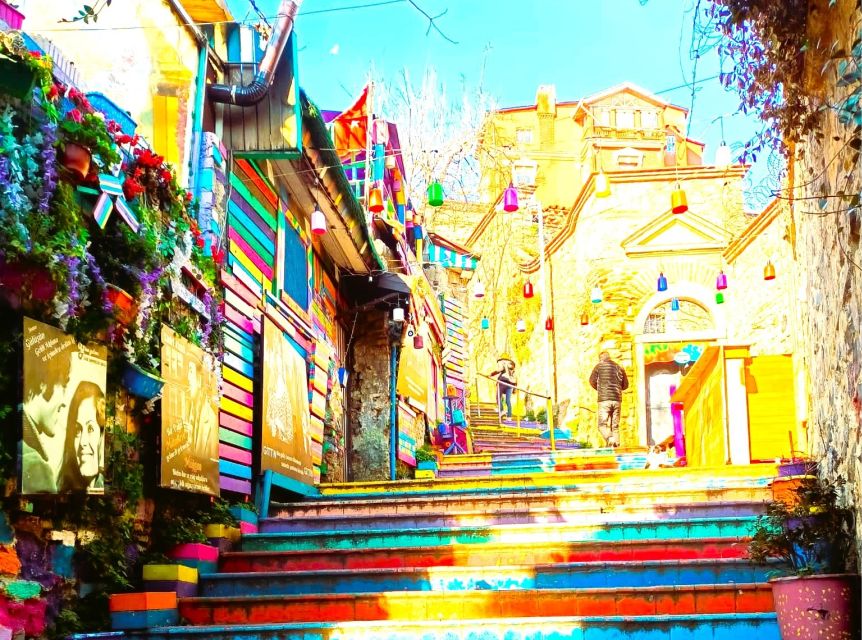
- Photo-friendly stops like the colorful stairways and Balat’s iconic timber houses
- A fast-moving 3-hour route that stays organized without feeling rushed
- Guides who bring the neighborhood to life, with fan favorites like Kubra, Yunus, and Junus
Why Fener and Balat Still Feel Like a Different Istanbul

Istanbul can be loud, polished, and very on display. Fener and Balat are different. The streets slope, the stairways stack, and the architecture does not perform for tourists. It just keeps being itself, with communities living alongside centuries-old faith buildings.
This tour works because it is not trying to cram in everything in the city. In about three hours, you get a meaningful slice of Istanbul’s multicultural past and how it still shows up today in houses, schools, churches, and synagogues.
And the best part is the range of faith sites you see in a single walk. You are not bouncing between random monuments. You are moving through connected neighborhood corners, where the stories overlap.
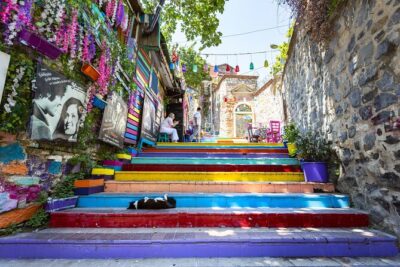
Colorful stairways made for wandering, camera out
- Half day Fener-Balat Walking Tour in Turkiye
★ 5.0 · 308 reviews - Istanbul: Colorful Fener & Balat Walking Tour w/Expert Guide
★ 4.7 · 234 reviews - Istanbul: Fener, Balat, Old Greek and Jewish Quarter Tour
★ 4.9 · 234 reviews
Meeting at the Fener Bus Stop, Near Nakış Cafe

Logistics matter on walking tours, and this one makes it pretty clear where to start.
You meet the guide next to the Fener bus stop by the seaside, close to Nakış Cafe (about a two-minute walk from it). The directions are written to help you arrive even if you are coming from different parts of Istanbul.
Here are the most practical options mentioned:
- From Eminönü, take tram T5 to the Fener tram station, then walk about 3 minutes in the Balat direction.
- From Eminönü, you can also use bus routes to the Fener stop, but the tram is often easier because bus frequency can be limited.
- From Taksim, you can take bus 55T to the Fener stop.
- From Karaköy, pay attention to bus numbers like 99, 99A, 99Y. Their end point may restart routes back near Eminönü, so double-check you are getting off at the Fener stop.
- If you are using the ferry, you can come to Fener by the Haliç route, and the stop is just behind the bus stop.
Tip I give friends: arrive a few minutes early and check the last meeting-point photo. It is easier than playing detective with street corners.
The 3-Hour Circuit, What You Walk Through and Why It Matters
This is built as a walk with regular small stops, so you are not stuck listening to a lecture for the entire time. You also get chances to pause, take photos, and catch your breath.
You start in Fener, working uphill through the neighborhood. Expect colorful stairways and tight lanes, the kind of route that makes you look up at details you would miss on your own. As you move toward Balat, the vibe shifts into the timber-house scenery Balat is known for.
The final stretch brings you to the Ahrida Synagogue, then you wrap up with Turkish coffee. That last moment matters more than it sounds. After a lot of religious architecture and history, sitting with a warm cup helps the whole experience click into place.
St. George’s Cathedral and the Fener Highlights That Set the Tone
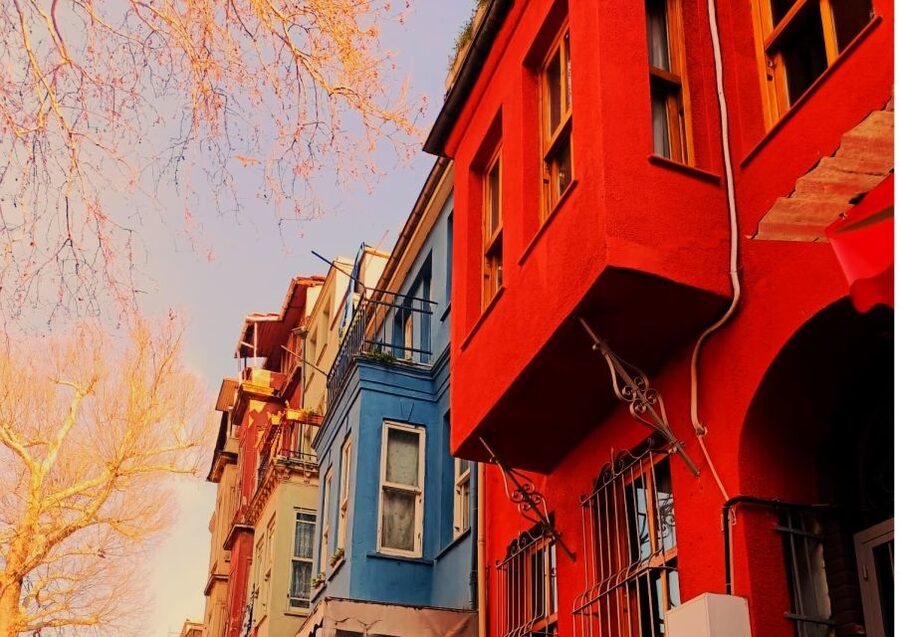
Your tour begins at St. George’s Cathedral in Istanbul. This first stop is a good anchor, because it tells you what you are about to experience: layered Greek Orthodox history in the middle of a working neighborhood.
From there, you move to the Renkli Merdivenler, the colorful stairs area. This is not just a pretty photo moment. Stairs like this are how these neighborhoods actually function, and walking them helps you feel the neighborhood geography that shaped how people lived and built.
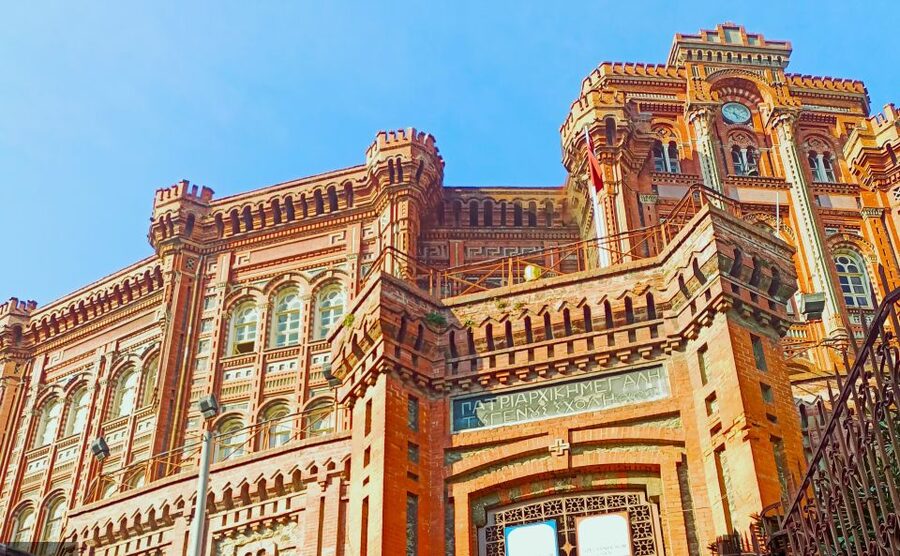
You then pass by and stop for sights connected to Greek education in the area, including the Special Fener Greek High School. You also see Virgin Mary Greek Orthodox Church and other church-related stops along the way.
Possible downside: because the early part includes a hill and stair steps, plan footwear that grips well on uneven surfaces. February and rainy days can make steps slick.
Cantemir Palace, Panagia Paramythia, and the Church of Saint Mary of the Mongols (1266)
One of the most fascinating story lines on this route is the mix of European and local power in a neighborhood that is now known for everyday life.
You walk past the former home of Romanian Prince Dimitrie Cantemir. Even if you are not a history buff, it helps to hear how political figures connected to the region left physical traces behind.
Then comes the Church of Saint Mary of the Mongols, built in 1266. This is a standout for me because it is old in a real way, not just old as a label. Seeing it helps you understand that these faith buildings were part of the city’s long timeline, long before Istanbul became the city most people picture today.
The tour also includes Phanar Greek Orthodox College and Panagia Paramythia Church as part of the Greek Orthodox thread, so you get a clear sense of how education and religion both shaped the neighborhood’s identity.
At these stops, dress matters. If you are unsure what will work, bring a scarf. It is a simple fix that can prevent a lot of frustration at church entrances.
More of Istanbul beyond the obvious sights
- Istanbul: Blue Mosque, Hagia Sophia, & Old Town Walking Tour
- Istanbul Highlights Small-Group Walking Guided Tour
- Istanbul: European and Asian Side Guided Foodie Walking Tour
- Istanbul: Asian Side Walking Tour with Ferry Ride
- Old Town Of Istanbul Orientation – Tip Based Walking Tour
- Istanbul Highlights Small-Group Walking Guided Tour
Entering the Bulgarian Iron Church in Balat, and Seeing Why It Got Its Name
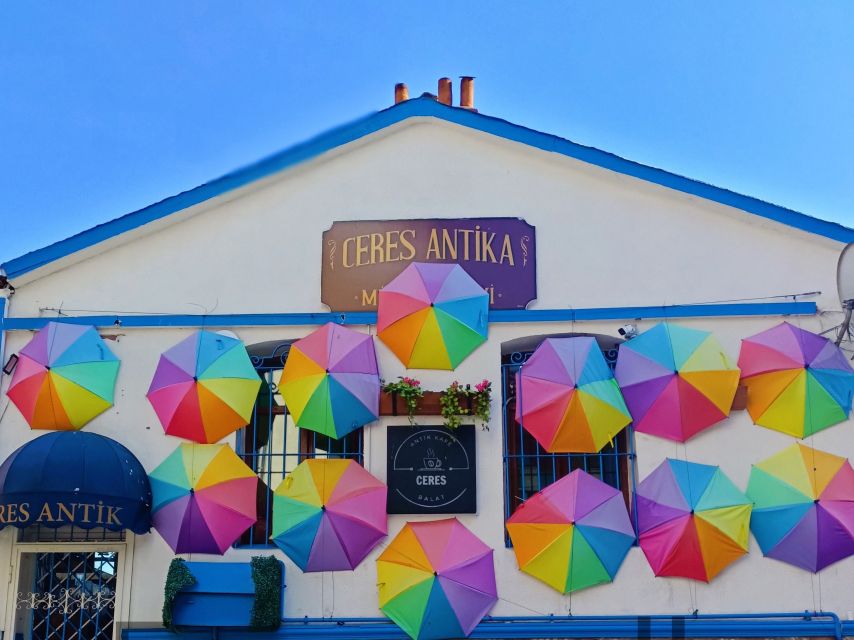
Balat is where the neighborhood charm becomes hard to ignore. You pass by the colored houses area and then head toward the Bulgarian religious landmarks.
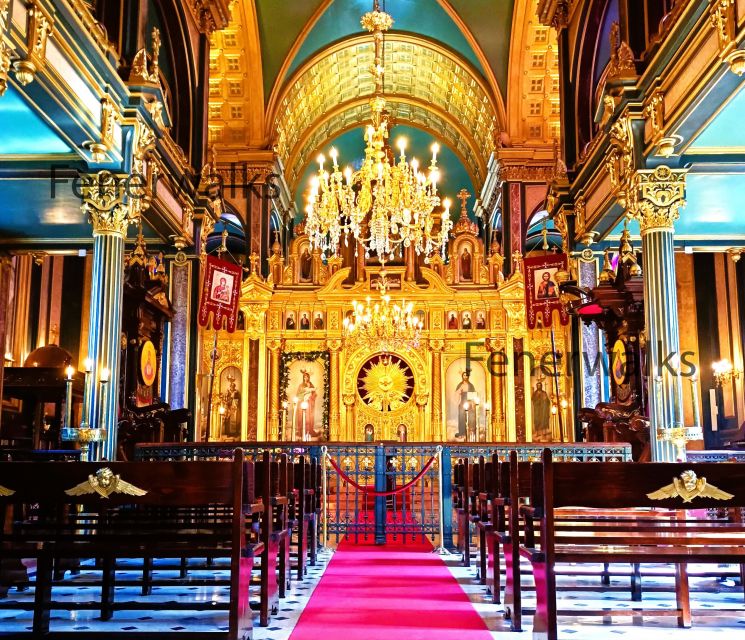
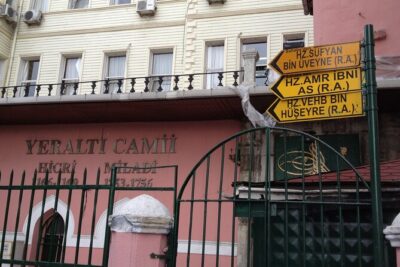
The main star here is the Bulgarian Iron Church, also known as the Iron Church because of the cast iron used in its production. The key difference with this tour is that you do not just look from the outside. You get entry, so you can see what makes the materials special and how the space feels once you are inside.
This is one of those experiences where your brain starts doing math. Iron Church details plus a multi-faith neighborhood plus a city that changed hands again and again equals something bigger than a single building. It becomes a symbol of how communities adapted, rebuilt, and left behind worship spaces that still work today.
You also see some of Balat’s famous timber houses, which adds texture. Architecture here is not just about religion. It is also about daily life, the shapes of homes, and the street-level rhythm of the district.
Ahrida Synagogue, Sveti Stefan Church, and the End-Stop That Feels Like Relief
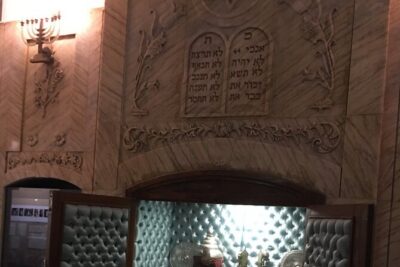
The tour finishes with a spiritual and historical climax: the Ahrida Synagogue. This synagogue is described as one of the oldest in Istanbul, with roots going back to the 15th century.
Walking in that final stretch, you can feel the tone change. The earlier part of the walk is energy and colors. The last part asks you to slow down and pay attention. It is a good contrast, especially if you like your tours to have an emotional arc, not just a photo list.
You also see Sveti Stefan Church during the walk. It works as a final major landmark before you head back toward the starting side.
Then you wrap up with Turkish coffee. The coffee stop is a smart ending. Your legs are warm, your mind is full, and you get a chance to process what you just saw without rushing to your next appointment.
What You Learn Here, Beyond Facts and Signboards
This tour is built around more than one community, and the guide ties it together in a way that makes the neighborhood feel connected.
You hear facts about how Armenian, Bulgarian, Greek, and Jewish heritage shows up in the area. The goal is not to turn Istanbul into a classroom, but to help you notice patterns while you walk. For example, you start recognizing when the architecture shifts because a different community built, maintained, or adapted a place.
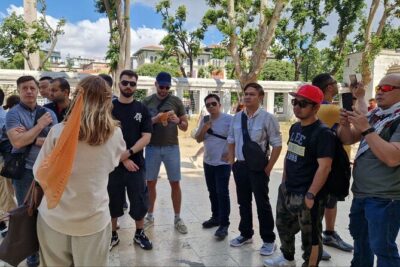
The guide style also matters. Many of the strongest ratings highlight how guides like Kübra, Junus, and Yunus keep the group organized, make timing for photo stops, and explain stories clearly enough for different listening levels. One recurring praise is that the pace is steady, not a grind, with time to rest during the uphill parts.
If you care about authenticity, this is also the kind of neighborhood where you can pick up a better sense of how locals live. Even the breakfast and coffee culture around Fener and Balat helps you understand the area is not just scenery.
Price and Value: Why $20 for Three Hours Feels Fair
At $20 per person for about 3 hours, the value is strong because you are paying for more than walking.
You get:
- A live English-speaking guide with commentary
- Access connected to the Greek Orthodox Patriarchate site
- Entry to the Bulgarian church (the Iron Church)
- Organized time at major landmarks plus photo stops
Many guided walks charge a similar price but do not include entry. Here, part of what you pay for is access, plus the interpretation that makes multiple religious buildings and schools worth your time.
Small-group or private options are also mentioned, which matters if you do not want to feel swallowed by a large crowd.
Dress Code and Hill Advice, So You Do Not Lose Time at Entrances
Church rules are not a suggestion on this route. You are told what is not allowed: shorts, short skirts, and sleeveless shirts. Some entrances enforce this closely, including restrictions for both women and men.
My practical advice:
- Wear long pants or clothing that fully covers your legs
- Choose sleeves or bring a layer that covers your shoulders
- Bring a scarf or a light wrap, even in warmer months
- Plan for the Fener hill climb on the way up, wear supportive shoes, and take your time at the stairways
Rain or shine is also part of the deal. If you go in wet weather, expect slippery steps. Shoes with grip are worth more than any umbrella.
Should You Book This Fener Balat Walking Tour?
Book it if you want an Istanbul walk that goes off the usual map. This tour is ideal for people who like walking, care about how different communities co-existed in the same city, and want to see places with real religious significance, not just exterior views.
Skip it or plan extra carefully if you are not comfortable with hills and stair steps, or if your wardrobe does not already match church dress rules. A quick clothing adjustment can solve a lot, but if you refuse to follow the guidelines, you may lose some of the best parts of the walk.
If you want an easy way to experience Istanbul’s multi-faith neighborhoods with a guide, this one is a smart choice, especially at the $20 price point.
FAQ
How long is the Istanbul Fener Balat guided walking tour?
It lasts about 3 hours.
Where is the meeting point?
Meet the guide next to the Fener bus stop by the seaside, near Nakış Cafe (about a 2-minute walk away).
Is the tour guided in English?
Yes. The live tour guide provides commentary in English.
What is included in the price?
The tour includes a guide and commentary, entry connected to the Greek Orthodox Patriarch, and entry to the Bulgarian church.
Does the tour run in bad weather?
Yes, it takes place rain or shine.
What should I wear for church entrances?
Shorts, short skirts, and sleeveless shirts are not allowed. It is also recommended to bring a scarf or a long dress to meet entrance requirements.
Newest tours in Istanbul


Balat Tours, compared.


Colorful Fener & Balat Walking Tour w/Expert Guide
Read our review →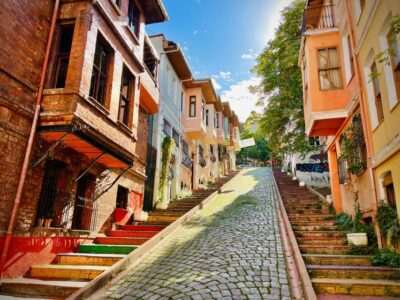
Fener, Balat, Old Greek and Jewish Quarter Tour
Read our review →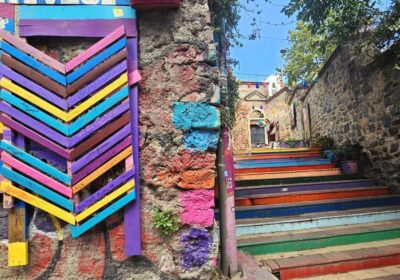
Fener & Balat Guided Tour through Colored Streets
Read our review →
Istanbul City Walk: Colors, Culture & History Fener Balat Tour
Read our review →
Historic Balat and Chora Tour with Sunset Cruise
Read our review →Browse the lists this tour appears in