
Reviewed · BALAT TOURS
Balat Chore Mosque and Sunset Multiple Tour
Balat can feel like Istanbul’s secret side street, then it opens into big views. This 5-hour combo pairs the Chora Museum area with Balat’s layered Jewish and Christian landmarks, then finishes with a sunset Bosphorus cruise that gives you the city from the water. I love how the guide uses real local context to connect these places, and I also like that the group stays small enough to ask questions. One thing to watch, though, is cost add-ons: Chora Museum admission is not included, and there are also public transport costs.
On the cruise part, the vibe is relaxed, the boat is kept clean and comfortable, and you get snacks like cookies, baklava, and nuts. I also appreciated the steady running commentary during the ride, including practical pointers that help you spot what you are seeing as the light changes. Still, if you are picky about snack quality, you might want to plan for a small extra treat after the cruise.
In This Review
- Key Highlights You Will Actually Care About
- A Smart Day Plan: Balat’s Old City Layers, Then the Bosphorus Finale
- Kariye Mosque and Chora Museum: Start Here, Understand Why It Matters
- Balat’s Synagogues: Ahrida and Yanbol Close Together in the Real Neighborhood
- Ahrida Synagogue, the Boat-Shaped Bimah Detail
- Yanbol Synagogue, Wooden Interior and Painted Ceiling
- Greek Orthodox Churches in Balat and Fener: More Than Pretty Interiors
- Meryem Ana Greek Orthodox Church
- St. George Cathedral, the Patriarchal Center
- The Iron Church: Sveti Stefan (Sveti Stefan Church)
- Colorful Stairs and the Phanar’s Red Castle School
- Meeting the Boat: Kabatas Area and the Start of Sunset Time
- The Bosphorus Cruise at Golden Hour: Palaces, Bridges, Fortresses
- Dolmabahçe Palace and Çırağan Palace from the Water
- Ortaköy and the Bosphorus Bridge
- Fortresses on Both Sides: Rumeli Hisarı and Anadolu Hisarı
- Küçüksu, Kuleli, Beylerbeyi, and Üsküdar: The Asian Shore Perspective
- Maiden’s Tower and the Final Run toward Kabatas
- Snacks, Boat Comfort, and What the Guide Does During the Ride
- Price and Value: Is $96.12 Worth It?
- Who This Tour Fits Best
- Should You Book This Balat and Bosphorus Tour?
- FAQ
- FAQ
- What is the duration of the tour?
- What is included in the price?
- Is Chora Museum admission included?
- Are public transportation costs included?
- Where does the tour start?
- Where does the tour end?
- Is there a mobile ticket?
- How many people are in the group?
- What is the cancellation policy?
Key Highlights You Will Actually Care About
- Small group size (up to 12) keeps the walk more human and the boat ride more personal
- Balat’s faiths in close reach means you can see synagogue architecture and Greek Orthodox churches without long detours
- Ahrida Synagogue’s boat-shaped bimah is a detail you will remember, even after you move on
- The sunset cruise is the main show with a 2-hour Bosphorus window for photos and bridge spotting
- English guide and helpful explanations make the stops easier to understand, not just to collect
- Comfort plus snacks on the water helps you enjoy the ride without constantly hunting food
A Smart Day Plan: Balat’s Old City Layers, Then the Bosphorus Finale
This is the kind of tour that works because it changes gears on purpose. You start in the lanes of Balat, where Ottoman-era streets sit next to Byzantine churches and Jewish synagogues, then you end where Istanbul flexes its scale, the Bosphorus at sunset. If you only do one of these halves, you miss the contrast that makes the day feel complete.
You will cover a lot of ground, but the pace is made for walking and looking, not sprinting. And because the cruise is time-boxed to about two hours, you are not stuck on a boat all evening with nothing to look forward to.
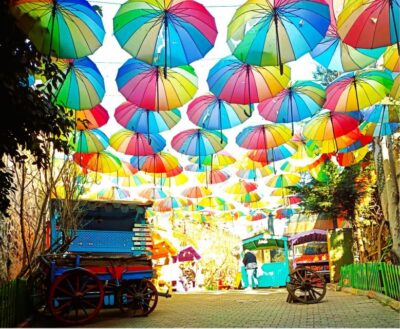
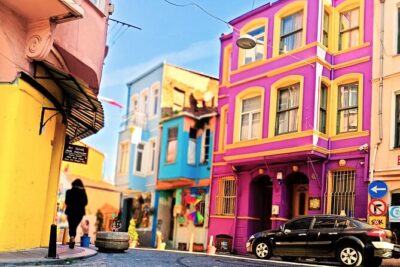
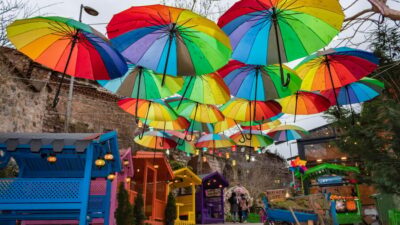
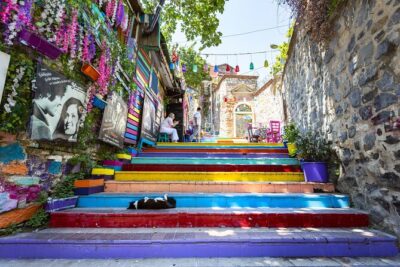
Colorful stairways made for wandering, camera out
- Istanbul: Fener Balat Half-day Guided Walking Tour
★ 4.9 · 1,711 reviews - Half day Fener-Balat Walking Tour in Turkiye
★ 5.0 · 308 reviews - Istanbul: Fener, Balat, Old Greek and Jewish Quarter Tour
★ 4.9 · 234 reviews
Kariye Mosque and Chora Museum: Start Here, Understand Why It Matters
The tour starts near Kariye Mosque in the Fatih area. This is a great opening because it sets the tone: Istanbul’s religious buildings have always shifted roles, and you see evidence of that right away around the Chora area.
A big practical note: the Chora Museum ticket is not included, so you should expect an extra charge if the stop includes museum access for you. Plan this mentally at booking time so you do not get surprised mid-day.
What makes this stop worth your attention is the art and how tightly it connects to the building’s identity. Chora, originally the Chora Church, is famous for well-preserved mosaics and frescoes tied to scenes from Jesus and Mary. During the Ottoman period it became a mosque, and in later years it reopened again as a mosque, depending on the period. Even if you are not an art expert, you will feel the place is special because the decoration is the point, not the background.
Balat’s Synagogues: Ahrida and Yanbol Close Together in the Real Neighborhood
Balat is not a museum district. It is a working, lived-in neighborhood on the Golden Horn, and that matters for atmosphere. You will get the sense of a city that has kept multiple communities side by side for centuries.
Ahrida Synagogue, the Boat-Shaped Bimah Detail
The Ahrida Synagogue is one of the key stops for architecture-minded visitors. It was built by Jewish settlers from Ohrid, and it is known for its distinctive boat-shaped bimah. The symbolism is often explained as Noah’s Ark, or sometimes tied to Ottoman ships associated with bringing Jews to safety. Either way, the shape gives you a strong visual hook, and you will remember it when you see photos later.
If you like places that feel active, this one helps. It remains an active place of worship, which adds weight beyond sightseeing.
Yanbol Synagogue, Wooden Interior and Painted Ceiling
Not far conceptually, you also visit Yanbol Synagogue, tied to Jews who came from Yambol in Bulgaria. The building was rebuilt in the 18th century, and its interior is known for wooden elements and a painted ceiling. Recently restored, it is one of the few remaining active synagogues in Balat.
The difference between Ahrida and Yanbol is not just the look. It is the sense of how different waves of communities left their fingerprints, then kept the place functioning.
More of Istanbul beyond the obvious sights
- Istanbul: Daytime or Sunset Sightseeing Cruise & Audio Guide
- Istanbul: Bosphorus Dinner Cruise & Turkish Night Show
- Istanbul Bosphorus Sunset Cruise on Luxury Yacht
- Istanbul: Sunset or Day Small-Group Yacht Cruise with Snacks
- Istanbul: Bosphorus Sunset Cruise on Yacht with Live Guide
- Istanbul: Bosphorus Sunset Cruise with Drinks & Snack
Greek Orthodox Churches in Balat and Fener: More Than Pretty Interiors
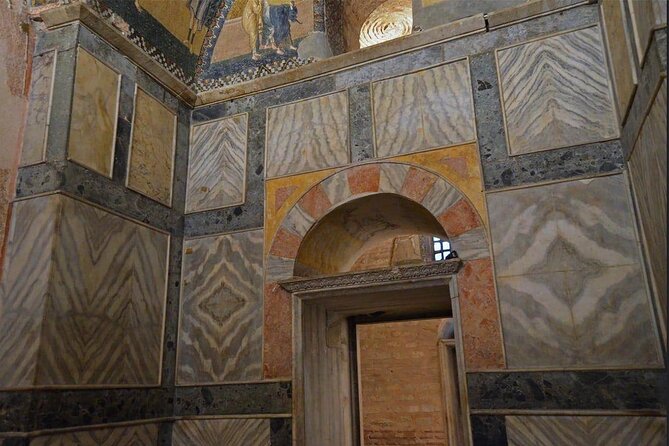
Balat and the nearby Fener area take you through a chain of Greek Orthodox landmarks, and they are useful because they show how Istanbul’s minority communities built their own institutions and identity.
Meryem Ana Greek Orthodox Church
The Meryem Ana Greek Orthodox Church is tied to the Rum, or Greek, Orthodox community. Expect a Byzantine-style approach and an ornate iconostasis. Even from outside, the church looks like it belongs to a serious tradition, and inside the detailing helps you see why people visited and preserved it.
St. George Cathedral, the Patriarchal Center
Next is the St. George Cathedral, also called Aziz George Katedrali. From the outside it is modest, but the interior is where it lands. This cathedral is a spiritual center of the Ecumenical Patriarchate of Constantinople, and it matters because it connects Istanbul to the wider Eastern Orthodox world.
The key idea here is that you are not only looking at a church. You are seeing a headquarters kind of place, with icons and significant religious artifacts, plus a historic patriarchal throne.
The Iron Church: Sveti Stefan (Sveti Stefan Church)
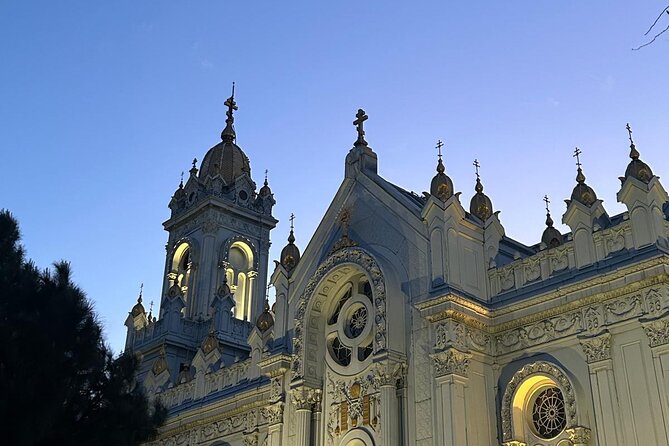
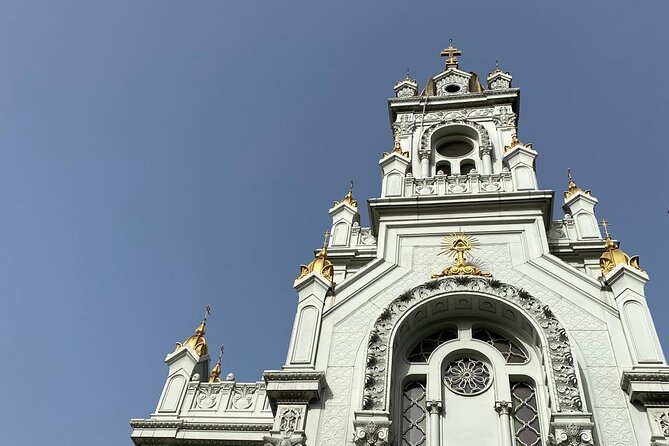
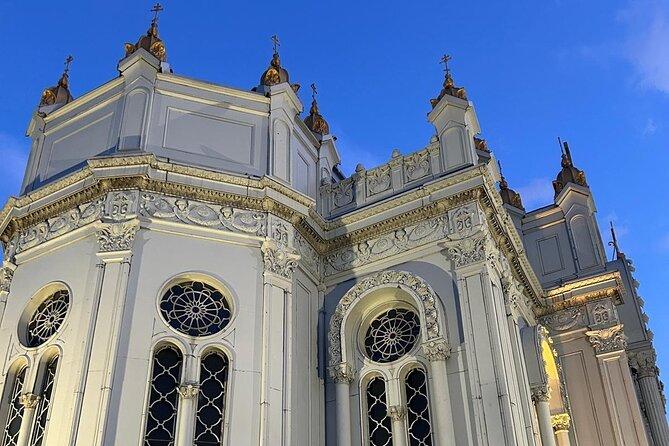
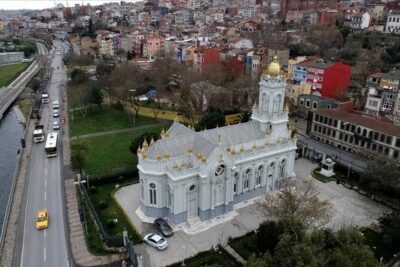
The most unusual stop for most people is Sveti Stefan Church, often nicknamed the Iron Church. It is built by the Bulgarian Orthodox community in the late 19th century and is made from prefabricated cast iron. That is the hook, but what stays with you is how rare it feels. Most churches in Istanbul are stone, marble, or brick. This one is metal, and it shows up like a historical experiment that worked.
Colorful Stairs and the Phanar’s Red Castle School
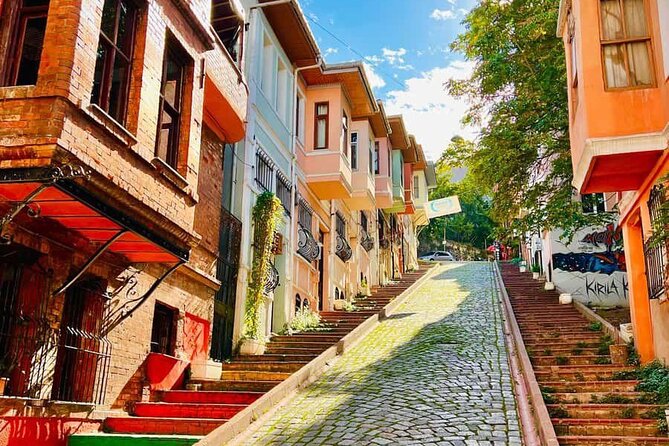
Balat gives you street-level photo moments, but the Colorful Stairs are more useful than just a quick picture. The Renkli Merdiven, the Colorful Stairs, connect steep lanes and help you understand how the neighborhood moves vertically. When you walk them, you get a clearer sense of why the views from certain corners look the way they do.
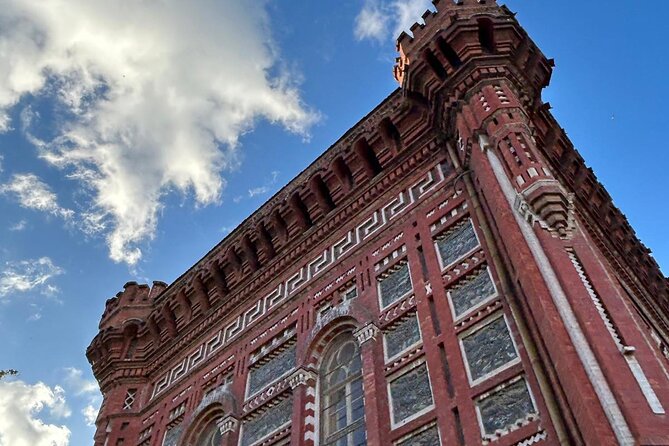
Then the tour shifts toward the Fener side through landmarks like the Fener Greek Orthodox Secondary School and High School. This school, often called the red-brick “Red Castle” or “Castle of the Phanar,” was founded in 1454 and is still operating today as a private minority school.
Even if you do not stop long, the building itself is a statement. It shows that minority communities in Istanbul built long-term institutions, not only temporary worship spaces.
Meeting the Boat: Kabatas Area and the Start of Sunset Time
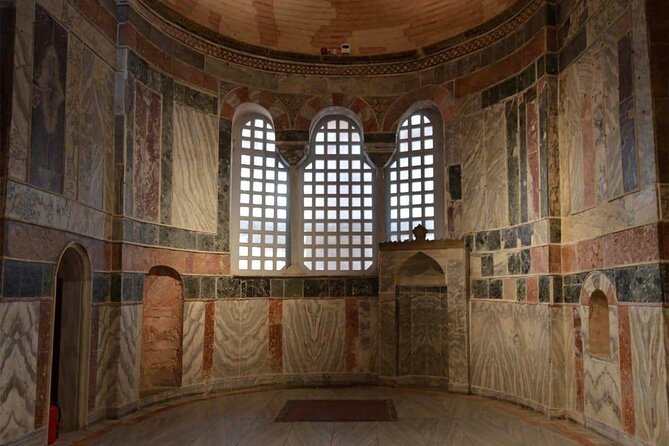
After the land portion, the day funnels toward the water. Your meeting and starting point for the sunset cruise is in the Kabatas area, and the tour ends at Kabatas Square. This finish point is practical because it puts you close to major ferries and public connections for what comes next.
The timing matters. You are heading onto the Bosphorus when the light starts to soften, so bridges and palaces look less like daytime landmarks and more like layered silhouettes.
The Bosphorus Cruise at Golden Hour: Palaces, Bridges, Fortresses
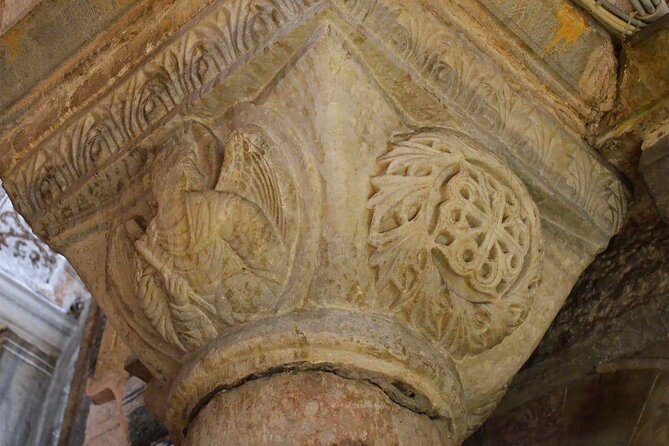
The heart of this experience is the 2-hour sunset Bosphorus cruise. From the boat, you get a way of seeing Istanbul that you simply cannot replicate from the shore, especially for the bigger landmarks that cluster along the strait.
Dolmabahçe Palace and Çırağan Palace from the Water
As you cruise, you will spot Dolmabahçe Palace, built in the Ottoman period as a major administrative center and residence. It is known for its European-style architecture, large ceremonial halls, and crystal chandeliers. From the water, it feels more dramatic because the palace stretches along the shoreline like a stage set.
You also pass Çırağan Palace, originally built as an Ottoman royal palace and later restored into a luxury hotel. The waterfront setting helps you understand why these buildings were so prized.
Ortaköy and the Bosphorus Bridge
The Ortaköy area comes into view next, with the Ortaköy Mosque and the waterfront vibe. Then you move toward big structural landmarks, including the 15 July Martyrs Bridge, also known as the Bosphorus Bridge, completed in 1973. Seeing a suspension bridge in motion, with the city moving behind it, is a different feeling than seeing it from a road.
Fortresses on Both Sides: Rumeli Hisarı and Anadolu Hisarı
Two of the most historic stretches come next: Rumeli Hisarı on the European side, built in 1452 by Sultan Mehmed II to control naval traffic, and Anadolu Hisarı on the Asian side, built in 1395 by Bayezid I for the same kind of control. From the boat, the towers and thick walls feel more strategic than decorative.
Even if you do not memorize dates, you will understand the point. These fortresses were positioned to watch and control the Bosphorus corridor.
Küçüksu, Kuleli, Beylerbeyi, and Üsküdar: The Asian Shore Perspective
As the cruise continues, you will see areas and institutions on the Asian side, including Küçüksu with its Ottoman summer palace Küçüksu Kasrı, and Kuleli Military High School, a historic military academy in Üsküdar founded in 1845. The Beylerbeyi area, with Beylerbeyi Palace, offers a calmer shoreline feel.
You also pass Üsküdar, known for Ottoman-era mosques and seaside promenades, plus the easy access to ferries. This stretch helps you see Istanbul as one continuous city, not two disconnected halves.
Maiden’s Tower and the Final Run toward Kabatas
Near the end comes Maiden’s Tower (Kız Kulesi), positioned on a small islet at the entrance of the Bosphorus. It has served as a lighthouse, watchtower, and defense post, and today it is a popular spot with a café and restaurant. From the boat, it looks like a landmark you should have seen from a postcard, but the angles feel even better in person.
Then you cruise toward the Galata Bridge area and finish with the modern waterfront development Galataport before reaching the Kabatas stop.
Snacks, Boat Comfort, and What the Guide Does During the Ride
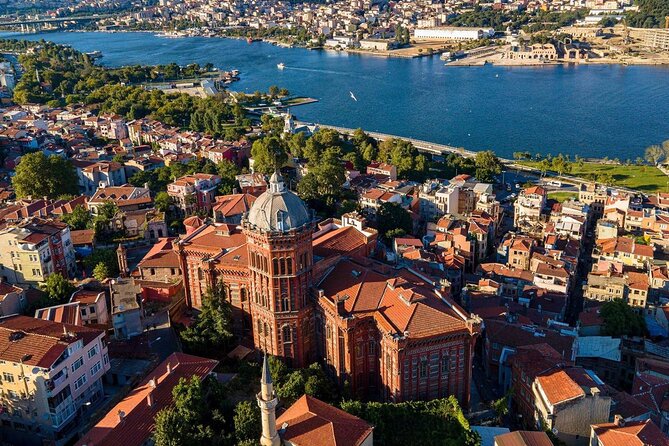
The included food is one of the nice little reasons to do this cruise with a tour. You get cookies, baklava, and nuts, and you also have drinks available while you watch the sunset.
From the experience feedback I’m using to guide my advice here, the boat is typically kept clean and comfortable, and the crew comes across as welcoming and helpful. The commentary is not just names on a map. It is the kind of context that helps you connect what you are seeing to why it exists.
Guide impressions also matter. I’ve seen strong mentions of guides such as Beryl and Betul, with credit for professionalism and for making the whole thing feel easy, not awkward. That matters if you want your cruise to be more than a slow circle.
One honest caution: snack quality seems good for most people, but there can be a sense that it could be better in small ways. If you have strong tastes, consider planning one extra bite after the cruise so you feel totally satisfied.
Price and Value: Is $96.12 Worth It?
For $96.12 per person, you are paying for a blended day: guided walking in the Balat and Chora area plus a 2-hour Bosphorus sunset cruise with snacks and an English-speaking local guide. That is the core value.
Here is what you should factor in beyond the base price:
- Chora Museum admission is not included, and the listed entry cost is $20 per person
- There is also a note about public transportation expenses of €5 per person
- You do get a mobile ticket, which helps you stay organized
So your real cost depends on your museum entry and your transport needs. If you were going to pay for museum access anyway and you want the Bosphorus cruise at sunset, this often stacks up well versus booking those parts separately.
Group size also affects value. With a maximum of 12 travelers, you are more likely to get direct answers and less waiting around than you would on larger boats.
Who This Tour Fits Best
I think this tour is best for you if you want:
- A single day that covers Balat’s synagogues and Greek Orthodox landmarks, plus one major sightseeing payoff on the water
- A guide who explains what you are looking at, instead of leaving you to guess
- A small group experience, ending at a practical spot like Kabatas
It is also a good match if you enjoy photography but do not want to spend the whole day moving from one viewpoint to another. The cruise gives you built-in angles while you relax.
If you hate walking or you strongly prefer to do museums on your own schedule, this might feel a bit structured. You may want to pair it with free time afterward, especially once you arrive back around Kabatas.
Should You Book This Balat and Bosphorus Tour?
I would book it if you want the “two Istanbul’s in one day” effect: Balat’s layered communities on land, then the Bosphorus at sunset with classic palaces, bridges, and fortresses sliding past. The small group size, the English guide, and the included snacks make it feel like a complete outing instead of a rushed hit list.
I would hesitate if you are budgeting tightly and you really want the Chora Museum stop, because admission adds cost. And if you are very picky about food, you might want an extra snack for peace of mind.
FAQ
FAQ
What is the duration of the tour?
It runs for about 5 hours.
What is included in the price?
You get a professional local English tour guide, a 2-hour Bosphorus sunset cruise, and some snacks during the cruise such as cookies, baklava, and nuts.
Is Chora Museum admission included?
No. Admission for the Chora Museum is not included, and the listed entry cost is $20 per person.
Are public transportation costs included?
No. Public transportation tickets and expenses are listed as €5.00 per person.
Where does the tour start?
The start point is at Kariye Mosque, Derviş Ali, Kariye Cami Sk. No:18, 34087 Fatih/İstanbul, Türkiye.
Where does the tour end?
The tour ends at Kabatas Square (Kabataş), Meclis-i Mebusan Cd., 34427 Beyoğlu/İstanbul, Türkiye.
Is there a mobile ticket?
Yes, the tour includes a mobile ticket.
How many people are in the group?
The maximum group size is 12 travelers.
What is the cancellation policy?
Free cancellation is available. You can cancel up to 24 hours in advance for a full refund, based on the experience local time.
Newest tours in Istanbul
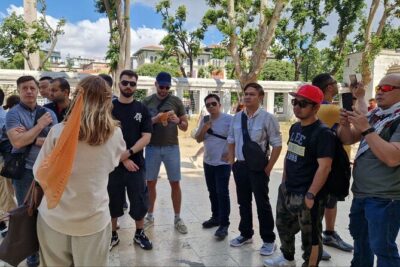
Balat Tours, compared.
Colorful Fener & Balat Walking Tour w/Expert Guide
Read our review →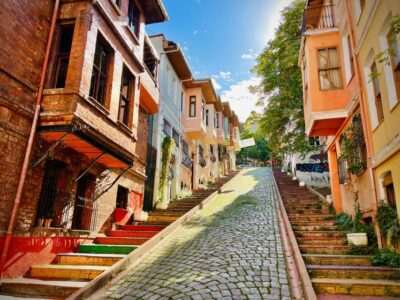
Fener, Balat, Old Greek and Jewish Quarter Tour
Read our review →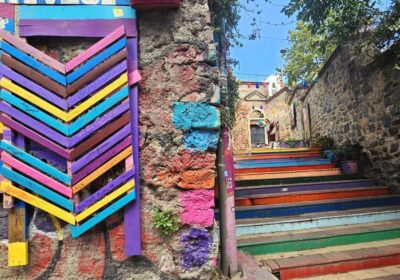
Fener & Balat Guided Tour through Colored Streets
Read our review →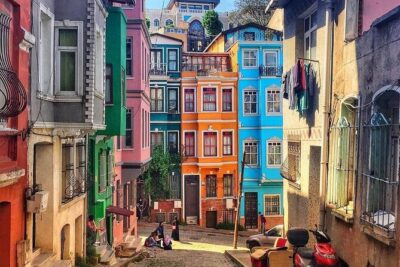
Istanbul City Walk: Colors, Culture & History Fener Balat Tour
Read our review →Browse the lists this tour appears in