
Reviewed · MUSEUMS
Turkish and Islamic Arts Museum: Entry Ticket & Audio Guide
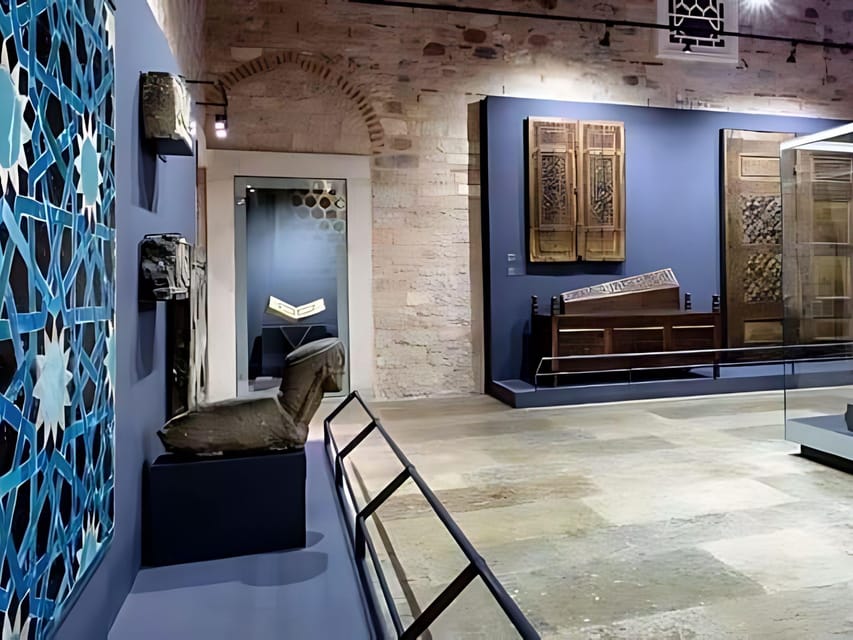
A few hours in this museum will change how you see everyday objects. I love the way the carpet collection turns craft into story, and I also love the audio guide that helps you connect what you are seeing to the Islamic art world. The setting, Ibrahim Pasha Palace, adds weight without needing extra effort, but be aware you may still face an entrance line and the audio guide needs prep.
The biggest practical win here is a self-paced visit that uses a QR ticket and an audio guide in 25 languages. You get a wide sweep of Islamic art, from textiles and manuscripts to ceramics, glass, metalwork, and calligraphy, plus religious relics. One drawback is tech timing: if your audio guide download is blocked or you arrive without working access, you can lose part of the experience.
In This Review
- Key Points to Know Before You Go
- Turkish and Islamic Arts Museum: What You Really See Inside
- QR Entry Ticket and the 25-Language Audio Guide Setup
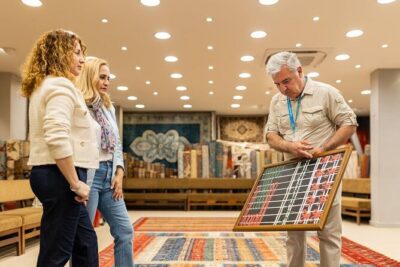
- Carpets and Rugs: The Museum’s Best Starting Point
- Manuscripts and Calligraphy: Words With Physical Weight
- Ceramics, Glass, and Metalwork: How Workshops Turned Craft Into Culture
- Religious Relics: The Beard Fragment and a Footprint
- Location and Getting There From Blue Mosque Area
- How Much Time This Takes and How to Plan Your Route
- Price and Value: Is $28 Worth It?
- Who This Museum Fits Best
- The Bottom Line: Book It or Skip It
- FAQ
- Where is the Turkish and Islamic Arts Museum?
- How do I get there using public transport?
- What is included in the ticket price?
- What languages are available for the audio guide?
- Do I need the QR codes and audio guide link?
- Can I skip security lines with this QR ticket?
Key Points to Know Before You Go

- Ibrahim Pasha Palace setting: The museum sits inside a well-known 16th-century landmark, not a random gallery building.
- Skip-the-line QR ticket, but not security: You can speed up entry, but security lines are still mandatory.
- Carpets and rugs are a highlight: You can trace styles from Seljuk designs to Ottoman masterpieces through textiles and patterns.
- 25-language audio guide: You can follow along in English, Arabic, Persian, Russian, and many more.
- Religious relics are part of the story: Items like a fragment associated with the Prophet Muhammad’s beard and a footprint are included.
- Sultanahmet location is easy to reach: It is near the Blue Mosque, with tram and ferry options close by.
Turkish and Islamic Arts Museum: What You Really See Inside
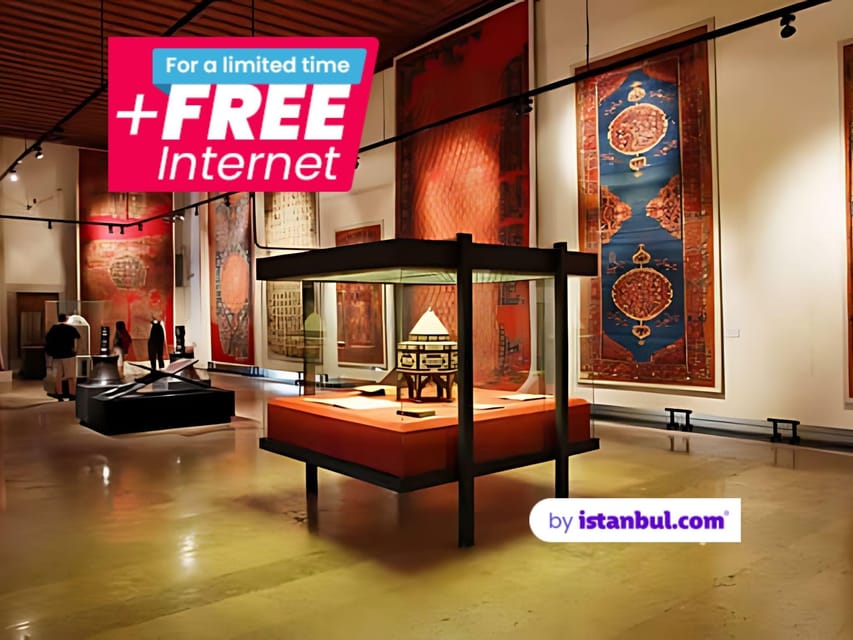
The Turkish and Islamic Arts Museum is in the Marmara Region of Turkey, in Istanbul’s Sultanahmet area, and it is housed in the Ibrahim Pasha Palace. That matters because you are not only looking at objects. You are also standing in a historic structure that helps you feel the long timeline behind the art.
Your visit is designed to be self-guided. That means you can slow down for textiles, jump ahead to calligraphy, or spend extra time with the manuscripts and workshop crafts if that is your thing.
The museum’s core theme is Turkish and Islamic art across centuries and regions. You will notice the collection is built to connect design and materials, not just list dynasties and dates.
Empires' worth of artifacts under one roof
- Istanbul: Hagia Sophia Skip-the-Line Ticket & Museum Option
★ 3.7 · 4,958 reviews - Istanbul: Hodjapasha Whirling Dervishes Show & Exhibition
★ 4.4 · 4,790 reviews - Istanbul Hodjapasha Whirling Dervishes Show & Exhibition
★ 4.0 · 503 reviews
QR Entry Ticket and the 25-Language Audio Guide Setup
This experience includes an audio guide in 25 different languages, and the format is simple: you use a QR entry ticket plus a link to the audio guide. You receive the entry ticket QR codes and the audio guide link by separate email from the Istanbul Tourist Pass supplier, so plan for two messages in your inbox.
Here is the key practical point: you cannot skip security lines. Even with a skip-the-line QR ticket, there can be an entrance line and you must go through security like everyone else. The advantage is that you are not fighting the general ticket crowd the same way.
I strongly suggest you test the audio guide download before you reach the museum. One past visitor ran into an Apple security block when trying to download a same-day ticket, then got stuck without working access on site. If you want the full experience, download or verify access on Wi-Fi ahead of time.
Also, bring headphones. The museum is calmer than street noise, but it is still a real public space. If you are relying on sound from your phone speaker, you will miss details from the guide.
Carpets and Rugs: The Museum’s Best Starting Point
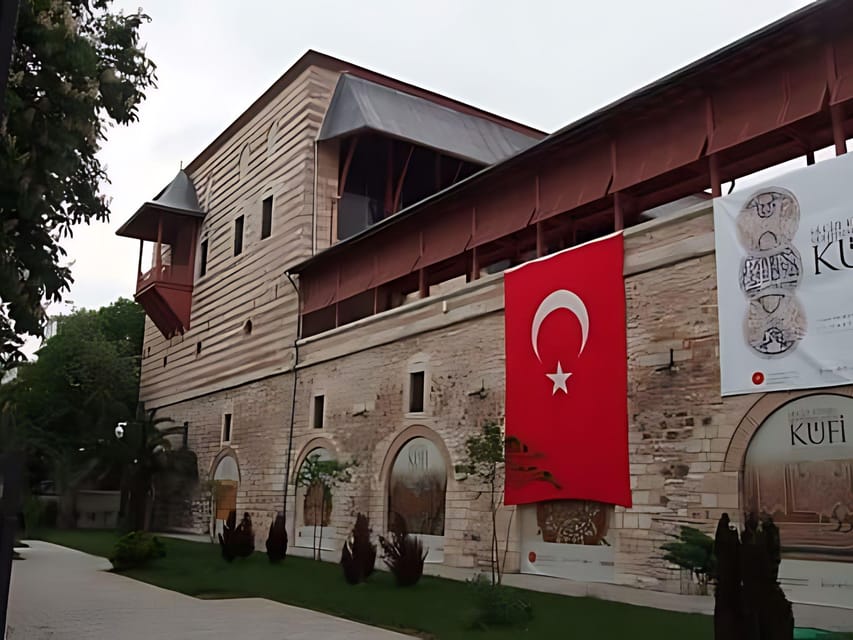
If you have ever wondered why Islamic art textiles can feel so powerful, start with the carpets. This museum’s carpet and rug collection is one of the biggest reasons people enjoy the visit, because the designs are not decorative extras. They are visual language.
You can expect to see intricate patterns and strong color combinations, with designs that connect to major periods of Islamic art. The museum includes examples ranging from Seljuk designs to Ottoman masterpieces, so you can spot how styles shift over time.
I like going to the carpets early because it sets your eye. After you see how textiles repeat motifs with intention, the rest of the museum makes more sense. Calligraphy choices, decorative shapes in ceramics, and even metalwork patterns start to feel like part of one design system.
Practical tip: when a carpet catches your eye, take 10 seconds and zoom in mentally. Look for border patterns, repeated shapes, and how the center compares to the edges. The audio guide helps here, especially if you match the guide topic to what you are seeing in front of you.
Manuscripts and Calligraphy: Words With Physical Weight
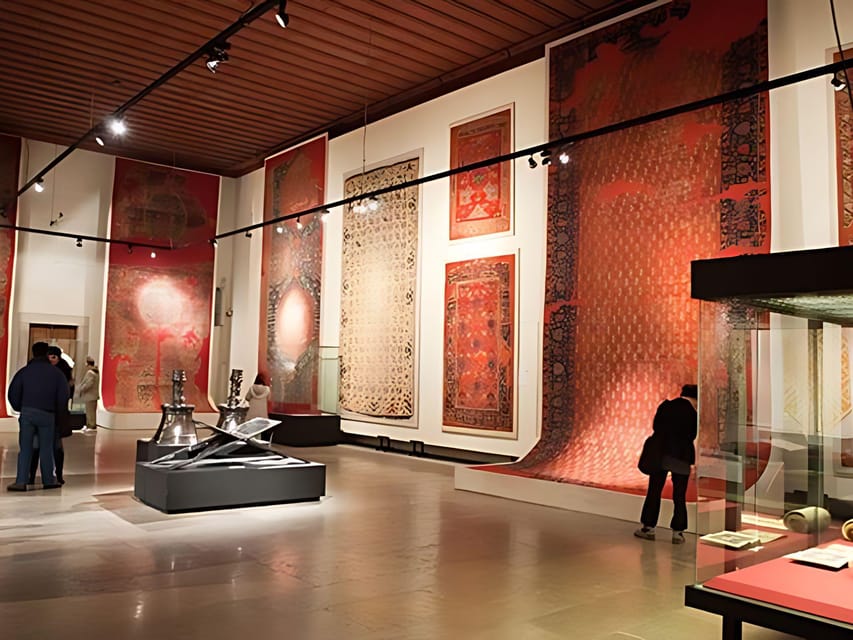
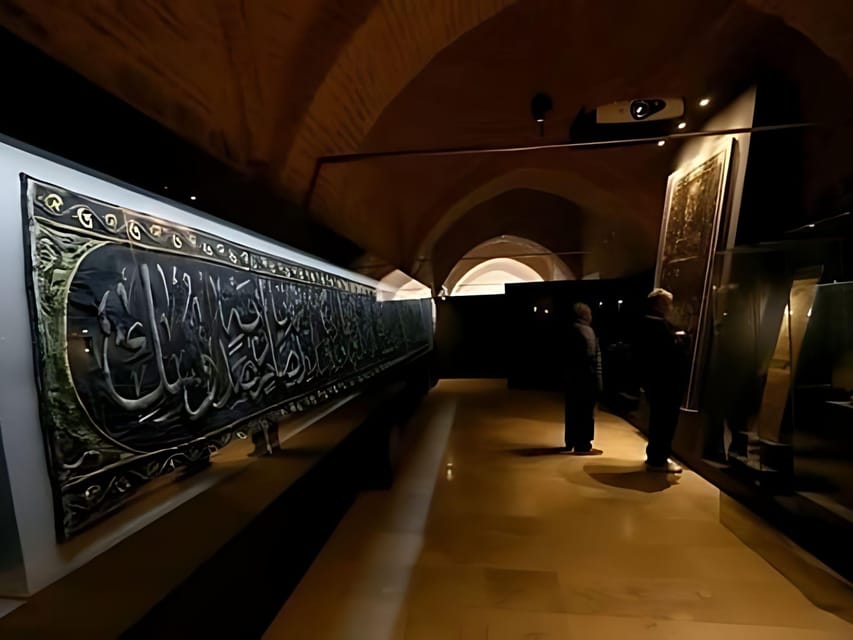
Beyond textiles, the museum includes artifacts connected to ancient manuscripts and calligraphy. This is where the experience shifts from pattern to meaning, because handwriting in Islamic art is often treated like art you can read with your eyes.
Even if you do not read Arabic or Persian, you can still appreciate structure: the way letters curve, the balance of thick and thin strokes, and how the page composition guides your gaze. Manuscripts also tend to feel tactile in concept, even behind glass, because they were made for handling and preservation.
The audio guide is helpful here because it gives context for what you are looking at, so you are not guessing what a manuscript fragment represents. If you only have limited time, prioritize the calligraphy and manuscript sections first, then let the crafts fill in the rest.
Ceramics, Glass, and Metalwork: How Workshops Turned Craft Into Culture
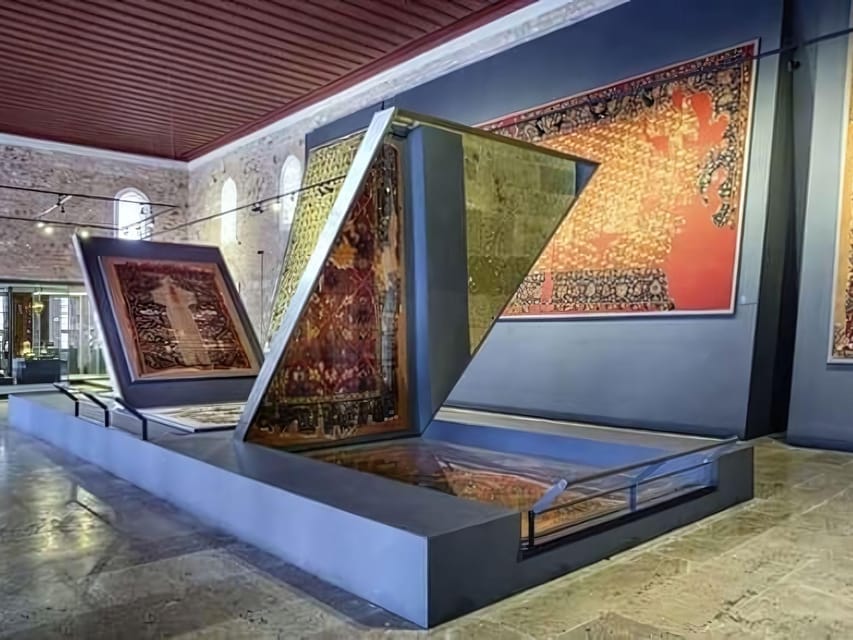
The museum does not treat art as one category. It treats it like a set of skills spread across materials and workshops. You will see sections dedicated to ceramics, glasswork, and metalwork, plus other decorative arts.
This is a good stop for you if you like noticing craft details. Ceramic glazes can show how artists handled color, shine, and surface texture. Glasswork often carries a different kind of precision, with light playing a role in the look of objects. Metalwork can feel bold because of reflected highlights and the way patterns appear through shape and finish.
What I like about this museum is that these crafts feel connected. You get a sense that Islamic art often uses the same design instincts across different materials, rather than changing styles from one exhibit to the next.
More of Istanbul beyond the obvious sights
- Istanbul: Daytime or Sunset Sightseeing Cruise & Audio Guide
- Istanbul: Basilica Cistern Fast-Track Entry and Audio Guide
- Topkapi Palace and Harem Skip-the-Line-Tickets & Audio Guide
- Istanbul: Bosphorus Sightseeing Cruise Tour with Audio Guide
- Istanbul: Hagia Sophia Entry Ticket with Audio Guide
- Istanbul: Topkapi Palace and Harem Ticket with Audio Guide
Religious Relics: The Beard Fragment and a Footprint
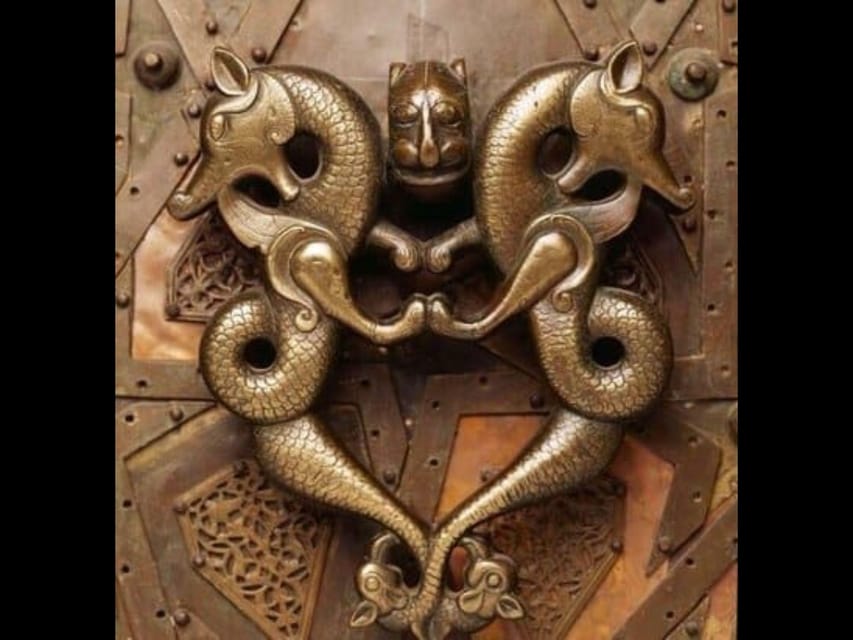
One of the more striking parts of the collection is the inclusion of religious relics, including a fragment associated with the Prophet Muhammad’s beard and a footprint. These items are emotionally significant, and they attract visitors because they are tied to faith and historical memory.
If you are not sure how to approach relics in a museum setting, go in with respect and a little patience. Read what is presented, let the audio guide give the background, and then decide how long you want to stay. Some people move fast through relic displays, while others linger, and both styles can work.
This section can also change how you interpret the decorative art around it. Once you see relics as part of the story of belief and remembrance, you often start noticing how other objects communicate meaning through design.
Location and Getting There From Blue Mosque Area
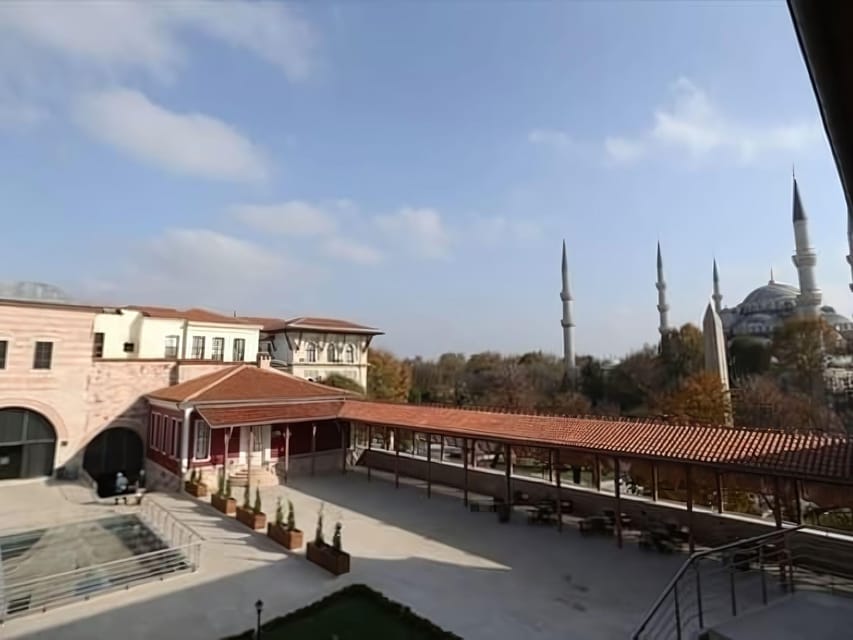
The museum is in Sultanahmet Square, very close to the Blue Mosque, in the Fatih district. That is one of the best perks, because you can combine it with other classic sights nearby without spending extra time commuting.
Public transit is straightforward. The most common route is to use the Kabatas to Bagcilar tramway and get off at Sultanahmet station, then walk about 5 minutes.
If you are coming from the Asian side, you can use ferries to Eminonu from either Kadikoy or Uskudar, then continue by tram or walking depending on your route.
My practical advice: plan your day so you arrive when you can breathe. Since there can be an entrance line and security checks are mandatory, give yourself a small buffer around your arrival time, especially if you are pairing this with another major landmark right after.
How Much Time This Takes and How to Plan Your Route
The ticket is valid for 1 day, so it fits neatly into an Istanbul itinerary. What you should not do is rush. This museum rewards pacing because the collection is broad, and the audio guide is designed for exactly that.
If you want a smart structure, I suggest you choose a priority order:
1) Start with carpets and rugs, because they set your visual expectations.
2) Move to calligraphy and manuscripts, so you shift from design to meaning.
3) Finish with crafts like ceramics, glass, and metalwork.
4) If you want the most emotional impact, save relics for when you are ready to slow down.
If you are short on time, focus on the audio guide topics you care about most. The guide is available in many languages, so it is easier to stay on track without getting lost in reading-only labels.
Price and Value: Is $28 Worth It?
The price is listed at about $28 per person and the duration is set as 1 day, with the audio guide included. The main value here is not just the admission, it is the format: QR entry plus a multi-language audio experience means you can travel at your own speed without needing a live guide.
Compared to a guided tour you might feel locked into a schedule, with this option you can spend extra minutes where you genuinely care. If you like visual detail, carpets and workshop crafts can easily justify time. If you care about context, the audio guide in 25 languages helps you make sense of what you are seeing.
Where the price can feel less worth it is if your audio guide access fails on your phone. So the best way to protect your value is to download or verify access before you go, and bring a plan B if your data connection is weak.
Who This Museum Fits Best
I think this works especially well for you if:
- You like self-paced museum visits and can spend a few calm hours inside.
- You care about art objects you can see up close, like textiles, manuscript pages, and decorated crafts.
- You want context without paying for a live guided tour.
- Your group includes people who speak different languages, since the audio guide offers many options.
It is also a solid choice if you are already in Sultanahmet for the Blue Mosque and nearby attractions. The location makes it easy to slip into a day.
If you hate museum crowds or tech dependency, you might feel annoyed by the mandatory security lines and the chance of an entrance line. In that case, adjust your arrival time and plan your audio access in advance.
The Bottom Line: Book It or Skip It
I recommend booking this if you want a high-context, self-guided museum day in a historic palace setting. The audio guide in 25 languages is the big win, and the carpets plus calligraphy sections give you both visual impact and meaning. At $28, you are paying for more than entry, you are paying for the ability to understand the objects as you go.
Skip it only if you know you will not be able to download or use the audio guide on your phone before arrival. In that case, you might still enjoy the museum’s objects, but you will lose the guide support that makes the visit easier to follow.
If you do book, make one small prep move: get the audio guide working before you walk into Sultanahmet.
FAQ
Where is the Turkish and Islamic Arts Museum?
It is located in Sultanahmet Square, very close to the Blue Mosque in Istanbul’s Fatih district.
How do I get there using public transport?
A common option is the Kabatas to Bagcilar tramway, get off at Sultanahmet station, then walk about 5 minutes.
What is included in the ticket price?
The experience includes an entry ticket plus an audio guide in 25 different languages.
What languages are available for the audio guide?
The audio guide is available in English, German, Russian, Persian, Arabic, French, Italian, Chinese, Dutch, Spanish, Hindi, Romanian, Ukrainian, Korean, Turkish, Bulgarian, Polish, Swedish, Japanese, Indonesian, Greek, Hungarian, Portuguese, Urdu, and Croatian.
Do I need the QR codes and audio guide link?
Yes. You receive both entry ticket QR codes and the audio guide link via separate email from the Istanbul Tourist Pass supplier.
Can I skip security lines with this QR ticket?
No. You cannot skip the security lines, even though the ticket is described as skip-the-line at the main ticket flow.
More Audio Tours in Istanbul
- Hagia Sophia Skip-the-Line Ticket & Blue Mosque Audio Guide★ 4.1 · 1,879 reviews
- Istanbul: Dolmabahce Palace and Harem Fast-Track & Audio★ 4.7 · 1,772 reviews
- Istanbul: Bosphorus Cruise w/Audio Guide and Sunset Option★ 3.9 · 1,758 reviews
- Istanbul: Basilica Cistern Skip-the-Line Entry & Audio Guide★ 4.6 · 1,477 reviews
- Istanbul: Hagia Sophia Skip-the-Ticket Line & Audio Guide★ 4.3 · 1,469 reviews
Newest tours in Istanbul


Museums, compared.
Hagia Sophia Skip-the-Line Ticket & Museum Option
Read our review →
Hodjapasha Whirling Dervishes Show & Exhibition
Read our review →Istanbul Hodjapasha Whirling Dervishes Show & Exhibition
Read our review →
Topkapi Palace and Harem Museum Tour with Ticket
Read our review →
Hagia Sophia Mosque and Museum Skip-The-Line Combo
Read our review →
Hagia Sophia History Museum Entry with Audio Guide
Read our review →

Istanbul Archaeological Museums Entry Ticket & Audio Guide
Read our review →Browse the lists this tour appears in