
Reviewed · GALLIPOLI TOURS
TROY and GALLIPOLI Day Trip from ISTANBUL and return
Two ancient battlefields, one long day. This Troy and Gallipoli route strings together legend and archaeology at Troy, then moves on to the WWI memorial grounds at Gallipoli, with Troy and Gallipoli both handled with real context. It is a true day trip that takes you far past Istanbul, yet keeps the stops tight and meaningful.
I especially like how the visit is guided, not just walked. Salma, the English-speaking guide, is described as professional and story-driven, and she ties the big myths like Helen of Troy and the Trojan Horse to what you can actually see on the ground, then shifts into a more reverent tone for Gallipoli.
The main drawback is simple: this is a long day (about 15 to 17 hours) and it depends on weather. Also, breakfast and drinks (soda and alcohol) are not included, so plan for your early start and your thirst.
In This Review
- Key things that make this trip worth your time
- A full Istanbul to Troy to Gallipoli schedule that still feels organized
- Troy (Truva): Trojan legends with 3,700-year-old city walls
- The Troy stops you will actually see, and why each one matters
- Gallipoli Battlefield: cemeteries, beaches, museums, and memorials in one route
- Kabatepe, the beaches, and the cemeteries that make the story stick
- Lone Pine, Johnston’s Jolly, and the Turkish memorial markers
- The Nek and Chunuk Bair: final stops for the campaign’s high points
- Lunch in Eceabat: a break that keeps the day humane
- Price and value: what $850 per person really buys
- Comfort and timing: the practical side of a 15 to 17 hour day
- Who this day trip is best for
- Should you book this Troy and Gallipoli day trip from Istanbul?
- FAQ
- How long is the Troy and Gallipoli day trip from Istanbul?
- Is the tour offered in English?
- Do they provide pickup from Istanbul?
- Is this tour private?
- What meals are included?
- Are admission tickets included?
- What transportation and crossing costs are covered?
- Which major places do you visit at Troy?
- Which major places do you visit at Gallipoli?
- What is the cancellation and change policy if weather or minimum travelers are an issue?
Key things that make this trip worth your time
- Trojan Horse meets real ruins, not just a quick photo stop
- Troy spans Troy I through Troy IX, with visible remains and ongoing excavations
- Gallipoli includes both museums and key beaches, plus cemeteries and memorial sites
- You hit ANZAC Cove, Lone Pine, The Nek, and Chunuk Bair, all in one organized route
- Johnston’s Jolly connects trench life to the story, with Turkish and Allied context
- Lunch at Maydos Restaurant in Eceabat plus bridge and ferry fees are included
A full Istanbul to Troy to Gallipoli schedule that still feels organized
This is the kind of day trip that sounds intense on paper, and it is. Still, the way the route is built makes sense: it starts with Troy, then crosses over to the Gallipoli peninsula for the WWI sites. You get a clear handoff between the myth-and-archaeology focus of Troy and the solemn memorial focus of Gallipoli.
The tour runs about 15 to 17 hours, and you should treat it like an all-day effort. That means you will want comfortable shoes, water for the ride, and a plan for snacks beyond the included lunch.
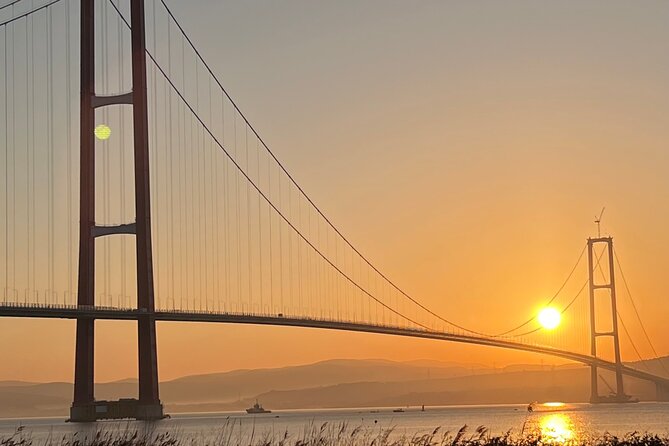
The good news is the logistics are handled for you. Private transportation, air-conditioned comfort, and ferry and toll costs are covered, plus the 1915 Çanakkale Bridge fee is included. That turns what could be a stressful solo day into something you can actually enjoy.
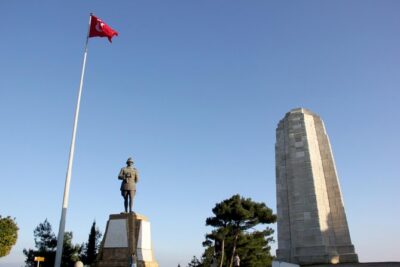
Battlefields and memorials from the peninsula campaign
- Istanbul to Gallipoli Full Day Tour with Lunch and Transfers
★ 5.0 · 567 reviews - Gallipoli Full-Day Tour from Istanbul
★ 4.9 · 468 reviews - From Istanbul: Gallipoli and Anzac Full-Day Tour
★ 4.9 · 345 reviews
Troy (Truva): Trojan legends with 3,700-year-old city walls
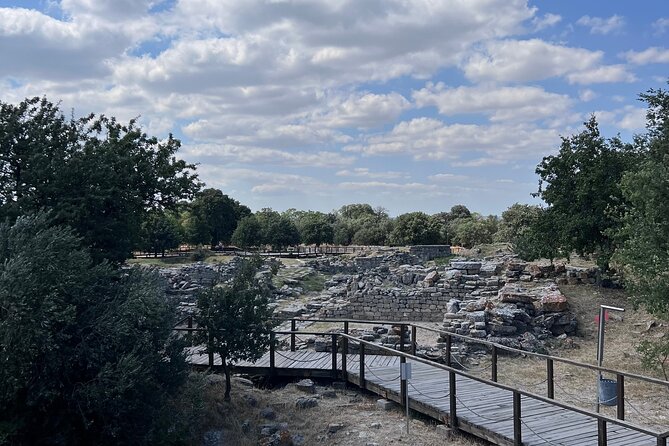
Troy is one of those places where the imagination shows up before you even start walking. Here, the big names you may have heard in school, like the Trojan Horse and Helen of Troy, are tied to a site that spans multiple eras. You are not just touring “the legend,” you are touring layered remains from different Troy periods.
One of the strongest reasons to go with a guide is how it is framed. Troy is myth and archaeology at the same time, and a good guide helps you keep the two straight. Salma’s style, as described, is especially effective for that, with history told through stories while still respecting what the ruins can show.
You get around two hours at Troy, which is short but practical for a day built on long travel. You’ll cover the big anchors, then the guide helps you connect them into a bigger picture.
The Troy stops you will actually see, and why each one matters
Here is what you can expect to learn and look for at Troy, and what the stop means in plain terms:
The Trojan Horse and the Helen of Troy story
These are the headline myths, but the point on-site is to understand how later storytelling stuck to the idea of Troy. You will hear about the Trojan Wars and the famous figures linked to the conflict, including the battle between Achilles and Paris.
Sacrificial Altars
This is one of those stops that can be easy to miss if you are rushing. When you pause here, it signals that this was not just a city of walls and streets. It also mattered as a place where religious practice and communal rituals played a role.
City walls from a very ancient Troy
The walls are described as about 3,700 years old, and that age is the real wow factor. It helps you shift from “myth location” to “human settlement that lasted.” Standing near the remains of fortifications gives you a tangible sense of why Troy mattered enough to be fought over.
Houses of Troy I (3000 B.C. to 2500 B.C.)
When you hear about Troy I, you get a time anchor. The houses from this early phase help you picture daily life, not just dramatic battles.
The Bouleterium (Senate Building) and the Odeon (Concert Hall)
These structures help you recognize Troy as a functioning society. A senate building implies governance, and an odeon implies public culture, so the site starts to feel less like a stage set and more like a place where people argued, met, and gathered for events.
Current excavations in progress
Seeing ongoing digging changes how you experience the ruins. It signals that Troy is still being studied, not treated like a finished museum display.
Remains from Troy I through to Troy IX
This is the big structural idea you should keep in your head: Troy did not “start and end” in one moment. The remains across multiple Troy phases show how a city can be rebuilt, repurposed, and layered over time.
At the end, you should walk away with one clear takeaway: Troy is not one story. It is multiple time periods piled together, with myth attaching itself to the most famous thread.
Gallipoli Battlefield: cemeteries, beaches, museums, and memorials in one route
After Troy, you head to the Gallipoli area and arrive in Eceabat. From there, the Gallipoli portion focuses on WWI sites tied to the ANZAC campaign. The visit is about five hours, with admission tickets included.
This part of the day is different in tone. Troy is myth meeting earth. Gallipoli is earth meeting memory. You will want to move slower, read more, and keep your voice down where other people do the same.
The route includes a well-paced mix of museum learning and on-location sites, so you get both the background and the geography.
Kabatepe, the beaches, and the cemeteries that make the story stick
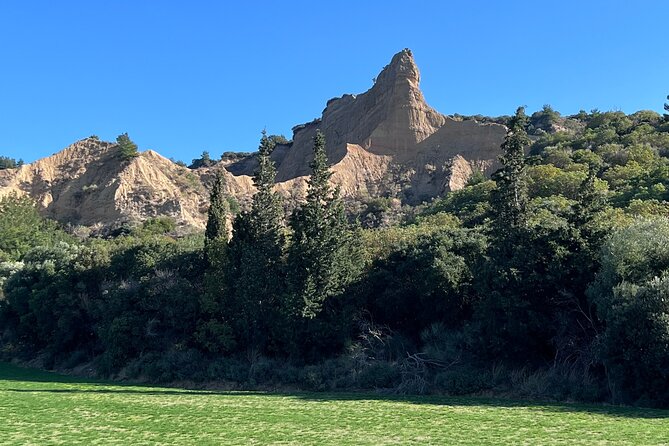
A common mistake on Gallipoli is trying to “do it all” without structure. Here, the order helps you build understanding.
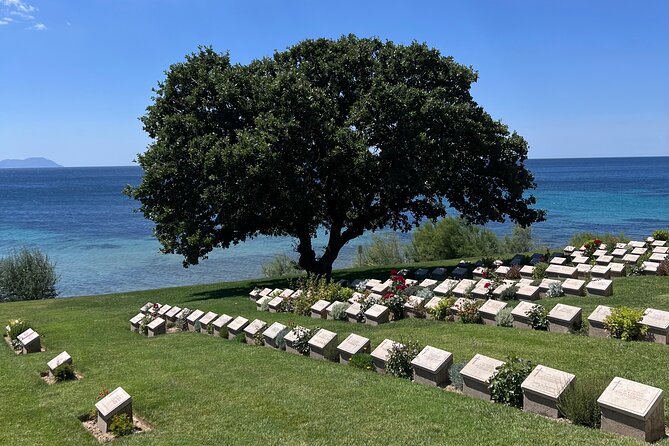
You start with the Kabatepe War Museum. That gives you a foundation before you move out to the shoreline sites. Then the plan moves to Brighton Beach and the Beach Cemetery, two stops that make the human cost harder to ignore because they tie the fighting to a specific stretch of coast.
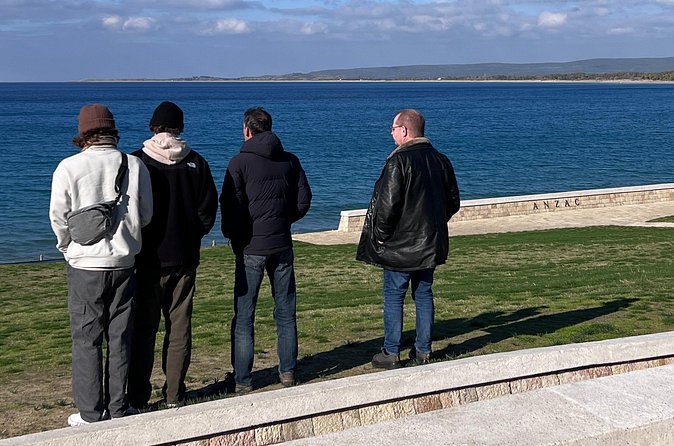
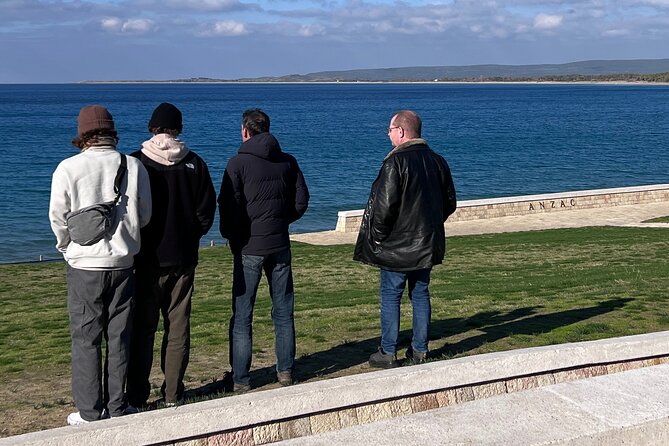
From there, you reach ANZAC Cove. This is a key name on the map for the whole campaign. Standing nearby helps you connect the written account to the reality of landing under fire.
Next comes Ariburnu Cemetery and the ANZAC Commemoration Site. These places are about remembrance, but also about place-based storytelling. You see how geography shapes where events happened, and where the dead were laid to rest.
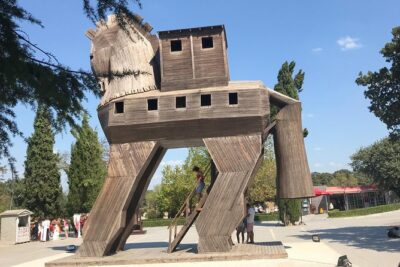
The wooden horse story, on the actual ground
Lone Pine, Johnston’s Jolly, and the Turkish memorial markers
The route continues to Lone Pine Australian Memorial. This is one of those sites where the scale of commemoration can hit hard. It is also a good reminder that this was not a one-sided story.
Then you visit Johnston’s Jolly, which is described as Turkish and Allied trenches and tunnels. This matters because it shifts the focus from “the beach” to the reality of war on the ground, with cramped movement and hard conditions beneath and around defensive lines.
From there, you see the 57th Regiment Turkish Memorial. Including a Turkish memorial on the same loop is important. It keeps the story from becoming only an Allied narrative.
The Nek and Chunuk Bair: final stops for the campaign’s high points
Two late stops tie the route together: The Nek and Chunuk Bair New Zealand Memorial.
These locations are strong because they reflect how the fighting moved across terrain, not just along the coast. A name like The Nek can feel abstract until you are standing close to the route and realizing how difficult movement and supply would have been.
Chunuk Bair closes the loop with the New Zealand memorial component. Taken together with ANZAC Cove, Lone Pine, and Ariburnu, you end the day with a clearer sense of the campaign’s major points, not just a list of names.
Lunch in Eceabat: a break that keeps the day humane

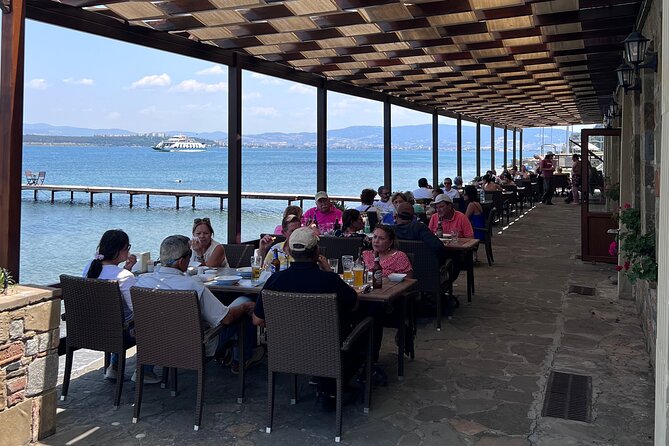
Lunch is included at Maydos Restaurant in Eceabat. That is a real value item because it saves you from hunting down food after a long morning and a drive that takes the whole day.
One practical note: soda and alcohol are not included, and breakfast is not included either. So if you do not want to spend extra money at stops you cannot predict, plan on bringing a snack for the ride, and decide what you want to drink during lunch.
The sea-side setting is also a smart reset. You still have more ground to cover after lunch, but you get a moment to sit, eat, and reset your legs.
Price and value: what $850 per person really buys
Let’s talk value without pretending the price is cheap. At $850 per person, this day trip sits in the higher range. The question is what is included, and how much it saves you.
Here is what you get that adds up:
- Private transportation in an air-conditioned vehicle
- Ferry tickets and toll charges
- 1915 Çanakkale Bridge fee
- Admission tickets included at Troy and at the Gallipoli battlefield sites
- Lunch at Maydos Restaurant in Eceabat
- A guided day in English, with pickup offered
- Mobile ticket and the tour is private for your group
If you tried to stitch this together yourself, the hardest parts are not only tickets. It is coordinating transport across the water, covering the bridge crossing, timing admissions, and keeping the route coherent so you do not waste time. This tour gives you a single plan, one guide focus, and a route that hits both places in one day.
Where you should be honest with yourself is this: you are paying for convenience and structured context. If you prefer slow travel and independent wandering, you might feel rushed. If you want one guided day that handles everything, the value is easier to justify.
Comfort and timing: the practical side of a 15 to 17 hour day
You should expect a lot of sitting time and a lot of walking time. The Troy and Gallipoli stops each have their own rhythm, and you will likely do short walks between specific points more than long open-ended wandering.
Wear shoes that you trust. Bring a hat or sunscreen for Troy and the open-air beach and cemetery areas at Gallipoli. Even in cooler seasons, you can still feel exposed when you are standing outside reading memorials.
Because breakfast is not included, consider eating before pickup. And because soda and alcohol are not included, decide early whether you want to budget for drinks at lunch.
Also remember the tour requires good weather. If weather is poor, you will be offered a different date or a full refund. Plan for the possibility of a reschedule if your travel dates are tight.
Who this day trip is best for
This is a great fit if you want:
- One organized day that connects Troy’s mythic fame to real excavations
- A structured Gallipoli route that includes museums, beaches, cemeteries, and memorials
- An English-speaking guide who can explain what you are seeing and keep the tone appropriate at each site
It also works well for small groups because it is private, with group discounts mentioned. If you are traveling with friends who want history and do not mind a long day, this route makes a lot of sense.
If you hate early starts, or if long drives and long site time wear you down fast, you might prefer splitting the trip into separate visits on different days. Gallipoli alone deserves slow attention.
Should you book this Troy and Gallipoli day trip from Istanbul?
Book it if you want a guided, high-structure day that covers two major destinations in one go, with admissions and transport handled for you. The mix of Troy’s myth plus visible archaeological remains, then Gallipoli’s beaches plus cemeteries plus memorials, is a smart pairing for people who like meaning, not just photos.
Skip or rethink it if you want flexible pacing, you are sensitive to long days, or you plan to travel very lightly and do not want to manage food and drinks beyond lunch. Since breakfast and drinks are not included, budgeting matters.
If your dates are weather-sensitive, keep your plans flexible. The day depends on good weather, but there is a path to a different date or a full refund if it cannot run.
In short: this is a serious history day trip with real value in guided structure. If that is your style, you will likely feel glad you did it.
FAQ
How long is the Troy and Gallipoli day trip from Istanbul?
It runs about 15 to 17 hours.
Is the tour offered in English?
Yes, it is offered in English.
Do they provide pickup from Istanbul?
Pickup is offered.
Is this tour private?
Yes. It is private, so only your group participates.
What meals are included?
Lunch is included at Maydos Restaurant in Eceabat. Breakfast is not included, and soda or alcohol are not included.
Are admission tickets included?
Admission tickets are included for Troy and for the Gallipoli battlefield sites.
What transportation and crossing costs are covered?
Private transportation is included, along with ferry tickets and toll charges, and the 1915 Çanakkale Bridge fee.
Which major places do you visit at Troy?
You visit Troy (Truva) and see highlights such as the Trojan Horse, Helen of Troy, the Trojan Wars, Achilles and Paris, sacrificial altars, city walls, houses of Troy I, the Bouleterium (Senate Building), the Odeon (Concert Hall), and current excavations, plus remains from Troy I through Troy IX.
Which major places do you visit at Gallipoli?
You visit the Kabatepe War Museum, Brighton Beach, Beach Cemetery, ANZAC Cove, Ariburnu Cemetery, ANZAC Commemoration Site, Lone Pine Australian Memorial, Johnston’s Jolly, the 57th Regiment Turkish Memorial, The Nek, and Chunuk Bair New Zealand Memorial.
What is the cancellation and change policy if weather or minimum travelers are an issue?
The experience is non-refundable and cannot be changed for any reason. If it is canceled due to poor weather, you will be offered a different date or a full refund. If it is canceled because the minimum number of travelers is not met, you will also be offered a different date or a full refund.
More 1-Day Tours in Istanbul
- From Istanbul: Sapanca and Masukiye Day Trip with Lunch★ 4.0 · 1,036 reviews
- All in One Day Istanbul – Historical Tour of Istanbul with Bosphorus Cruise★ 5.0 · 489 reviews
- Istanbul: Bursa & Uludag Mountain Day Trip w/ Opt. Cable Car★ 3.7 · 447 reviews
- Istanbul Shore Excursion: Istanbul in One Day Sightseeing Tour★ 4.0 · 273 reviews
- From Istanbul: Day Trip to Cappadocia with Flight & Lunch★ 4.6 · 182 reviews
Newest tours in Istanbul



Gallipoli Tours, compared.
Istanbul to Gallipoli Full Day Tour with Lunch and Transfers
Read our review →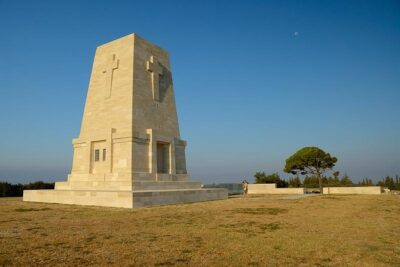

Istanbul to Gallipoli, Canakkale and Troy. 2 Day Tour with Hotel
Read our review →
6 Days Turkey Tour Cappadocia, Pamukkale, Ephesus, Gallipoli Troy
Read our review →
5-Day Aegean Tour – Gallipoli, Troy, Ephesus, Kusadasi, Pamukkale
Read our review →Browse the lists this tour appears in