
Reviewed · COOKING CLASSES
Traditional Baklava Cooking Class in Istanbul
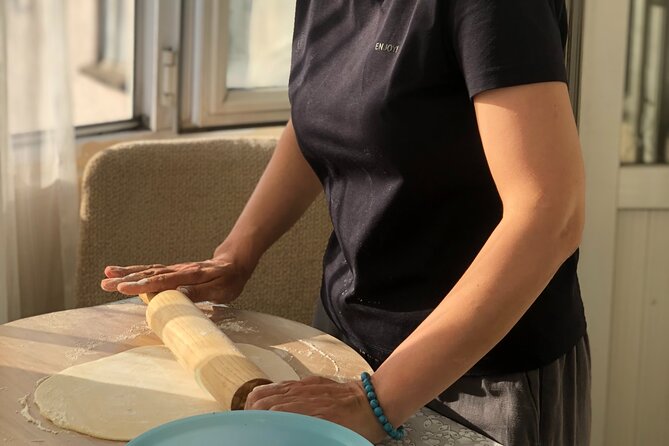
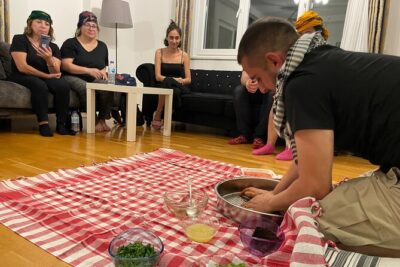
Baklava starts with your hands. I love the cozy home setup in Istanbul and the way host Rojda welcomes you with Turkish tea, then pulls you into making baklava dough from scratch.
I also like the real work of rolling at least 40 delicate layers, not just watching. One consideration: it’s a small group class (up to 8), so you share time and space, and the pace may feel a bit group-managed if you’re hoping for lots of one-on-one coaching.
In This Review
- Key highlights
- A hands-on baklava lesson you can actually use
- Your start in Beyoğlu: tea, warmth, and a clear game plan
- Dough basics: kneading and building a layer-ready start
- Rolling at least 40 layers, one sheet at a time
- Clarified butter and syrup: where flavor gets locked in
- Baking and waiting, the best kind of patience
- The sit-down payoff: tea, coffee, and eating your own work
- Price and value: is $120 worth it
- Logistics that make the class easy to fit in
- Who should book this baklava class
- Should you book?
- FAQ
- How long is the baklava cooking class in Istanbul?
- What does the class cost?
- What time does the class start?
- Is the class taught in English?
- What is the maximum group size?
- Where is the meeting point?
- What is included in the experience?
- Is cancellation free?
Key highlights
- Up to 8 people, so you get hands-on help instead of standing on the sidelines
- Turkish tea or Turkish coffee to go with the lesson and the final tastings
- At least 40 layers, plus dough kneading, rolling, and assembling
- Step-by-step technique, from clarified butter to syrup
- Made-to-eat results, since you sit down and enjoy what you cook
A hands-on baklava lesson you can actually use
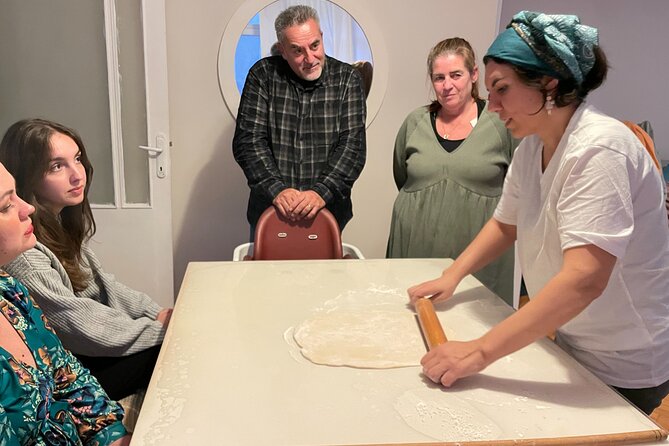
This class is built around doing, not watching. You’ll learn how baklava starts with dough, how it turns into paper-thin layers, and how the butter and syrup steps create that classic sweet, flaky outcome.
What makes it feel different from a quick food stop is the amount of technique you get to practice. Rolling and layering baklava takes patience, and the instructor helps you get past the awkward first tries. You’re not just learning recipes, you’re learning control.
I also like that the class frames baklava as more than dessert. The host brings in the cultural side, including the idea that food is love and baklava is meant to be shared. It gives the lesson a meaning that sticks after the last bite.
Rosewater, pistachio, and a sugar rush
- Turkish Delight Workshop History, Tasting, Making Experience
★ 5.0 · 24 reviews - Turkish Delight Workshop: History, Tasting & Making Experience
★ 5.0 · 9 reviews - Istanbul: Turkish Baklava Cooking Class with a Local Host
★ 5.0 · 3 reviews
Your start in Beyoğlu: tea, warmth, and a clear game plan
The session starts at 2:30 pm in Gümüşsuyu, Ufak Sk. No:3, 34437 Beyoğlu, İstanbul. The location is near public transportation, and the activity ends back at the meeting point, so you do not need to plan extra logistics afterward.
When you arrive, you get a proper welcome, not a rushed handoff. The host serves Turkish tea first and then sets context for what you are about to make. That quick introduction matters, because it helps you understand why baklava is made the way it is, especially the patience behind the layering.
You’ll also get a clear sense of what comes next. Since the class is small, it tends to move at a human pace, with questions welcomed as you work. It feels like joining someone in their kitchen rhythm, not like standing in a demo line.
Dough basics: kneading and building a layer-ready start
In this class, you start at the beginning. You’ll handle ingredients and knead the dough, which is where many people think the hard part begins and it honestly does. Kneading affects texture, and texture affects how easily dough rolls out.
After you get comfortable with the dough, the instructor guides you through making it workable for layering. The goal is thin, even sheets that won’t tear under your hands. Expect a learning curve here. Your first few attempts may look a little rough, but that is normal. This is the point of a class, and you do not just get told what to do, you get helped while you do it.
This is also where your mindset shifts. If you go in expecting a finished pastry, you’ll feel frustrated. If you go in expecting a skill session, you’ll enjoy it. The best baklava lessons treat dough like practice, not like perfection.
Rolling at least 40 layers, one sheet at a time
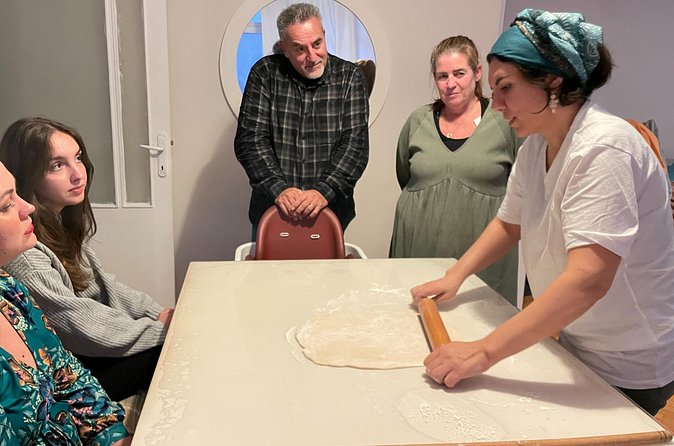
The heart of the experience is rolling out at least 40 delicate layers. That number sounds intimidating until you realize you are doing it in steps, with guidance along the way.
Layering baklava is a skill in three parts: thinning, handling, and stacking. Thinning is about rolling without forcing. Handling is about lifting and moving without stretching too much. Stacking is about keeping layers aligned so everything bakes evenly.
This is the part I love most because it turns the lesson into something you can feel. When you finally see your layers settle into the pan, you get that satisfying click of understanding. You also realize why baklava tastes the way it does. The flake comes from many thin layers, not from one thick crust.
If you’re worried about being bad at rolling dough, don’t. The class is set up for learning. You’ll have help as you go, and the small group size makes that possible.
Clarified butter and syrup: where flavor gets locked in
Baklava isn’t just dough and nuts. The class walks you through the key “glue” steps, including clarified butter and golden syrup. These stages are what transform flaky layers into sticky, sweet, fragrant pastry.
Clarified butter is practical magic. It helps layers stay distinct while still creating richness and browning. When you add it during assembly, you can taste the difference right away in how the pastry behaves in the pan.
Then comes the syrup part. Syrup is what gives baklava its signature sweetness and slow, cozy finish. It soaks in and softens the top while keeping the overall structure flaky. You’ll learn how it’s used so it doesn’t become just sugar water.
These steps are valuable because they explain the logic behind the dessert. If you only learn the concept of layers, you miss the reason baklava has its specific texture. Here, you get both.
Roll your own dolma, then eat it
- Private Turkish Cuisine Cooking Class with Local Moms
- Traditional Home Cooking with a Local in İstanbul City Center
- Traditional Home Cooking with a Local in İstanbul Center
- Learn Turkish Cuisine from a Local Mom
- Authentic Turkish Cooking at a Local’s Home in Istanbul
- Istanbul: Turkish Cooking Class with a Professional Chef
Baking and waiting, the best kind of patience
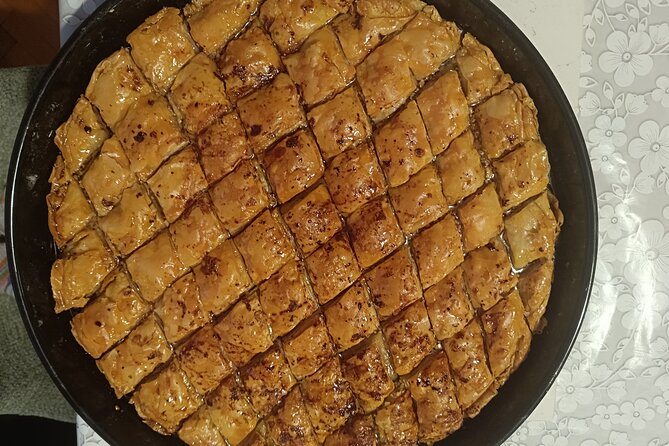
After assembly, your baklava goes into the bake. Waiting is part of the deal, and honestly it’s worth it. In a hands-on cooking class, you want results you can taste with pride, not something you rush.
While you wait, you’ll usually have the chance to settle in with conversation and drinks. This is where the class feels like a home experience, not a production. The tone stays warm and relaxed, and you’re not just performing tasks, you are sharing the moment.
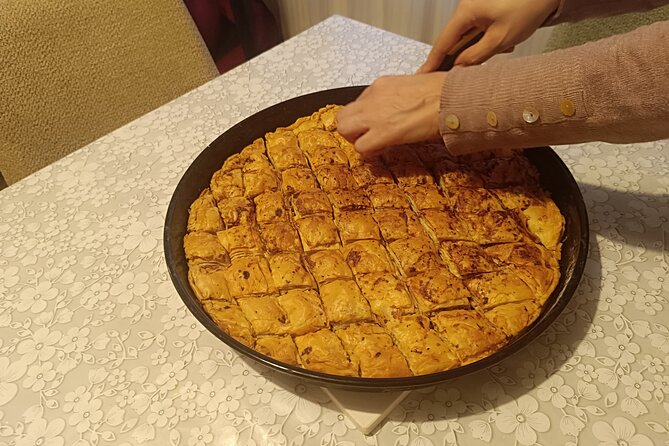
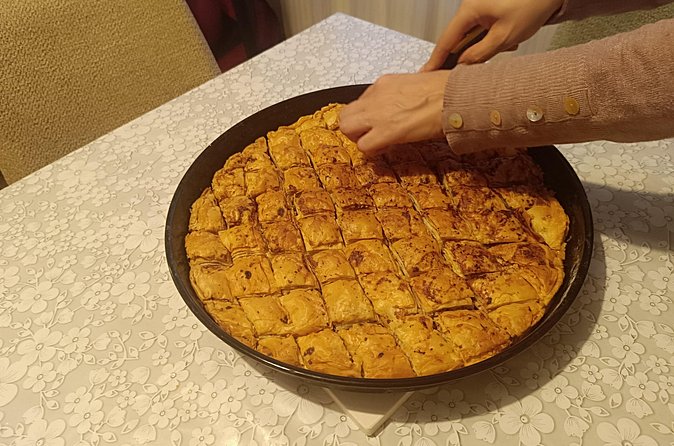
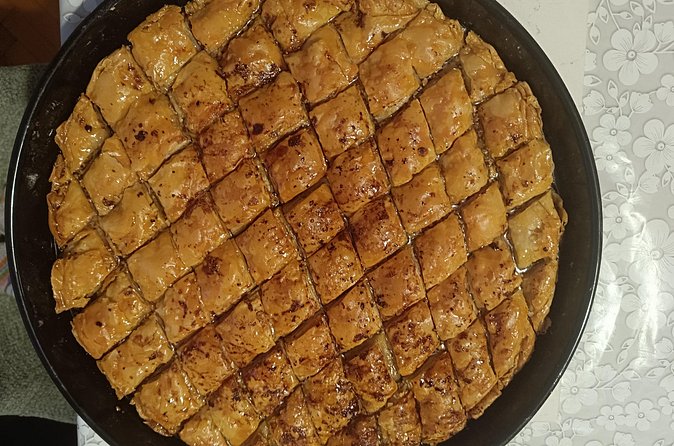
When the baklava comes out, the colors and aroma tell you if you nailed the layers and the butter step. Even if your first roll is not perfect, the technique you practiced pays off in how the bake looks.
The sit-down payoff: tea, coffee, and eating your own work
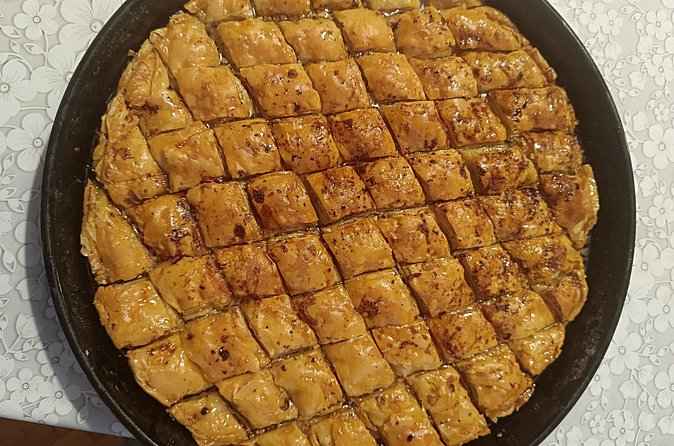
This class ends with you eating what you made. After baking, you sit down with the host to enjoy your baklava over more tea or Turkish coffee. That matters more than you might think. You get to taste your final product at the same pace as the lesson, with context in your head.
The tasting is simple but satisfying. Baklava is sweet, rich, and layered, and you’ll notice how your dough skill translated into flaky layers. You also get a chance to ask questions, like how to tell when syrup has done its job, or what to watch next time you try rolling at home.
One of the nicest parts of the experience is the sense of sharing. The host’s message, that baklava is meant to be shared, isn’t just talk. You leave feeling like you participated in a small ritual, not just collected a snack.
Price and value: is $120 worth it
At $120 per person for about 3 hours, this class isn’t a cheap add-on. But it does not feel overpriced when you consider what you get.
You are paying for:
- Hands-on instruction in dough, rolling, assembly, and syrup technique
- A small group setting (max 8), which usually means more direct help
- Ingredients and processing steps that make baklava what it is
- A sit-down moment with tea or coffee plus what you make
If you love baking, the class is value because it gives you repeatable technique. If you do not bake, it still holds value because you get a skill-laden meal experience that ends in something you can bring home as a memory, if not as leftovers.
Also, booking demand is real. The class is typically booked about 25 days in advance on average, so if you want a specific day, plan ahead instead of waiting for luck.
Logistics that make the class easy to fit in
The start time is 2:30 pm, and the session runs for about 3 hours. That timing is useful. You can sleep in a bit, do a morning walk, then focus on baking in the afternoon without feeling like you are racing the city.
The meeting point in Beyoğlu is straightforward, with a specific street address in Gümüşsuyu. Since it is near public transportation, you can usually get there without a complicated route plan.
You also get a mobile ticket, which cuts down on last-minute hassle. The class language is English, so you can follow the steps without guessing what the instructor means when your dough gets a little too sticky.
And one more practical note: tips and gratuities are not included, so factor that into what you plan to spend.
Who should book this baklava class
This is a good fit if you want to learn baking by doing. If you like hands-on cooking, dough work, and technique, you’ll get your money’s worth because you physically practice the process, not just observe it.
It’s also a good match if you enjoy home-style experiences in Istanbul. The small setting and warm welcome help the class feel personal, and the shared meal at the end is part of why it feels memorable.
You might want to skip it if you only want a quick dessert tasting. This is not just about eating, it’s about skill. Also, because it’s a group with up to 8, you should go in expecting a friendly learning pace rather than private instruction.
Should you book?
I’d book this if your ideal Istanbul afternoon includes hands-on food, Turkish tea, and the chance to leave knowing how to build layered baklava. The 40-layer focus, plus learning the butter and syrup steps, is the kind of practical cooking takeaway that lasts.
Book it sooner rather than later since it is often reserved around 25 days ahead. And bring a learning mindset. Your first rolling attempt will not be perfect, but that is exactly how you get good fast.
If you want a cozy, guided cooking experience that ends with a sit-down reward you made yourself, this one is a strong yes.
FAQ
How long is the baklava cooking class in Istanbul?
It lasts about 3 hours.
What does the class cost?
The price is $120.00 per person.
What time does the class start?
The start time is 2:30 pm.
Is the class taught in English?
Yes, the class is offered in English.
What is the maximum group size?
The activity has a maximum of 8 travelers.
Where is the meeting point?
The meeting point is Gümüşsuyu, Ufak Sk. No:3, 34437 Beyoğlu, İstanbul, Türkiye.
What is included in the experience?
Coffee and/or tea is included.
Is cancellation free?
Yes, you can cancel for a full refund up to 24 hours before the experience starts.
More Workshops in Istanbul
- Istanbul:Original Turkish Mosaic Lamp Workshop w/ Snacks★ 4.9 · 3,077 reviews
- Istanbul: Perfume Making Workshop with Bosphorus View★ 5.0 · 2,985 reviews
- Istanbul: Turkish Mosaic Lamp Workshop w/ Materials Included★ 5.0 · 2,058 reviews
- Istanbul: Turkish Coffee Making and Fortune Telling Workshop★ 4.9 · 1,308 reviews
- Istanbul: Perfume Workshop at Old Wooden Mansion, 80+ Oils★ 4.9 · 1,237 reviews
Newest tours in Istanbul



Cooking Classes, compared.
Private Turkish Cuisine Cooking Class with Local Moms
Read our review →
Traditional Home Cooking with a Local in İstanbul City Center
Read our review →
Traditional Home Cooking with a Local in İstanbul Center
Read our review →
Authentic Turkish Cooking at a Local’s Home in Istanbul
Read our review →
Çiğ Köfte Cooking Class/Night with Traditional Music At Home
Read our review →Browse the lists this tour appears in