
Reviewed · JEWISH HERITAGE TOURS
The Jewish Roots In Istanbul
A few streets in Istanbul tell big stories. This private Jewish route tour strings together Galata, Balat, Hasköy, and Ortaköy so you see how different Jewish communities lived, worshiped, and survived. I especially like the focus on real places like Neve Shalom, the Ahrida Synagogue, and the Jewish Museum, not just vague explanations. One thing to plan for: museum and synagogue entry fees are not included, so bring cash or card for those stops.
You get picked up from your hotel and taken around in a private car, which makes this route feel calm and efficient. I also like that your guide can customize the day to what you care about, and in the best case you’ll get a guide like Kenan, named in reviews as an expert in Jewish history who adds extra cultural stops. The tradeoff is that it is still a packed walk and drive for about 4 hours, so wear comfy shoes.
In This Review
- Key Points I’d Prioritize
- Why Istanbul’s Jewish Route Starts in Galata
- Neve Shalom and the Ashkenazi Synagogue Visits, Opening Times Matter
- Balat and Hasköy: Where Old Neighborhood Life Still Reads on the Streets
- Ahrida Synagogue and the Romaniote Thread
- The Jewish Museum and the Cemetery: A Different Kind of Learning
- Ortaköy and Etz Ahayim Synagogue: Ottoman Refuge Stories at the Water
- Price, Group Size, and Why Private Format Works Here
- Who Should Book This Jewish Roots Tour
- Should You Book The Jewish Roots In Istanbul Tour?
- FAQ
- How long is the tour?
- Where does the tour start and is hotel pickup included?
- How big is the group?
- What does the tour price include?
- Are museum or synagogue tickets included?
- Is this a private tour just for my group?
Key Points I’d Prioritize
- Private guide and driver means you can ask questions and adjust the pace.
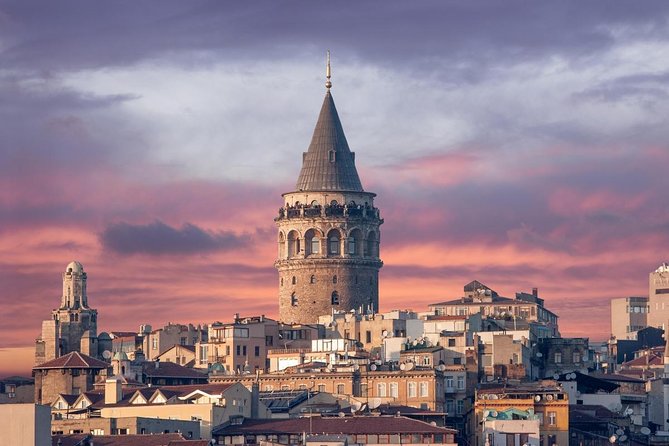
- Galata Tower views and context help you place the Jewish quarter in the wider Genoese and Byzantine story.
- Neve Shalom and Ashkenazi Synagogue are both visitable stops, but opening times affect which one you can see.
- Balat and Hasköy show the old neighborhood layout where Ladino once echoed through the streets.
- Ahrida and Etz Ahayim connect Romaniote and Sephardi threads to Ottoman-era refuge stories.
- Jewish Museum of Turkish Jews and the cemetery add a “life cycle” feel beyond worship sites.
Why Istanbul’s Jewish Route Starts in Galata
Istanbul’s Jewish story doesn’t sit in one museum room. It plays out block by block across neighborhoods that were shaped by empire, trade, and migration. Starting in Galata is a smart move because it gives you immediate geographic context, plus an easy entry point to the old Jewish quarter.
Before you even “tour” the synagogues, you’ll get the kind of street-level history that makes the city make sense fast. Galata Tower is the anchor here. It was built in 1348 during the expansion of the Genoese colony in Constantinople and originally known as Christea Turris, Tower of Christ. At its height, the tower was described as Istanbul’s tallest building at about 219.5 ft, 66.9 m, and it replaced an older Byzantine structure that controlled the northern end of the chain closing the Golden Horn.
That’s the background, but the real value is how it frames what you’ll see next: how communities took root in a place that sat at the crossroads of sea routes and European contact.
Synagogues and neighborhoods tracing centuries of history
- Istanbul: Fener, Balat, Old Greek and Jewish Quarter Tour
★ 4.9 · 234 reviews - Fener and Balat – Old Greek & Jewish Quarter
★ 5.0 · 74 reviews - Jewish District Guided Walking Tour in Istanbul
★ 5.0 · 28 reviews
Neve Shalom and the Ashkenazi Synagogue Visits, Opening Times Matter
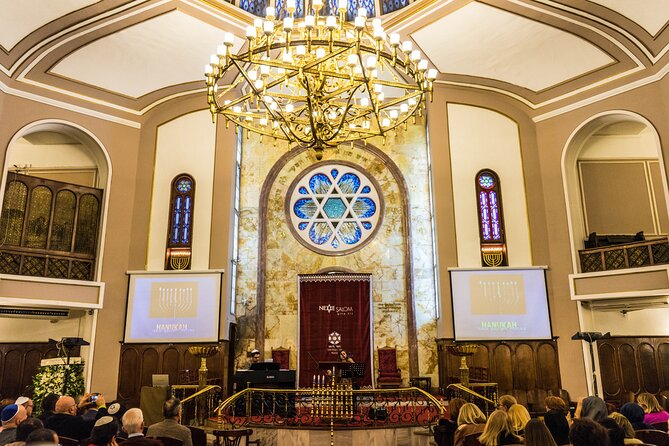
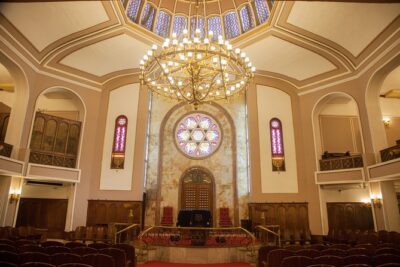
Your route in this area often runs through two synagogue options, depending on opening hours. The first could be Neve Şalom Synagogue, built in response to a late-1930s increase in the Jewish population in the old Galata area. Construction finished in 1951, after a Jewish primary school was torn down for the project. It’s a stop that helps you understand how modern community needs reshaped space, not just older religious sites.
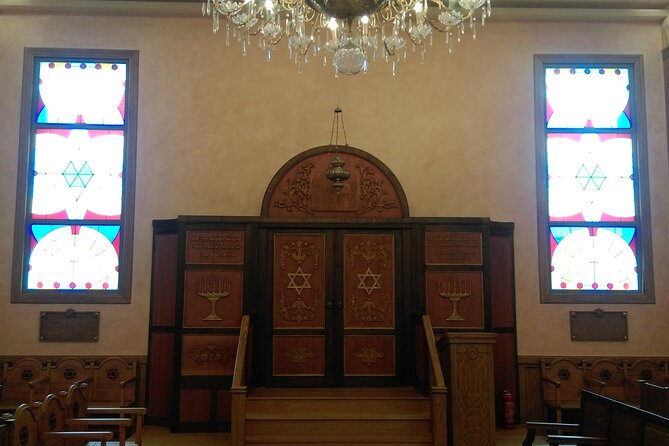
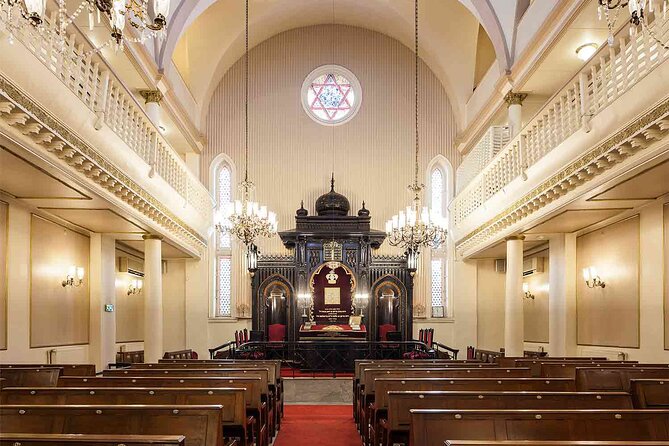
The second option is the Ashkenazi Synagogue of Istanbul, the only currently active Ashkenazi synagogue in Istanbul that is open to visits and prayers. It was founded by Jews of Austrian origin in 1900, and it remains significant because it is the last remaining synagogue from a total of three built by Ashkenazim. Visits tend to be possible on weekday mornings, and Shabbat services on Saturday mornings.
Practically, here’s how I’d treat this stop. If the timing works, you’ll get a strong sense of continuity and change: one synagogue shaped by 20th-century growth, the other representing a specific Ashkenazi lineage. If timing doesn’t work, you’re still in good hands, because your guide can steer the walking portions and keep momentum.
Balat and Hasköy: Where Old Neighborhood Life Still Reads on the Streets
After the synagogue focus, you move toward the Golden Horn and the neighborhoods that people most associate with old Jewish Istanbul: Balat on one side and Hasköy on the other. This is where the tour shifts from “sites” to “place.” You’re walking through areas that were Jewish-heavy in earlier centuries, and you’ll hear details about how Ladino once fit into daily life here.
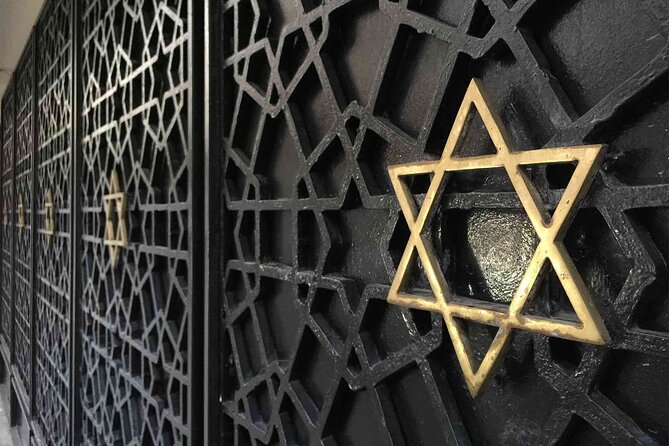
Balat is often described as lively in Ottoman times, and today you may still spot the Star of David on some buildings. That visual clue is small but powerful, because it tells you the story didn’t end with migration waves.
You also get a quick look at the idea of community services, not just worship. Your route may include a chance to peek at the Jewish Hospital in the area, giving you a broader picture of how a community functioned day to day.
The tour gives this stop about an hour, which is enough to get bearings, see key exteriors, and ask questions without feeling rushed. Still, it is walking and you’ll be climbing in and out of street angles, so expect it to take more out of you than a museum stop.
Ahrida Synagogue and the Romaniote Thread
One of the tour’s most meaningful stops is Ahrida Synagogue. This is where the story stops being one straight line and starts branching out by community origin. Ahrida dates back to the 1430s and was built by Romaniotes, Jews from Ohrid (Ahrid) in what was then the Ottoman Empire, now in North Macedonia.
This stop matters because it connects Istanbul to a wider Southeastern European Jewish map. Then, your guide ties it to what happened later, including how Romaniotes in Istanbul adopted Sephardi culture and even shifted language and liturgy as Sephardi influence grew.
I like that this tour doesn’t treat Jewish history as one single “everyone arrived at the same time” narrative. Instead, you see why different synagogues exist, why community traditions differ, and why Ottoman-era life created space for multiple traditions.
Timing again is key. You’ll want to keep an eye on the day’s sequence because the tour is run in multiple short blocks. But if you’re the type who likes detail, your guide should be able to explain what makes Ahrida distinct without turning it into a lecture marathon.
The Jewish Museum and the Cemetery: A Different Kind of Learning
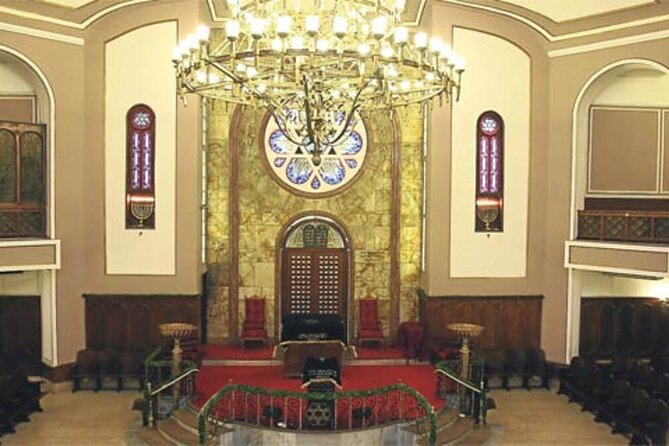
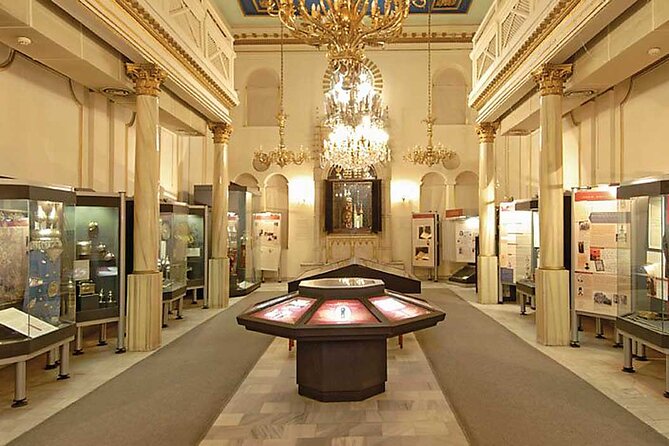
To understand Jewish Istanbul, you need more than synagogue walls. This tour makes sure you also see the places where memory and identity were recorded. In the Hasköy district, you visit the Jewish Museum of Turkey, officially the Quincentennial Foundation Museum of Turkish Jews. It opened in 2001, created by the Quincentennial Foundation to explain the traditions and history of Turkish Jewry.
What I appreciate is the museum’s origin story, because it shows that this isn’t just old artifacts behind glass. The foundation was established in 1989 by 113 Turkish citizens, Jews and Muslims alike, to commemorate 500 years since the arrival of Sephardim to the Ottoman Empire. That kind of local partnership changes the tone, and it often leads to exhibits that feel rooted in Turkish society rather than separated from it.
Next comes the Jewish Cemetery. Cemeteries are not everyone’s favorite travel stop, but they’re crucial if you want the emotional truth of a city’s history. This tour doesn’t offer you hours here. It’s more like a necessary pause, a chance to reflect and, with your guide, connect names and dates to broader community movements.
If you are sensitive to the pace, plan your headspace before the cemetery stop. Think of it as quiet study time, not a sightseeing sprint.
Add these before you book flights home:
- Istanbul: Bosphorus Dinner Cruise & Show with Private Table
- Istanbul: Daytime or Sunset Sightseeing Cruise & Audio Guide
- Istanbul: Bosphorus Dinner Cruise & Turkish Night Show
- Best of Istanbul 1, 2 or 3-Day Private Guided Istanbul Tour
- Istanbul: Basilica Cistern Fast-Track Entry and Audio Guide
- Istanbul: Hagia Sophia Skip-the-Line Ticket & Museum Option
Ortaköy and Etz Ahayim Synagogue: Ottoman Refuge Stories at the Water
The route continues toward Ortaköy, a coastal district where the Bosphorus is never far away. You’ll hear the story of a port where Sephardim arrived about five centuries earlier, plus how Ottoman ruler Sultan Bazyezid offered refuge. Even if you do not memorize every date, the setting helps the story stick. You’re standing in the place where arrival and opportunity would have felt real.
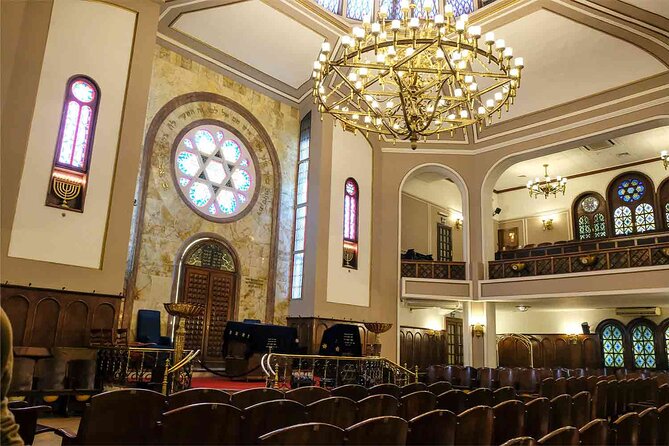
This portion is also visually rewarding because the tour includes a stop that puts you near major water views. Later, you’ll visit Etz Ahayim Synagogue, also known as the Ortaköy Synagogue. The site was totally destroyed by fire in 1941, with only the marble Aron Kodesh remaining intact, and it was rebuilt afterward. That kind of history is sobering, but it also underlines why these visits matter.
Your final synagogue stop is scheduled for about 30 minutes. That’s enough time for orientation, context from your guide, and time to absorb how the community chose renewal after disaster.
Then the tour returns to central areas and ends with a hotel drop-off. In plain terms, you get closure without having to figure out transport on your own after walking and driving all morning.
Price, Group Size, and Why Private Format Works Here
This tour is priced at $751.28 per group, up to 7 people, and it runs for about 4 hours. For Istanbul, that price can look high at first glance, but the private part is what changes the value.
A group this size gives you flexibility, especially if you want questions answered clearly at each synagogue and museum stop. It also matters for timing. Opening hours affect whether you can visit Neve Shalom or Ashkenazi that day, and a private guide is able to keep the day moving and still hit the core Jewish route.
The tour includes a professional guide in your preferred language and a private driver with a luxury car. Hotel pickup and round-trip transport reduce friction, and that matters because the route crosses neighborhoods where public transit connections can be time-consuming.
What is not included is meals and drinks, plus museum entrance ticket fees. So, I’d treat this as a tour where you plan a separate meal either before or after. Bring a bottle of water and wear shoes that can handle uneven sidewalks.
Who Should Book This Jewish Roots Tour
This is a great fit if you want a structured route with real sites and you like questions. It’s especially good for:
- People who prefer a private guide so the story can match their interests.
- Travelers who want a clear understanding of different Jewish community roots, not just one generic overview.
- History lovers who enjoy small, specific facts, like Galata Tower’s Genoese connection or the Romaniote origins of Ahrida.
If you dislike walking, you may still manage because the route alternates short drives with short stops. But you should expect a morning with walking and standing. Also, because admission fees for museums are not included, you should budget a bit extra beyond the tour price.
Should You Book The Jewish Roots In Istanbul Tour?
Yes, if your goal is to see Istanbul’s Jewish heritage in a focused, human way. This route covers the key pillars you’d want: multiple synagogue traditions, the old neighborhood streets around the Golden Horn, the museum that explains Turkish Jewry, and the cemetery that grounds everything in memory.
Book it if you like the idea of a guide who can steer the story. Reviews highlight the guide Kenan as an expert in Jewish history who also adds other places of interest, which is a sign you won’t feel stuck on a rigid script.
Skip it only if you want a relaxed half-morning with no admissions planning. Between museum fees and opening-time realities, you’ll have to be a little organized. If that sounds fine, this tour is a smart, efficient way to understand the Jewish roots of Istanbul in a few hours.
FAQ
How long is the tour?
The tour lasts about 4 hours.
Where does the tour start and is hotel pickup included?
It starts at 9:30 am, and hotel pickup is offered. Your guide and driver meet you at your central Istanbul hotel.
How big is the group?
This is a private tour, and the group can be up to 7 people.
What does the tour price include?
The price includes a professional tour guide in your preferred language and round-trip transportation by private luxury vehicle.
Are museum or synagogue tickets included?
No. Museum entrance ticket fees are not included, and the listed synagogue stops also indicate admission tickets are not included.
Is this a private tour just for my group?
Yes. It is a private tour/activity, and only your group participates.
Newest tours in Istanbul
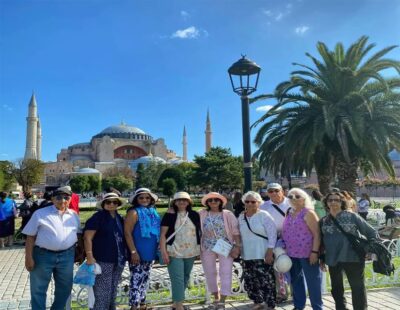




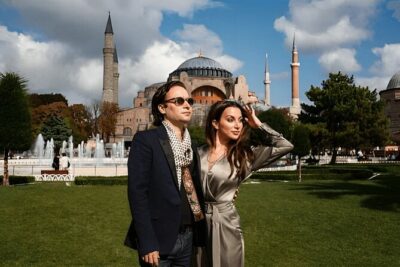
Jewish Heritage Tours, compared.
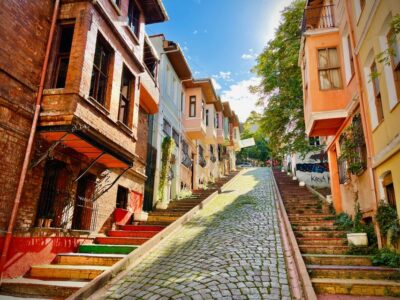
Fener, Balat, Old Greek and Jewish Quarter Tour
Read our review →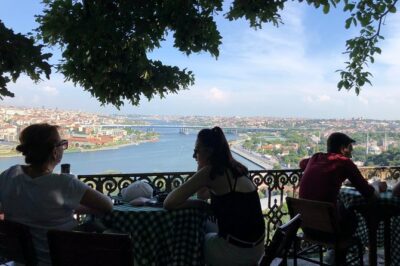
Jewish District Guided Walking Tour in Istanbul
Read our review →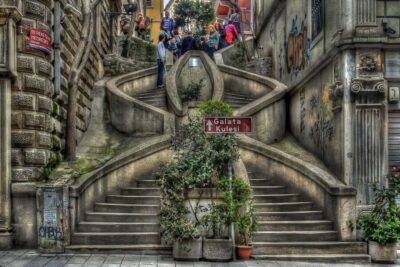

Istanbul Jewish Heritage Tour (Private & All-Inclusive)
Read our review →Istanbul Jewish Heritage Tour (Private & All-Inclusive)
Read our review →Browse the lists this tour appears in