
Reviewed · GALLIPOLI TOURS
Small-Group Full Day Gallipoli & ANZAC Battlefields from Istanbul
Gallipoli is one of those places where the history feels close. This full-day small-group trip from Istanbul strings together the key WWI sites on the peninsula, with expert guiding and time at major memorials. You’ll spend a long day on the road, but you are also getting a very focused route.
I really like two things here. First, you cover five-plus WWI sites in one day, so you are not piecing together logistics on your own. Second, the tour includes hotel pickup and drop-off plus lunch, which matters because the drive is long and you lose a lot of time if you’re scrambling.
The main drawback to plan for is time and comfort. Expect a very long day with substantial coach time both ways, and some people report tight seating on the return ride, plus limited toilet stops once you are out exploring.
In This Review
- Key highlights you’ll care about
- Entering Gallipoli from Istanbul, with hotel pickup in place
- The long coach ride: timing, comfort, and how to survive it
- ANZAC Cove and The Neck: the beach and the hardest push
- Johnston’s Jolly and the trench lines: reading the terrain
- Australian Lone Pine Cemetery and Memorial: close to 5,000 names
- Chunuk Bair: New Zealand’s stand in summer 1915
- Lunch on a long day: what’s included and what to plan for
- Guide styles in a small group: why it matters more than you think
- Price and value for a Gallipoli battlefields day trip
- Should you book this Gallipoli and ANZAC battlefields tour?
- FAQ
- How long is the Gallipoli and ANZAC battlefields day trip?
- Is hotel pickup and drop-off included?
- What will I see during the day?
- Is lunch included, and are drinks included?
- What language is the tour guide?
- What is the group size?
- What is the cancellation policy?
Key highlights you’ll care about
- Multiple battlefields in one day: ANZAC Cove, The Neck, Johnston’s Jolly, and major memorial stops.
- Memorial time that actually lands: Australian Lone Pine and New Zealand’s Chunuk Bair are central stops.
- Long coach day, not a quick jaunt: roughly 5 hours each way, plus site time, so plan for fatigue.
- Guides can make or break it: several guides are praised for clear storytelling and balanced explanations, including Turkish context.
- Bring your “on the move” kit: water, simple snacks, and a restroom plan help with the long schedule.
Entering Gallipoli from Istanbul, with hotel pickup in place
If you want a Gallipoli day trip that feels organized, this is built for that. You meet your guide at the Ottoman Hotel Imperial in Sultanahmet, then head out early by air-conditioned coach. Hotel pickup and drop-off are included, so you do not waste your morning trying to coordinate transport across Istanbul.
The tour is designed for English speakers and runs as a small group (max 20 travelers). That smaller size is the point. When the group is compact, you can ask follow-up questions without the guide repeating themselves 30 times. It also makes the on-site walking and regrouping more manageable.
One important note: the order of stops can shift based on the day. That is normal for battlefield routes where traffic, timing, and site flow can vary. Either way, you are still visiting the key places that matter most for ANZAC-focused history.
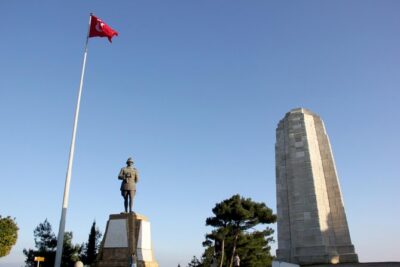
Battlefields and memorials from the peninsula campaign
- Istanbul to Gallipoli Full Day Tour with Lunch and Transfers
★ 5.0 · 567 reviews - Gallipoli Full-Day Tour from Istanbul
★ 4.9 · 468 reviews - From Istanbul: Gallipoli and Anzac Full-Day Tour
★ 4.9 · 345 reviews
The long coach ride: timing, comfort, and how to survive it
Let’s be honest: the big part of this tour is the travel. You’re looking at about 5 hours from Istanbul to Gallipoli, then about 5 hours back. The total duration is listed as around 15 hours, and in practice some people report it can feel closer to a longer day because pickup is early and the return can land late.
Comfort is mostly fine, but you should go in prepared. A few reviews flagged cramped seats (especially if you are taller than average) and one person mentioned an air-conditioning issue on the way back. So bring layers, because buses can run chilly or warm depending on the driver and traffic.
Practical tip that will save your mood: treat the bus ride like part of the outing, not an inconvenience. Bring:
- water (you will likely want it)
- a light snack for the ride, especially since you only get lunch later
- something simple for the drive like fruit or nuts, since road stops and food options may not suit everyone
Also, keep expectations realistic about conversation. Some people felt there wasn’t much commentary during the long outbound drive, then the guided storytelling took over once you were on the peninsula. That pattern makes sense logistically, but it can feel underwhelming if you were hoping for constant narration from Istanbul.
ANZAC Cove and The Neck: the beach and the hardest push
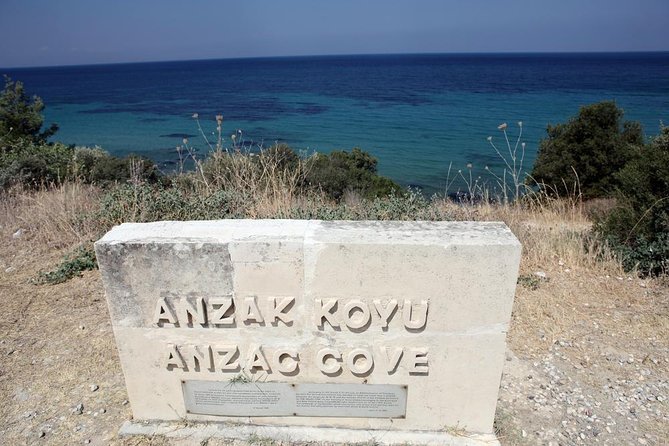
When you finally reach Gallipoli, the emotional weight shifts fast. Your first on-the-ground stop is ANZAC Cove, the shoreline linked with the April 25, 1915 landings. You’re not just standing in a scenic spot here. With a good guide, the coastline turns into a timeline: who landed, what they expected to do next, and how quickly plans broke down.
From there, you move to The Neck, a site strongly associated with brutal fighting and severe losses. This part of the route matters because it shows how the campaign tightened into a deadly choke point rather than a clean advance. If you only knew Gallipoli as a symbol, this is where you understand the mechanics of why it went wrong.
A detail I think you’ll appreciate: your guide is not only explaining Allied aims. The better tours also connect the Australian and New Zealand perspective with the Ottoman Turkish reality that they faced. Several guides on this route are praised specifically for explaining both sides, and one review highlighted an unbiased approach delivered by a Turkish guide. That balance makes the story feel less like a slogan and more like a human conflict.
Also, photo opportunities are good around the shoreline and key vantage points, but keep in mind that this is a cemetery and memorial landscape in parts. Be respectful with timing and movement, and don’t run ahead of the group for the perfect shot.
Johnston’s Jolly and the trench lines: reading the terrain
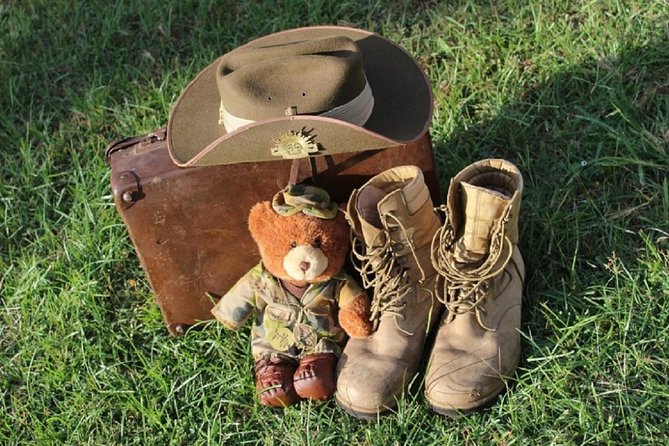
Next comes Johnston’s Jolly, where you can see remnants of trench positions and the physical traces of the confrontation. Standing near these lines is a different experience than reading about Gallipoli. The ground becomes a map you can understand with your own eyes: where defense offered advantage, where movement was constrained, and how difficult it was to gain ground.
This is also where guides often add the most useful context. The trench systems were not just holes in the earth. They were part of a broader system tied to observation, movement, and survival under fire. A strong guide will connect what you see now to what soldiers needed then.
If you care about “how it worked,” this stop delivers. It turns strategy into something you can point to. And if you are sensitive to the topic, it can be intense. It is a sobering, real-world way to understand why both sides paid such a cost for a campaign that never produced the outcome anyone wanted.
One practical caution: the schedule is tight, and there can be a few waits while groups regroup or while the bus connects with other travelers. You will typically get plenty of time at the sites you are visiting, but it helps to stay flexible about small pauses.
Australian Lone Pine Cemetery and Memorial: close to 5,000 names
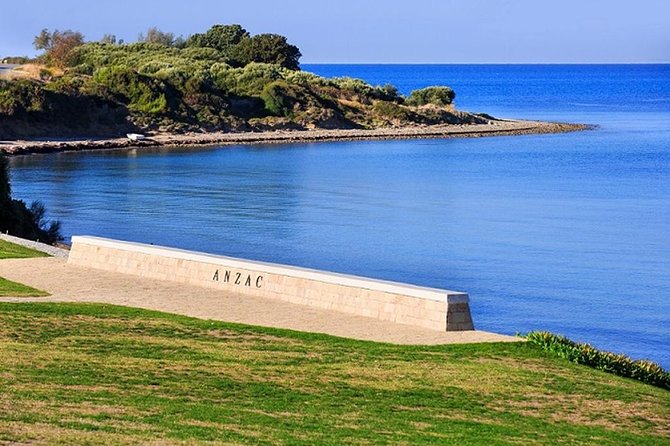
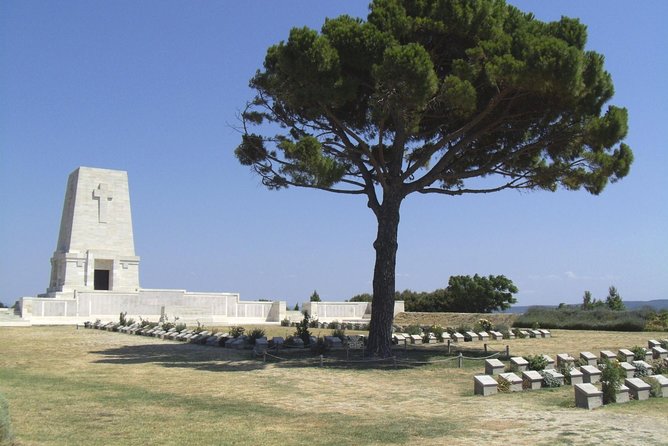
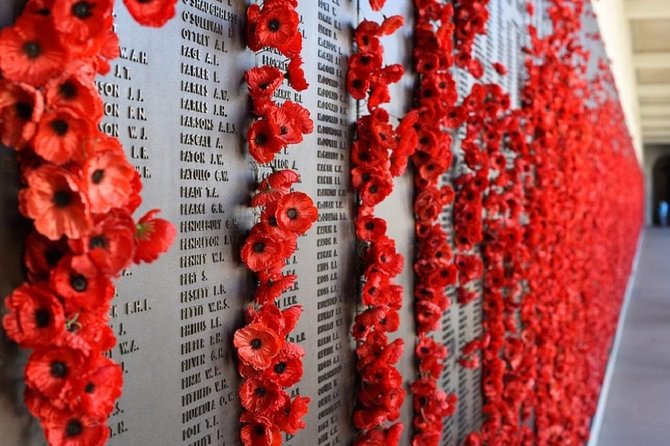
The memorial portion of this day is the heart of the pilgrimage for many people. Your stop at Australian Lone Pine Cemetery and Memorial is described as engraved with names of nearly 5,000 men, and that is exactly the kind of detail that makes this site stick with you.
There’s a particular way Lone Pine hits. It is not a sweeping view kind of memorial. It is intimate, name-forward, and that changes the emotional temperature. You can walk slowly, pause, and read. Even if you do not know anyone listed there, the sheer number gives you a sense of scale that photos cannot fully transmit.
If you are traveling as an Australian or New Zealand visitor, this is often the moment that feels most personal. Even reviews that mention the long drive still frame Lone Pine as a must-see that justifies the effort.
Take your time here. You only have about an hour at the memorial portion on the route, but that can be enough if you go in ready to focus. If you want to read multiple names, give yourself a realistic pace. The goal is connection, not speed.
More of Istanbul beyond the obvious sights
- Istanbul: Full-Day Highlights Tour with Guide and Lunch
- From Istanbul: Full-Day Princes Island Tour with Lunch
- Istanbul: Galata Tower All-Day Entry Ticket with Audio Guide
- ISTANBUL BEST: Iconic Landmarks Full Day PRIVATE Guided City Tour
- Istanbul: Best of the City Full-Day Tour with Transfers
- Troy: Full-Day Tour from Istanbul
Chunuk Bair: New Zealand’s stand in summer 1915
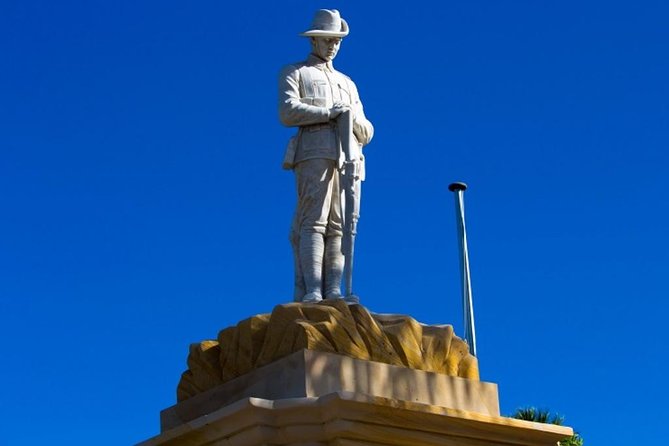
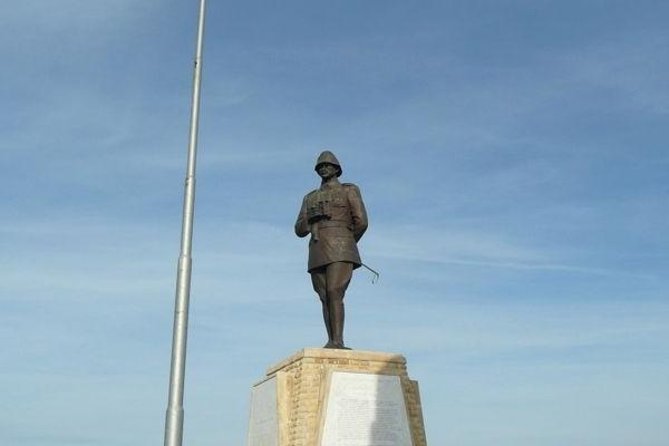
After Lone Pine, you visit the New Zealand memorial at Chunuk Bair, linked to the fighting and ground held in summer 1915. Like Lone Pine, this stop is about memory, but it carries a different emphasis. The guide’s explanation typically helps you understand why this position mattered and how the campaign’s summer phase shaped the campaign’s overall trajectory.
For many people, this is the other half of the ANZAC story in Gallipoli. You see that the campaign wasn’t just the initial landings. It continued through months of attrition, terrain pressure, and repeated attempts to break the stalemate.
A helpful way to experience Chunuk Bair is to keep one question in mind as you look around: what did soldiers gain, and what did they lose, in trying to hold the ground? When you are guided well, you can connect the memorial to the battlefield logic, not just to the commemorations.
Lunch on a long day: what’s included and what to plan for
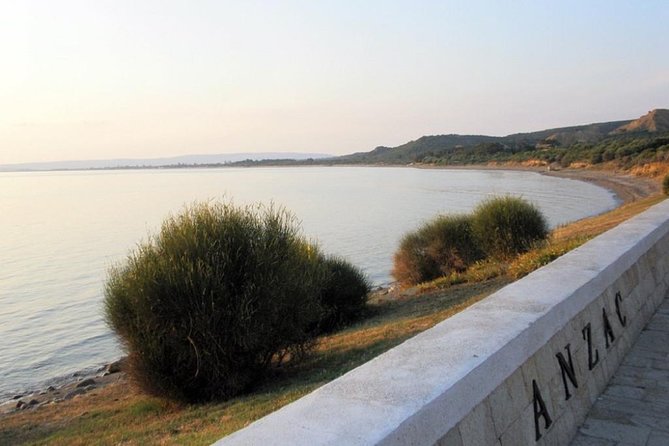
Lunch is included, and the route is described as having a stop for food in the early afternoon. Drinks are at your own expense, so if you want a soda, coffee, or water beyond what you bring, have cash or a card ready.
Because you are out on the peninsula for a set block of time, you should also plan around facilities. Some reviews mention limited toilet stops during the Gallipoli portion, and that’s consistent with many battlefield routes where access points are spaced out.
My practical advice: treat the lunch stop as a chance to reset. Use the restroom, eat something you can digest easily, and then pace your water intake afterward. If you have a sensitive stomach, think about bringing your own snacks for the driving segments too, because road-side food options may not feel appetizing to everyone.
You’ll also want to keep in mind that the day is scheduled around museum-like and memorial-like pacing. You are not on a stop-by-stop sightseeing spree. It’s structured around key sites, and that means you’ll spend more time standing, walking, and listening than wandering.
Guide styles in a small group: why it matters more than you think
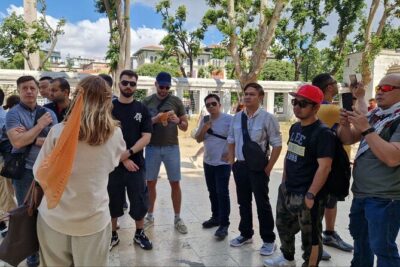
When this tour works well, it feels deeply guided. Many reviews praise specific guides by name and describe them as passionate storytellers with strong knowledge. Examples include Hasan, Charlie, Burak, Mahmoud, Munt, and Murat. Different guides will have different delivery styles, but the common thread is clarity and the ability to explain what you are seeing.
That “what you are seeing” piece is huge. Gallipoli is crowded with symbols, and without context you can miss the point of each stop. A good guide helps you connect:
- the location name
- the human actions tied to it
- the broader campaign goals
Also, a smaller group gives you room to ask questions. Even if you are not a big talker, having that option changes your comfort level. You can ask one thing, clarify one detail, and then keep moving with confidence.
One caution from reviews: while the tour is advertised as a small group (max 20), at least one person reported a much larger group on the day and felt it diluted the experience. That is not something you can fully control, but it is a reminder to read the small-group promise carefully and keep your expectations flexible if departure day staffing changes.
Price and value for a Gallipoli battlefields day trip
The price is $185 per person, and the best way to judge value is to count what you’re actually buying.
You’re paying for:
- the long-distance coach between Istanbul and the peninsula
- hotel pickup and drop-off
- an English-speaking guide
- lunch
- time at multiple WWI sites, with admission described as free at the stops included on the route
If you tried to do this yourself, you’d quickly lose value in transport and in planning. You might find ferries or cars, but you would still need a coherent route and a guiding voice to make the names and terrain click. Here, the day is organized so you hit the major ANZAC points without wasting energy.
One more value note: drinks are not included with lunch. So if you plan to buy beverages, budget a bit extra. And if you are the type who wants a steady supply of snacks and water for a long day, the best value move is to bring some with you.
If you are price-checking across booking channels, one review mentioned paying much more through a third-party site than through other channels, and the operator response claimed pricing is fixed and not sold at certain hotel receptions. Translation: double-check before you purchase, but also know that the experience itself is driven by the same route and service structure.
Should you book this Gallipoli and ANZAC battlefields tour?
Book it if you want a single-day, guided ANZAC-focused route from Istanbul that hits the key sites: ANZAC Cove, The Neck, Johnston’s Jolly, Lone Pine, and Chunuk Bair, with lunch and hotel pickup. If you are the kind of traveler who reads, asks questions, and wants the story to make sense on the ground, this format fits you well.
Skip it or at least think twice if you:
- hate long days on the road and will struggle with the early start and late return
- need lots of comfort room on a bus (some seats are described as tight)
- want uninterrupted guidance during the outbound drive, since some time on the road may feel quieter until you’re on the battlefield route
If your plan is flexible and you can handle a packed day, this is a meaningful way to do Gallipoli without turning your trip into a logistics project. Just pack smart, pace yourself, and let the memorial stops slow you down when you get there.
FAQ
How long is the Gallipoli and ANZAC battlefields day trip?
The duration is listed as approximately 15 hours, including travel time from Istanbul to the Gallipoli Peninsula and back, plus time at the main sites.
Is hotel pickup and drop-off included?
Yes. The tour includes hotel pickup and drop-off, and you meet at the Ottoman Hotel Imperial in Sultanahmet. You should be ready at the pickup point 10 minutes early.
What will I see during the day?
You’ll visit key WWI sites on the Gallipoli Peninsula, including ANZAC Cove, The Neck, Johnston’s Jolly (with trench remnants), Australian Lone Pine Cemetery and Memorial, and the New Zealand Memorial at Chunuk Bair. The order of stops may change.
Is lunch included, and are drinks included?
Lunch is included. Drinks are available at your own expense.
What language is the tour guide?
The tour is offered in English.
What is the group size?
The tour is listed as a maximum of 20 travelers.
What is the cancellation policy?
Free cancellation is available up to 24 hours in advance for a full refund. If you cancel less than 24 hours before the experience starts, the amount paid is not refunded.
Newest tours in Istanbul





Gallipoli Tours, compared.
Istanbul to Gallipoli Full Day Tour with Lunch and Transfers
Read our review →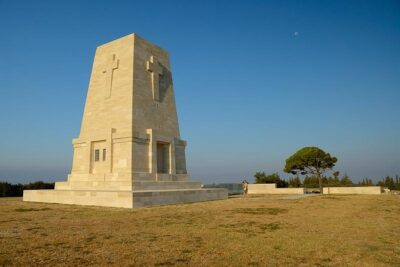

Istanbul to Gallipoli, Canakkale and Troy. 2 Day Tour with Hotel
Read our review →
6 Days Turkey Tour Cappadocia, Pamukkale, Ephesus, Gallipoli Troy
Read our review →
5-Day Aegean Tour – Gallipoli, Troy, Ephesus, Kusadasi, Pamukkale
Read our review →Browse the lists this tour appears in