
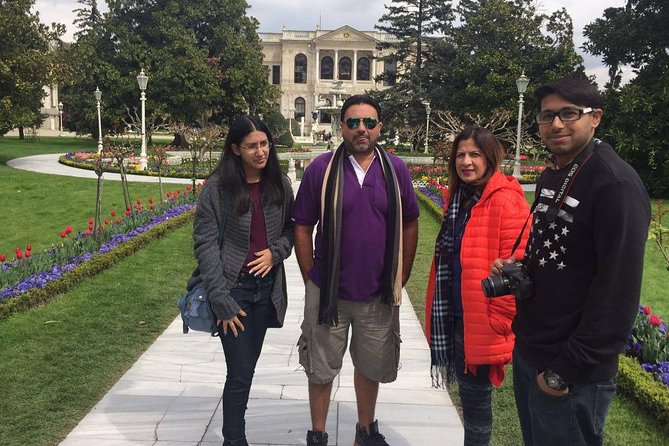
Reviewed · SKIP THE LINE
SKIP-THE-LINE: Treasures of istanbul w/LUNCH
Istanbul hits hardest with a good plan. This private tour strings together the big names of the Old City with hotel pickup and skip-the-line help so your day doesn’t get swallowed by ticket lines. You’ll also get a guided route that makes the area’s story click, not just a checklist of monuments.
What I like most is how the guide teaches the landmarks as a connected place. In particular, I love when the guide shows maps and photos, because it helps you visualize how Hagia Sophia and the surrounding sites evolved over centuries.
One consideration is that the biggest entry fees are not included. Hagia Sophia and Topkapi Palace have separate admission costs, so I’d budget for them before you go.
In This Review
- Key things to know before you go
- Skip-the-line ticket flow, pickup, and how a 7-hour day stays sane
- Hagia Sophia (Ayasofya): Divine Wisdom, Byzantine power, Ottoman change
- Blue Mosque: Sultanahmet Mosque and the tiles that earned the nickname
- Topkapi Palace: Ottoman court life, government power, and what to see first
- The Hippodrome monuments: a Roman civic stage in modern Sultanahmet
- Grand Bazaar: how to browse smart, not wander forever
- Lunch in a local restaurant: the pause that keeps the day enjoyable
- Price and value: what you pay for at $180 per person
- Who should book this Old City highlights tour
- Should you book Skip-the-line Treasures of Istanbul with Lunch?
Key things to know before you go
- Skip-the-line support from pre-paid tickets, with site fees paid to the guide in cash if used
- Door-to-door pickup and drop-off (hotel or port for cruise days), plus the tour returns to the meeting point
- A guide who explains the why, not just the what, with maps and photos to frame the history
- Customizable pacing since it’s a private group experience
- Day-of-week swaps like Topkapi Palace replaced by Basilica Cistern on Tuesdays
- Grand Bazaar hours matter, because it’s closed on Sundays
Skip-the-line ticket flow, pickup, and how a 7-hour day stays sane

This is a half-day plus style outing, about 7 hours long, built around efficiency in the dense Old City. The practical win is the licensed guide and the pre-arranged access strategy. You avoid the worst of the long ticket queues, which matters because Hagia Sophia and Topkapi are the two places with the biggest demand.
Pickup is included, either from your hotel or from the port if you’re arriving on a cruise. If you’re on a cruise, you’ll get a specific timing setup, and the provider guarantees you’ll be dropped off before your ship’s onboard time. That alone can be worth the price if you’re trying to keep your day stress-free.
A quick note on cost mechanics, because this is where people get surprised. The guide has skip-the-line tickets ready, but the admission fees for the sites you actually enter are excluded from the package price. The cost can be paid to your guide in cash in US dollars, euros, or Turkish lira.
More of Istanbul beyond the obvious sights
- Istanbul: Hagia Sophia Skip-the-Line Ticket & Museum Option
★ 3.7 · 4,958 reviews - Topkapi Palace and Harem Skip-the-Line-Tickets & Audio Guide
★ 4.3 · 4,745 reviews - Istanbul: Basilica Cistern Skip-the-Line Entry Ticket
★ 4.6 · 2,270 reviews
Hagia Sophia (Ayasofya): Divine Wisdom, Byzantine power, Ottoman change
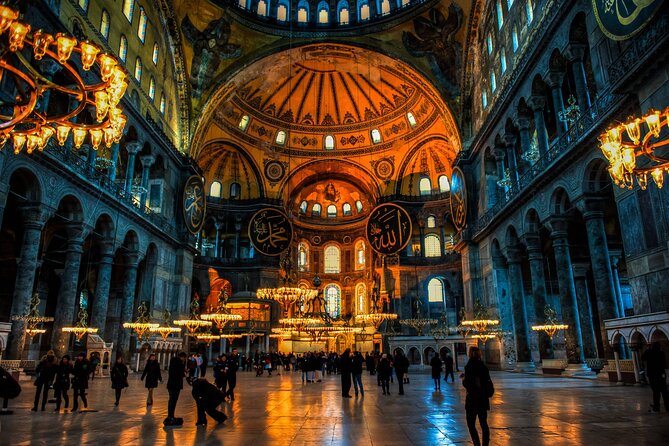
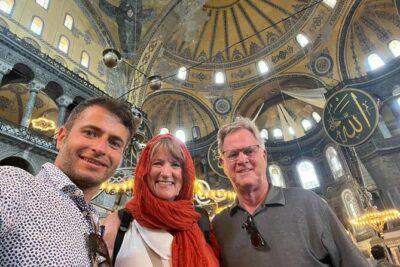
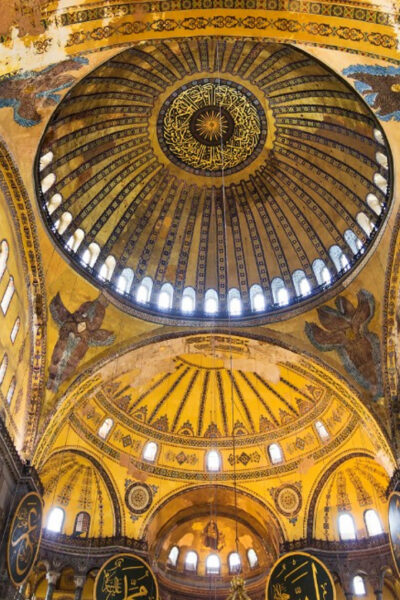
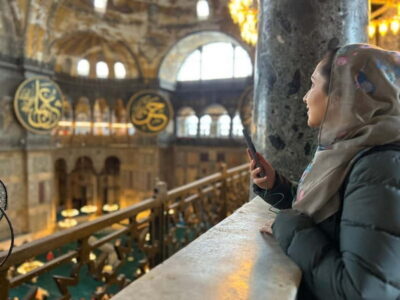
Your morning (or mid-morning) anchor is Hagia Sophia, also called Ayasofya. The building’s name is tied to the idea of Divine Wisdom, and the tour explains why it felt so world-scale to the people who built and used it.
You’ll hear the core timeline: today’s Hagia Sophia was built by Emperor Justinian in 537 AD. During the Byzantine period it served as the religious center of the city, which helps you understand why it wasn’t just another church. Later, it was used as a church for 916 years, then as a mosque for 481 years.
The tour also frames the modern turning point. In 1934, by order of Mustafa Kemal Ataturk, it was converted into a museum. Visiting now, you get the sense of layers rather than a single era frozen in time, and the guide’s context helps you spot what each period was trying to project.
Plan for about one hour at this stop. If you’re the kind of person who likes to linger for photos, a guided pace is useful here, because you’ll still leave knowing what to look for instead of wandering.
Admission is not included, so Hagia Sophia’s separate fee applies. If you want to keep everything smooth, have payment ready for your guide since entry costs are handled on the ground.
Blue Mosque: Sultanahmet Mosque and the tiles that earned the nickname
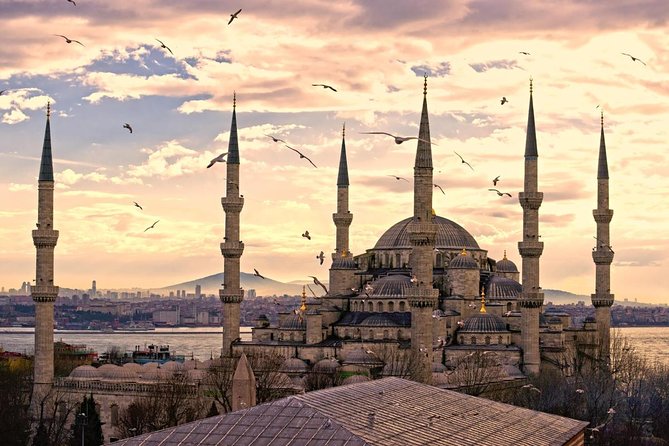
Next door energy is real, and the tour leans into that. You’ll visit the Blue Mosque, officially the Sultanahmet Mosque, built by Ottoman Sultan Ahmet I in 1616. It sits opposite Hagia Sophia, so you can compare the two without getting lost in logistics.
The story explains why people call it the Blue Mosque: not because the whole place is painted sky-blue, but because of the blue tiles inside. You’ll also get the shorthand for its silhouette, including the six minarets and the huge dome that dominates the skyline in this part of town.
This stop runs about one hour. I think that’s the right length for most people, because you’re mostly looking at interior details, then stepping out to reorient and take in the exterior view with Hagia Sophia in your peripheral vision.
Admission is listed as free, so you’re not juggling extra entry fees here. That makes this stop a strong value within the day.
Topkapi Palace: Ottoman court life, government power, and what to see first
Then comes the big-ticket museum compound: Topkapi Palace. The guide sets up what it really was, not just a royal building. It was the imperial residence of the sultan and also the seat of government for the Ottoman Empire.
You’ll hear the palace was home to Ottoman sultans for nearly 400 years, up until the Dolmabahçe palace was built. That kind of detail matters because it gives the space a sense of continuity. You’re not touring a random museum, you’re walking through a system that ran the empire.
Topkapi also has a “this is why it’s famous” breakdown. The tour points you toward key areas including the harem, the royal treasury, and holy relics sections. You don’t need to be an Ottoman expert to enjoy those themes, because they translate into human stories: who lived here, what wealth looked like, and what the palace symbolized.
This stop is about two hours, and that timeframe usually lands well. You can cover major highlights without feeling like you’re sprinting. If you hate rushing, a private tour helps, since you can ask the guide to slow down for the areas that interest you most.
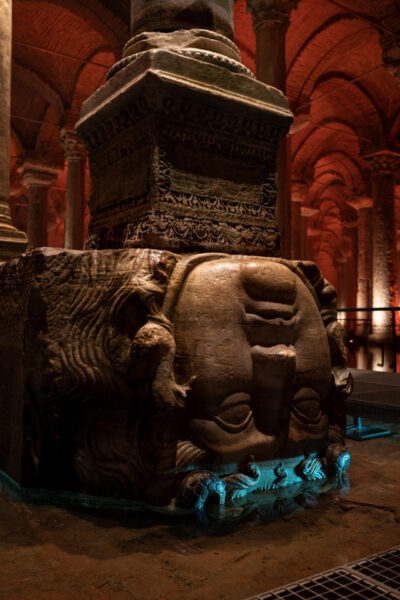
Two important practical notes come straight from the tour details. Admission is not included, and Topkapi is closed on Tuesdays. If you’re going on a Tuesday, the tour swaps in Basilica Cistern instead.
The Hippodrome monuments: a Roman civic stage in modern Sultanahmet
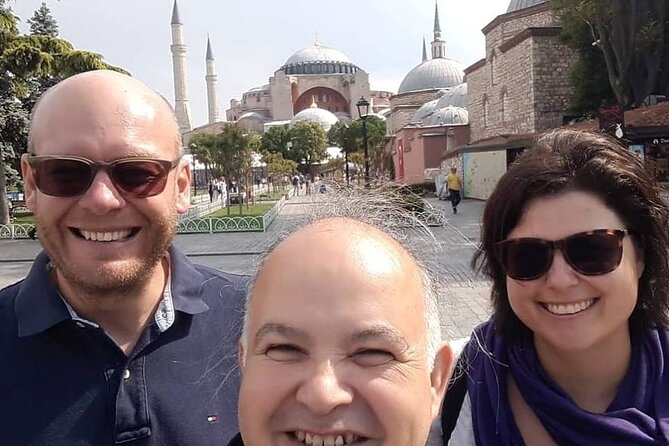
Between the big museums, you’ll pause in the area of the old Hippodrome. The tour gives you the Roman origin story: it was built by Emperor Septimius Severus around 203 AD. In Roman times, it functioned as a civic center for the people of the city, with capacity rumored for up to 100,000 spectators.
This is one of those stops that can feel “quick” if you treat it like an optional photo stop. Don’t. With a guide, it becomes a way to connect the dots between eras. You’ll see famous elements that still make the space feel like a stage.
The monuments you’ll be pointed out include the Egyptian Obelisk (Dikilitaş), the Serpentine Column (Burma sütun), the Constantine Column, and the German Fountain. Even if you don’t have time to read every plaque, your guide helps you understand what each one represents, so you get more than surface-level sightseeing.
Timing here isn’t listed as a fixed number of hours, but it’s built as a “walk-and-look” stop inside the Old City cluster. That makes it a good breather before the shopping part of the day.
Add these before you book flights home:
- Istanbul: Bosphorus Dinner Cruise & Show with Private Table
- Istanbul: Daytime or Sunset Sightseeing Cruise & Audio Guide
- Istanbul: Bosphorus Dinner Cruise & Turkish Night Show
- Best of Istanbul 1, 2 or 3-Day Private Guided Istanbul Tour
- Istanbul: Basilica Cistern Fast-Track Entry and Audio Guide
- Istanbul: Hodjapasha Whirling Dervishes Show & Exhibition
Grand Bazaar: how to browse smart, not wander forever

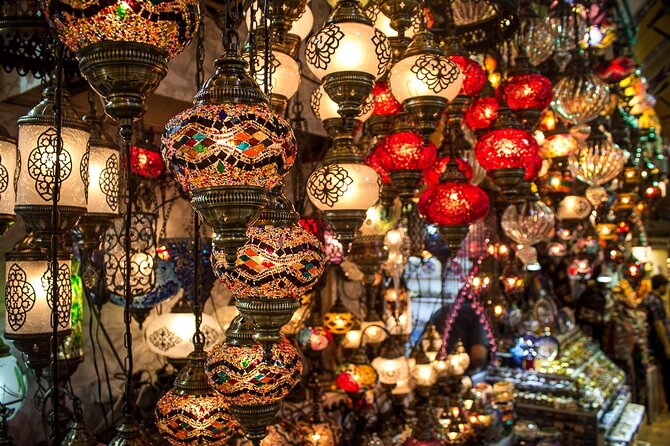
Your final major anchor is the Grand Bazaar, one of the world’s great shopping labyrinths. The scale alone is enough to impress: the bazaar has 18 entrances and more than 4,000 shops. The tour also explains the original structure, built between 1455 and 1461 by Sultan Mehmet the Conqueror.
What I appreciate is that the guide doesn’t just let you loose in the maze. Shops selling the same kind of merchandise tend to group together in certain streets or inns, which you’ll learn to recognize while you walk. Once you get that pattern in your head, the Grand Bazaar stops feeling like chaos and starts feeling like a set of themed lanes.
The guide also steers you toward shops they recommend. That matters for value, because you’re less likely to waste time only chasing the most touristy traps. You’ll still be able to shop at your own pace, but you get a head start on where to look.
This stop runs about two hours. For many people, that’s the perfect amount of time. Long enough to feel the place and compare goods, short enough that you don’t end up numb from the sheer number of choices.
One day-of-week heads up: the Grand Bazaar is closed on Sundays. So if your dates land on a Sunday, you’ll want to plan accordingly or choose a different tour day.
Lunch in a local restaurant: the pause that keeps the day enjoyable
Midday, you’ll take a break for lunch at a local restaurant. Lunch may sound like a basic included item, but the pace of Istanbul can wear you down. Having a planned stop is a smart way to keep the tour from turning into a long scramble for food while you’re tired and hungry.
Beverages are not included with the meal, so you’ll want to budget a little extra if you like tea, water, or anything else with lunch. Still, the included lunch is a genuine value add for a tour at this price point, since it saves time and helps you stay on schedule.
Also, because you’re on foot through crowded areas, this is the moment to reset your energy. If you’re the kind of person who tends to “power through” on vacation, I’d remind you to take this pause seriously. It makes the afternoon stops feel easier.
Price and value: what you pay for at $180 per person
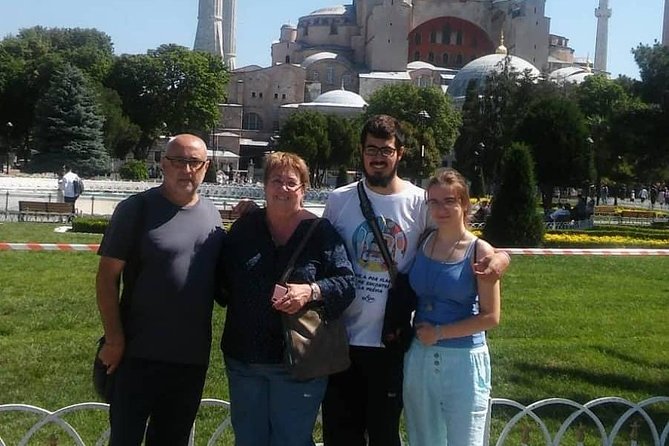
At $180 per person, you’re not just paying for entrances. You’re paying for the guided route, the licensed guide, and the time-saving skip-the-line setup plus pickup and drop-off. For Istanbul’s Old City, those time and planning pieces often cost more than you expect when you try to DIY it.
Here’s how I think about value for this kind of tour:
- You’re paying to reduce the queue pain at the two highest-demand sites, Hagia Sophia and Topkapi.
- You’re paying for interpretation. The guide’s history framing, plus map and photo help, is the difference between seeing monuments and understanding what you’re seeing.
- You’re paying for convenience. Hotel or port pickup, a set route, lunch, and a return drop-off all cut down on decision fatigue.
The one way the deal can feel less “all inclusive” is that admissions for Hagia Sophia and Topkapi are excluded. If you were already planning to visit both, that’s normal, and the skip-the-line element can still make the day worth it. Just budget those entry fees ahead of time so it doesn’t feel like surprise math.
Also, the tour is described as private, meaning it’s only your group. That often improves the experience, because you can ask for small adjustments without feeling like you’re interrupting a big crowd.
Who should book this Old City highlights tour
This tour fits best if you want a clear first-timer route through Istanbul’s core. I’d especially recommend it if you:
- Want a day focused on Hagia Sophia, Blue Mosque, Topkapi, the Hippodrome, and the Grand Bazaar without spending hours figuring out logistics
- Prefer a guide who uses maps and photos to make history easier to picture
- Appreciate the efficiency of skip-the-line support when visiting the highest-demand sites
- Are traveling as a private group, since the experience is set up for just your party
It might be less ideal if you hate guided pacing and want complete freedom to roam on your own. But even then, the skip-the-line structure and included lunch often still make it a strong option.
Should you book Skip-the-line Treasures of Istanbul with Lunch?
If your goal is a smooth Old City day with major sights covered and a guide who makes the layers of Istanbul understandable, I think this is a good booking. The licensed guide, the history framing, and the fact that skip-the-line access is handled for you go a long way toward keeping the day enjoyable instead of stressful.
I’d book it if you can handle the reality that site admissions are paid separately and you want that convenience in return. If your travel day is a Tuesday, double-check that you’re okay with Topkapi Palace swapping to Basilica Cistern. If it’s a Sunday, note the Grand Bazaar closure.
Finally, if plans change, free cancellation up to 24 hours in advance is part of the package. That gives you breathing room to lock it in when you’re still refining the rest of your Istanbul schedule.
Newest tours in Istanbul




Skip the Line, compared.
Hagia Sophia Skip-the-Line Ticket & Museum Option
Read our review →
Topkapi Palace and Harem Skip-the-Line-Tickets & Audio Guide
Read our review →
Hagia Sophia Skip-the-Line Ticket & Blue Mosque Audio Guide
Read our review →
Basilica Cistern Skip-the-Line Entry & Audio Guide
Read our review →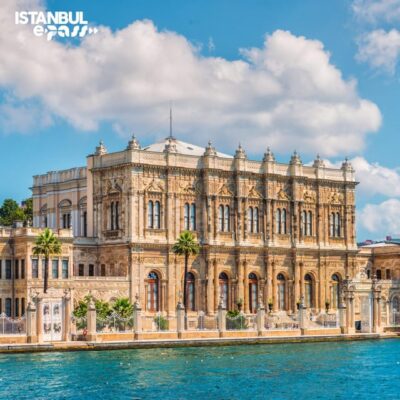
Dolmabahce Palace & Harem Skip-the-Line Entry & Audio Guide
Read our review →
Dolmabahce Palace and Harem Skip-the-Line Ticket
Read our review →Browse the lists this tour appears in