
Reviewed · MARKETS
Roman Aqueduct, Sehzade Mosques &Women’s Market
Most tours in Istanbul sprint from one famous photo spot to the next. This one slows down, sending you into residential streets and quieter religious sites around Fatih. I like that it mixes monuments with everyday food stops, including boza and (if you add lunch) Buryan kebap cooked for hours underground. One thing to note: it’s a 3-hour walking and public-transport plan, so comfy shoes matter.
Two highlights really anchor the experience for me. First, the quiet, non-touristy feel at the Şehzade Mosques area, including the story tied to the son whose death is shrouded in mystery. Second, the route through neighborhoods and markets where you get Eastern and Southeastern Turkey flavors instead of just tourist snacks. My one consideration is simple: lunch is not included, so budget another $10 to $15 per person if you want the full meal stop.
In This Review
- Key things that make this tour worth your time
- A 3-hour tour into Fatih’s everyday Istanbul
- Meeting at German Fountain (Alman Çeşmesi) and using tram like locals
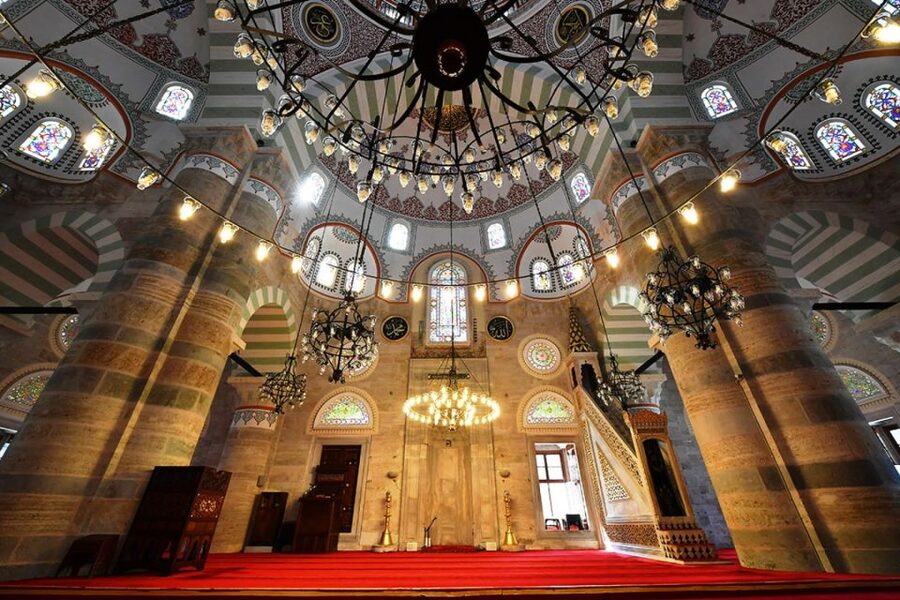
- Şehzade Mosques: architecture plus a story you will want to retell
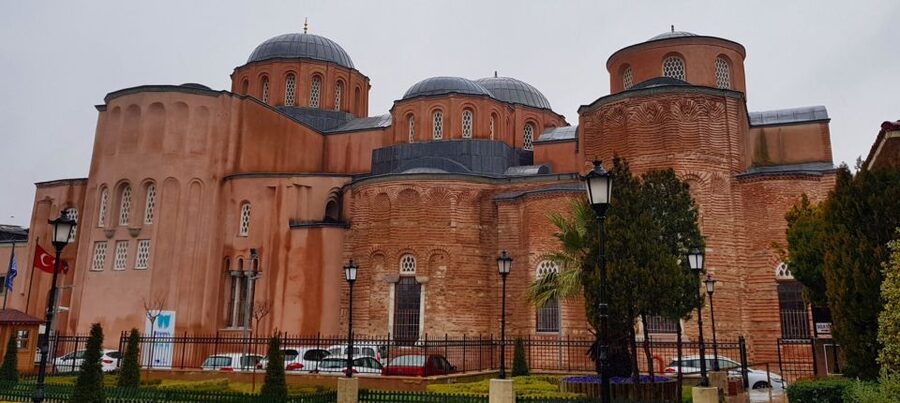
- Zeyrek Mosque (former Pantokrator complex, 1118) and the quiet side of Fatih
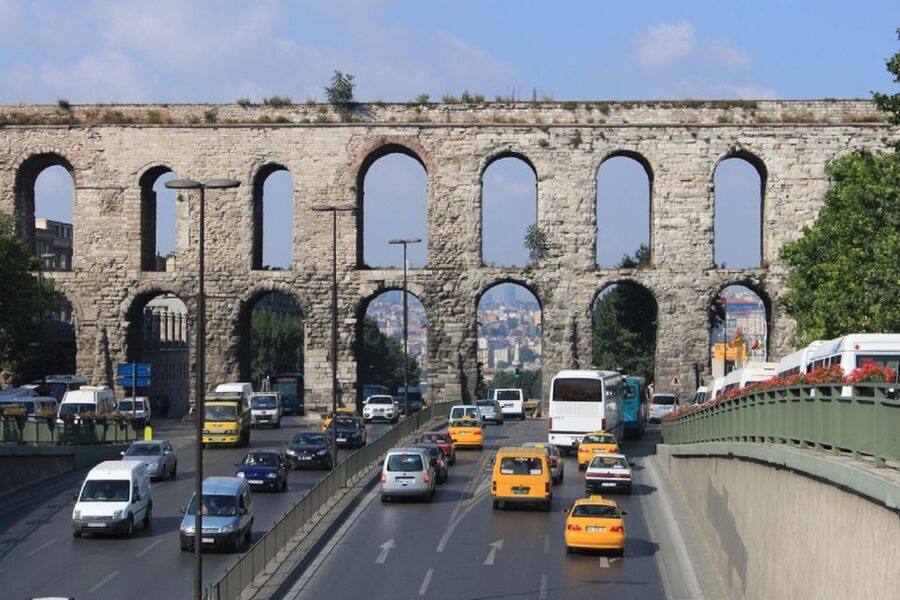
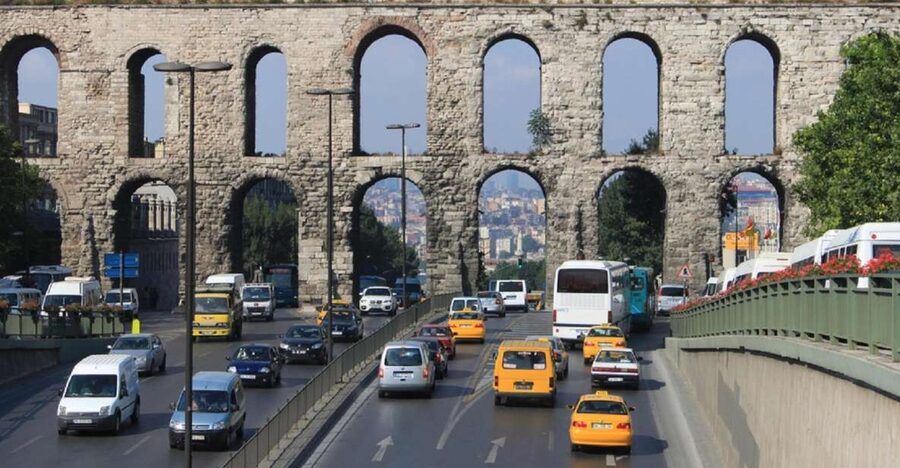
- Walking past the Roman Valens aqueducts, where old water still shaped the city
- Vefa neighborhood boza and a 150-year food stop you can smell
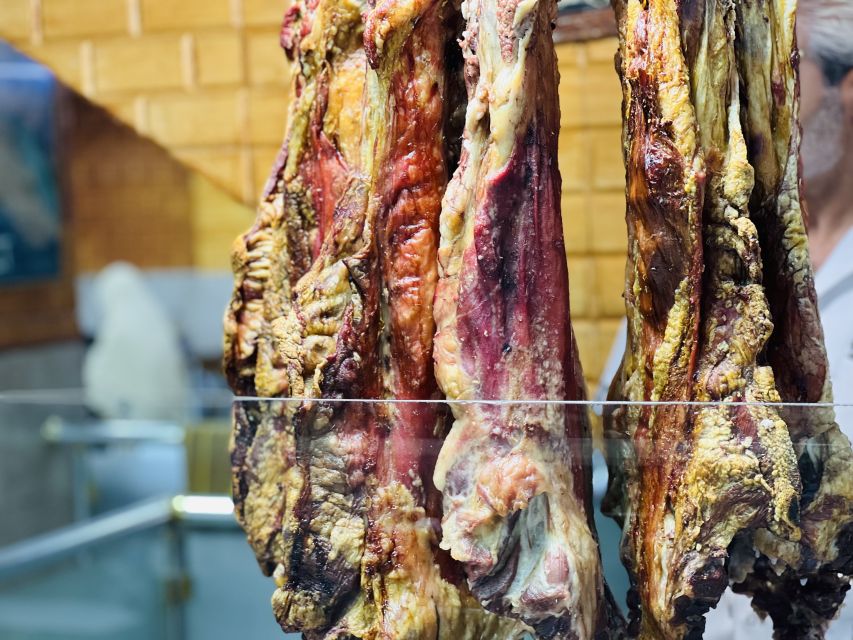
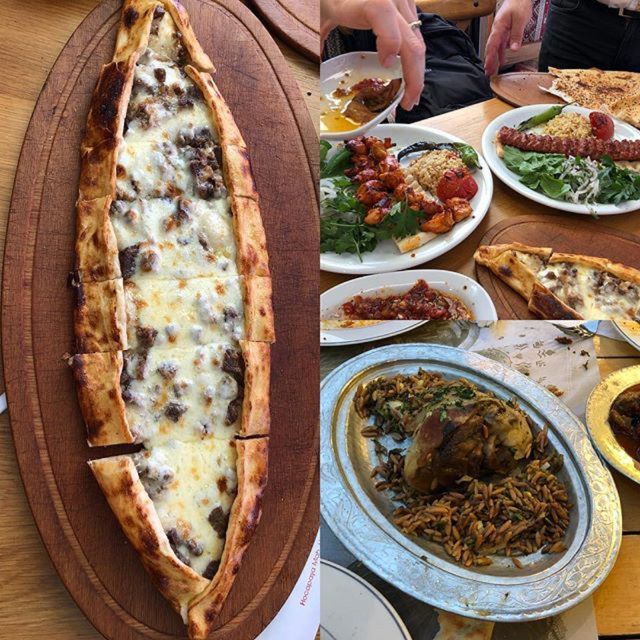
- Lunch add-on: Buryan kebap cooked in a clay oven for five hours
- Price and value: what $71 buys you in 3 hours
- Who should book this (and who might want a different style)
- Should you book this tour of Roman aqueducts, Şehzade Mosques, and boza?
- FAQ
- Where does the tour start?
- How long is the tour?
- What is the price per person?
- Is lunch included?
- What’s included in the tour?
- Do I need hotel pickup?
- Is the group small?
- How do you get around during the tour?
- What should I bring?
Key things that make this tour worth your time
- Şehzade Mosques with fewer crowds and a story you will actually remember
- Roman Valens aqueducts (6th century), walked right into the city’s daily fabric
- Vefa neighborhood boza ritual, with a stop where boza has been served for around 150 years
- Neighborhood market time, focused on food and everyday life from Eastern Turkey
- Optional Buryan kebap lunch, lamb baked in an underground clay oven for about five hours
- Small group limit of 10, so questions are easy and the pace stays human
A 3-hour tour into Fatih’s everyday Istanbul
This tour is built for people who are tired of Istanbul’s usual checklist. In just three hours, you get a taste of how Istanbul lives beyond Sultanahmet’s postcard lines. The focus stays practical: you will move on foot for short stretches, then hop on public transport, so you spend less time trapped in traffic and more time looking at real streets.
You will spend time in and around Fatih, one of the city’s most lived-in districts. That matters because the sights here are not just monuments, they sit inside neighborhoods where people go about their day. It is a calmer Istanbul, where you can hear your guide talk, and where the mosques often feel quieter than the big, famous ones.
The tour’s rhythm is also smart. It does not try to cram in long museum-style stops. Instead, you get walking moments, short site pauses, and food breaks that help you connect the geography to culture.
More of Istanbul beyond the obvious sights
- Istanbul Grand Bazaar: From Rooftops to the Secret Passages
★ 4.8 · 337 reviews - Istanbul: Hagia Sophia, Blue Mosque and Grand Bazaar Tour
★ 4.5 · 222 reviews - Small-Group Bosphorus Cruise and Istanbul’s Egyptian Bazaar
★ 3.5 · 208 reviews
Meeting at German Fountain (Alman Çeşmesi) and using tram like locals
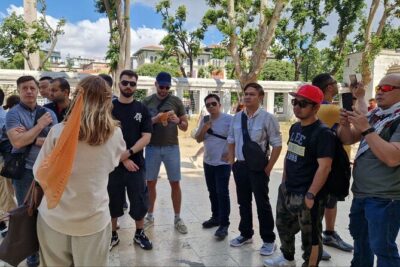
Your day starts at German Fountain (Alman Çeşmesi) in Fatih, at Binbirdirek, Atmeydanı Cd., 34122 Fatih/İstanbul. There is no hotel pickup, so you will want to arrive a few minutes early and get oriented before you meet your group.
From the meeting area, you travel to the tram station, then you hop off toward Fatih. The directions are simple: walk down toward the tram, then follow the route that takes you toward the Hippodrome square and the green-domed fountain you can spot there. It is a straightforward route, and it is also a big part of the value. You are not just touring, you are learning how locals connect neighborhoods.
Two practical tips that help a lot:
- Bring a scarf for mosque visits, and plan to wear it comfortably.
- Wear comfortable shoes, because the walking is steady even if the stretches are usually only 5 to 15 minutes.
You should also know that tram tickets to Fatih and back to Sultanahmet are included. That is helpful. It means your cost stays more predictable, and you can focus on the day instead of figuring out fares mid-walk.
Şehzade Mosques: architecture plus a story you will want to retell
The heart of the tour is a stop at the Şehzade Mosque area. The big draw here is not only the building itself, but the human story woven into it. You will see the mosque built for the son who died mysteriously, and your guide explains why that detail makes the architecture feel more personal than it would in a textbook.
Even if you know Ottoman history, this stop works because it is approached from the neighborhood side, not the rush side. The tour aims for quieter timing and calmer streets, so you get more space to look up at domes and details without constantly negotiating shoulder-to-shoulder crowds.
What you can expect on-site is a mix of architecture and context. You will walk in and around the complex, and your guide ties the place to what you are seeing around you in Fatih. It helps you understand why these mosques were built where they are, and why their surrounding streets still feel like “real Istanbul,” not a stage set.
One extra bonus: you will learn what to notice. That means when you step back into the street afterward, you are not just passing buildings, you are reading them.
Zeyrek Mosque (former Pantokrator complex, 1118) and the quiet side of Fatih
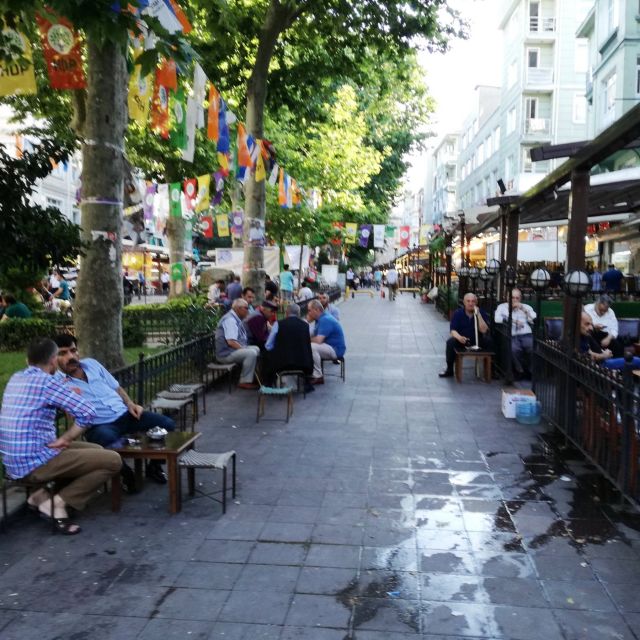
Another major stop is the Zeyrek Mosque, which is the former Pantokrator church complex built in 1118 A.D. This is one of those sites that rewards a guide. Without context, you might see walls and arches. With the right explanations, you understand layers of time, how spaces change, and how the district carried many identities.
I like how this fits the tour’s theme. It is not presented as a history lecture detached from the present. Instead, it is placed inside a walk through Fatih, so the site feels anchored in the neighborhood you are already experiencing.
A practical note: because this is a mosque and religious complex, respectful attire matters, and your scarf will come in handy. The pace here is also important. Your group stays small, capped at 10, so you can ask questions and keep things moving without feeling like you are being herded.
If you enjoy sites that feel slightly “off the main road,” Zeyrek is a strong match. It does not try to be the loudest stop. It is more interesting because of its calm.
Walking past the Roman Valens aqueducts, where old water still shaped the city
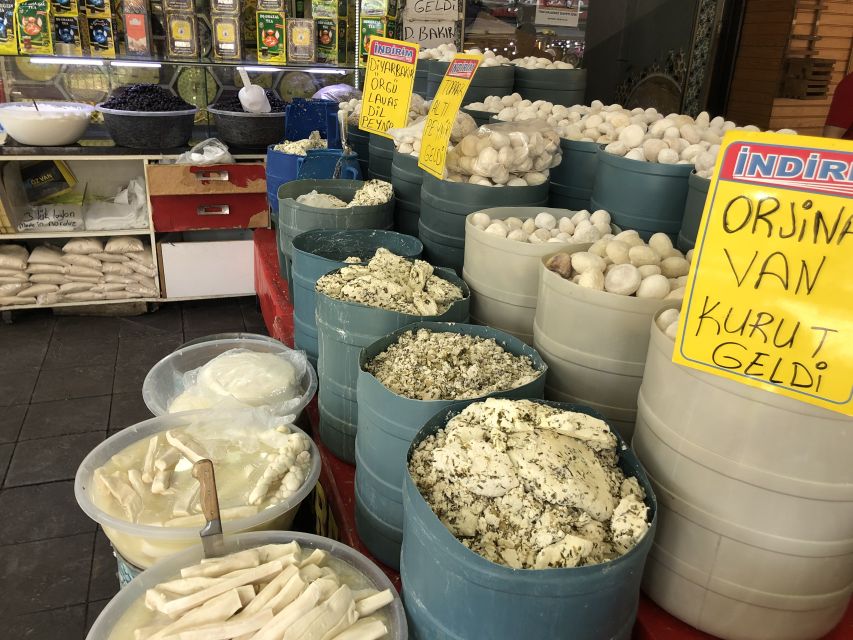
Then you shift from Ottoman and Byzantine layers to the city’s older engineering spine. You will walk by Roman Valens aqueducts from the 6th century A.D. These aqueducts were part of the system that supplied water to Istanbul, and seeing them in motion through the neighborhood is a different experience than seeing a standalone ruin.
The best part is how the guide frames it: the aqueduct is not just a stone structure. It is a reason the city grew where it did, and it influenced daily life long before modern plumbing became normal.
You will also get the visual payoff of walking under or alongside the structure. It gives you a sense of scale. The stones feel weighty and real, and you start imagining the logistics behind them: water moving, people depending on it, the city functioning.
A small drawback to keep in mind: if you hate walking under historic structures or have mobility limits, this segment might feel a bit more strenuous than the average photo stop. The walking is still broken into manageable pieces, but it is more active than a seated visit.
Add these before you book flights home:
- Istanbul: Bosphorus Dinner Cruise & Show with Private Table
- Istanbul: Daytime or Sunset Sightseeing Cruise & Audio Guide
- Istanbul: Bosphorus Dinner Cruise & Turkish Night Show
- Best of Istanbul 1, 2 or 3-Day Private Guided Istanbul Tour
- Istanbul: Basilica Cistern Fast-Track Entry and Audio Guide
- Istanbul: Hagia Sophia Skip-the-Line Ticket & Museum Option
Vefa neighborhood boza and a 150-year food stop you can smell
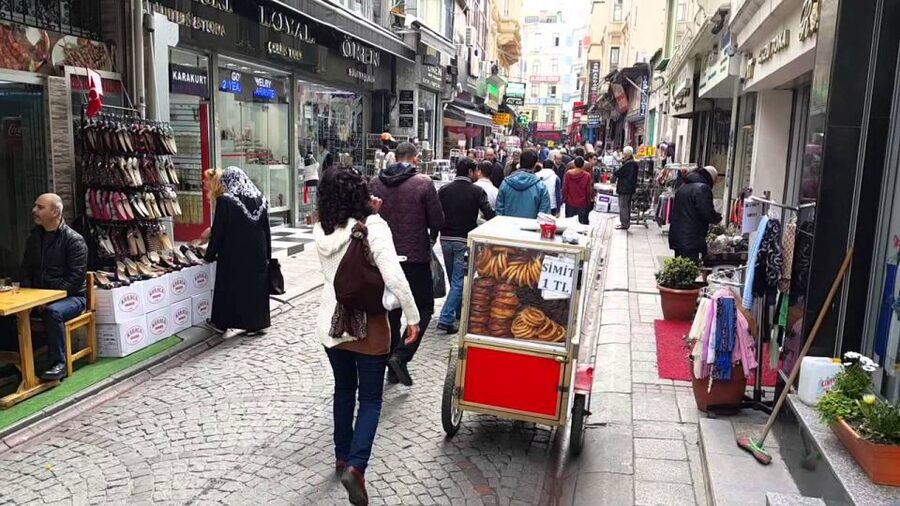
Next comes one of the most local moments: a walk to the Vefa neighborhood to try boza. Boza is a drink with personality. It is tangy, slightly sweet, and often served warm or at least in a way that feels like winter comfort.
The tour adds a smart twist by sending you to the specific place where boza has been served for around 150 years. That longevity matters. It means the stop is not just about tasting something once. It is about seeing how a simple everyday product becomes part of a neighborhood routine.
I also like that boza is not treated like a novelty. Your guide ties it to regional food patterns. You are not only drinking, you are learning why this style of drink fits the culture and climate.
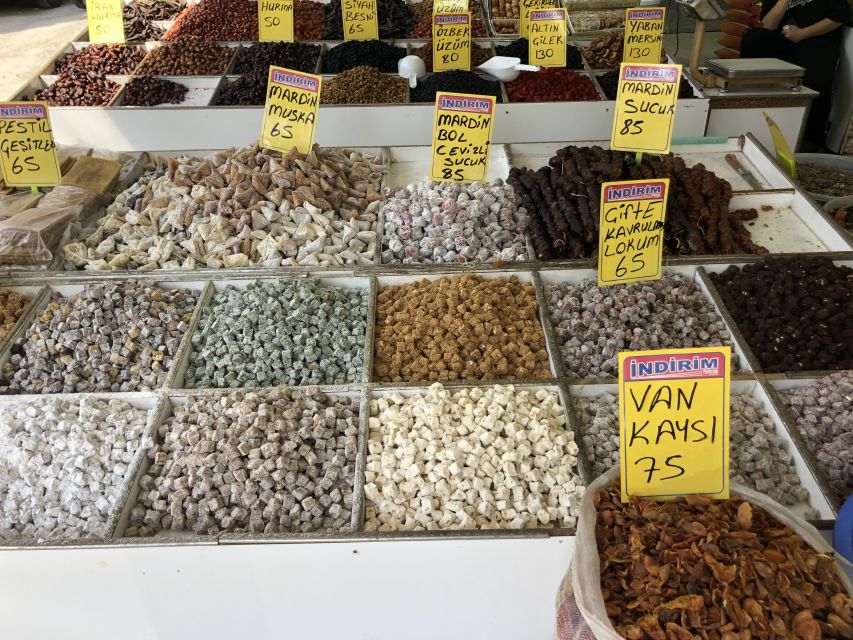
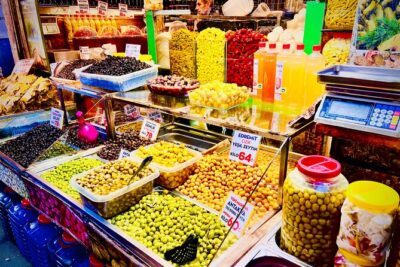
After boza, you move into a market neighborhood experience tied to Eastern and Southeastern Turkey food. The goal is to help you notice the ingredients and the way people shop, talk, and browse. It is the kind of market time that helps you understand why the next meal choices feel natural.
In one of the most memorable moments from guides and past groups, people also stop for chai in a garden setting with views toward Süleymaniye Mosque. Even if you are not a “tea person,” it is a nice pause that gives you a breather between walking segments.
Lunch add-on: Buryan kebap cooked in a clay oven for five hours
Lunch is where the tour can turn into the full sensory Istanbul day. Lunch is not included, but it is offered as an add-on for about $10 to $15 per person, and it is one of the experiences you should strongly consider if you want the food story to land.
The featured dish is Buryan kebap, described as lamb baked in an underground clay oven for a slow cook of about five hours. That is not just a claim, it changes the texture and flavor. Slow cooking like this is built for tenderness and deep, settled taste.
If you take the lunch option, expect a meal that reflects Southeast Kurdish cuisine style. Some past diners highlight that the lamb comes with rice, and that there can also be dessert like pumpkin. I would treat these as “typical meal highlights,” because dishes and sweets can vary by day and service.
This lunch stop also fits the tour’s purpose. You are not eating a generic “authentic food” plate that could be anywhere. You are eating in a simpler, non-touristy place, the kind of restaurant locals use when they want something hearty, not flashy.
The main drawback is cost. If you are on a tight budget or you already have lunch plans, you can still enjoy the entire route and skip the meal. But if food is a big reason you book Istanbul tours, the lunch stop is one of the strongest reasons to say yes.
Price and value: what $71 buys you in 3 hours
At $71 per person for about 3 hours, this tour is priced like a high-touch neighborhood experience, not like a cheap “walk and talk.” The value is in what is included:
- a licensed English-speaking guide
- boza included
- tram tickets to Fatih and back
- professional guidance and VAT
The included boza alone is a small cost, but it is also the centerpiece of the tour’s local flavor. The tram inclusion matters because it removes extra friction in Istanbul’s public-transport system. And with a small group capped at 10, you get a calmer experience with more personal attention.
The big item not included is lunch. That is normal for tours, but it does affect total cost. If you add the Buryan kebap lunch, plan an additional $10 to $15 per person. Still, even with lunch, the overall package tends to feel reasonable because you are paying for guide time, local stops, and transport support, not just entry tickets.
If you compare against typical “Sultanahmet-only” tours, the value becomes easier to understand. Here, you are covering multiple layers of Istanbul, including Roman aqueducts and quiet mosques, while still getting a food anchor.
Who should book this (and who might want a different style)
This tour is ideal if you fit one of these profiles:
- You want quiet mosques and neighborhood streets, not only the main monuments.
- You love food that has a place and a reason, like boza and a slow-cooked lamb dish.
- You prefer small groups, so you can ask questions without waiting for the guide to finish 25 other conversations.
- You want Roman-era and Ottoman-era sites woven into everyday geography.
You might want to choose a different tour if:
- You dislike walking for most of a 3-hour window, even if the steps are generally short.
- You want a tightly scheduled checklist with lots of museum-style indoor time.
- You hate using public transport. The plan intentionally uses the tram to avoid Istanbul’s traffic drag.
Also, bring your expectations into line with the pace. This is not a “sit and watch” experience. It is a guided walk with food stops and a few key site pauses.
Should you book this tour of Roman aqueducts, Şehzade Mosques, and boza?
I think you should book if you are craving Istanbul beyond the obvious trail. The combination of Şehzade Mosques, Roman Valens aqueducts, and the Vefa boza stop is a strong mix of culture and day-to-day life. And because lunch is optional, you can control your budget while still getting the full neighborhood experience.
Book it especially if you care about the quiet factor. The whole plan leans toward spots where you are not swallowed by crowds, so you can actually look, ask, and understand.
If you are unsure, here is the simplest decision rule: if you want Istanbul that feels lived-in, not just photographed, this tour fits. If you only want the biggest postcard monuments, you might be happier with a more famous route.
FAQ
Where does the tour start?
The meeting point is German Fountain (Alman Çeşmesi) in Fatih, at Binbirdirek, Atmeydanı Cd., 34122 Fatih/İstanbul.
How long is the tour?
The tour duration is 3 hours.
What is the price per person?
The price is $71 per person.
Is lunch included?
No. Lunch is not included, and you can expect to pay about $10 to $15 per person if you choose the lunch stop.
What’s included in the tour?
Included items are a licensed English-speaking guide, boza drink, tram tickets to Fatih and back to Sultanahmet, professional licensed guiding, and VAT.
Do I need hotel pickup?
No. There is no hotel pickup or drop-off, and the tour starts from the meeting point.
Is the group small?
Yes. It is a small group limited to 10 participants.
How do you get around during the tour?
The tour uses public transport, specifically tram tickets are included for travel to Fatih and back to Sultanahmet.
What should I bring?
Bring comfortable shoes and a scarf, since you will visit mosques and the tour includes walking.
Newest tours in Istanbul
Markets, compared.
Istanbul Grand Bazaar: From Rooftops to the Secret Passages
Read our review →
Hagia Sophia, Blue Mosque and Grand Bazaar Tour
Read our review →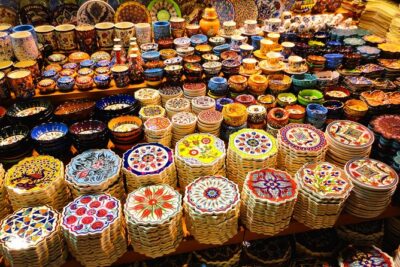
Small-Group Bosphorus Cruise and Istanbul’s Egyptian Bazaar
Read our review →
Hagia Sophia, Blue Mosque, Cistern & Bazaar Tour
Read our review →
Hagia Sophia, Blue Mosque, and Grand Bazaar Tour
Read our review →
Istanbul Old City: Basilica Cistern – Blue Mosque – Grand Bazaar
Read our review →
Morning Istanbul: Half-Day Tour with Blue Mosque, Hagia Sophia, Hippodrome and Grand Bazaar
Read our review →Browse the lists this tour appears in