
Reviewed · MARKETS
Private Guided Bazaar Tour in Istanbul
Grand Bazaar can feel like a maze. This private Istanbul bazaar tour turns that maze into a smart walk through quartz-tile history and ethical shop stops, plus a real mix of rugs, jewelry, leather, and spices with Tour Guide Zerrin. You’ll move through the shopping streets with context, not just pressure to buy. One possible drawback: it is still a market day, so expect crowds, lots of walking, and you’ll need to stay firm on what you want to spend.
What I like most is the way the route is built. You start with the art behind Ottoman tiles in Çagaloglu, then head into the Grand Bazaar’s back streets where locals shop. Later you shift to Kadıköy on the Asian side, using public transport and a public ferry ride, so the day feels like two Istanbul neighborhoods in one sweep.
This tour fits you best if you want craft and food more than showroom shopping. It is also a good choice for first-timers who worry about getting hassled in big markets. Your group stays small, up to 6, and you get pickup from the lobby at the Sura Hagia Sophia Hotel İstanbul area, with the guide meeting you by sign at the start.
In This Review
- Key things that make this bazaar tour worth your time
- Starting at Çagaloglu and learning Ottoman tiles the right way
- How you get oriented in the Grand Bazaar without losing your bearings
- Jewelry workshops and the craft behind Turkish sparkle
- Old rug stores, quality questions, and buying with confidence
- Leather in the bazaar: what to look for beyond the jacket
- The Kadıköy switch: lunch break and a ferry ride to the Asian side
- Misir Çarşısı spice market: more than souvenirs, it’s a smell map
- Kadıköy’s Sali Pazarı style market: produce, fish, flowers, and everyday Istanbul
- Price and value: $350 per group, and what you truly get
- Who this tour suits best, and who might want a DIY day
- Should you book this bazaar tour with Zerrin?
- FAQ
- Is this a private tour?
- How many people can be in a group?
- What language is the tour offered in?
- Do you get hotel pickup?
- How long does the tour last?
- What does the tour include for transportation?
- Is lunch included?
- What are the tour stops?
- What is the cancellation policy?
Key things that make this bazaar tour worth your time
- Quartz-tile lesson before you shop: You learn why Ottoman tiles were made with quartz, and why that matters for durability.
- Grand Bazaar back streets, not just the loud aisles: You get a short local-style orientation before going deeper into artisan shops.
- Art stops with shopkeeper context: Rugs, jewelry, tiles, and leather visits are tied to how items are made and where quality shows.
- A small private group (up to 6): Less rushing, more asking questions, and easier pacing through crowd-heavy lanes.
- Asian-side markets with a ferry ride: You get Kadıköy flavor and the smell-and-sample energy of the spice markets.
- Tips to shopkeepers included: The tour builds in respect for the people showing you their work.
Starting at Çagaloglu and learning Ottoman tiles the right way
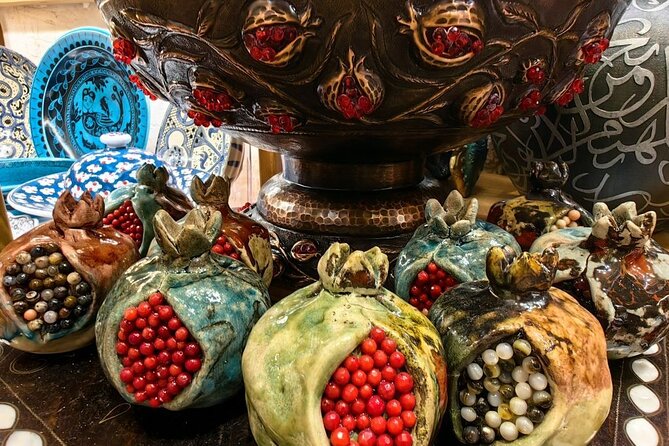
Most bazaar days start with shopping. This one starts with art, specifically tiles, at Çagaloglu. You begin with quartz tile details: in many ceramics traditions, you’ll hear about clay as the base, but Ottoman tiles you see in major sites are explained as being made using quartz. That simple difference changes the story. It turns a “pretty wall pattern” into something you can understand as craft built to last.
This stop is also practical. Knowing what makes Turkish tiles distinct helps you spot fake look-alikes later in the day. Even if you do not buy anything, you leave with a sharper eye for materials and finish. And it sets the tone: this is not just a tour of merchandise, it is a tour of why certain Turkish objects were made the way they were.
One more small win: the stop is listed at about an hour, so you are not wasting half your day before you ever step into the famous market. You get a lesson, then you get motion.
More of Istanbul beyond the obvious sights
- Istanbul Grand Bazaar: From Rooftops to the Secret Passages
★ 4.8 · 337 reviews - Istanbul: Hagia Sophia, Blue Mosque and Grand Bazaar Tour
★ 4.5 · 222 reviews - Small-Group Bosphorus Cruise and Istanbul’s Egyptian Bazaar
★ 3.5 · 208 reviews
How you get oriented in the Grand Bazaar without losing your bearings
The Grand Bazaar is famous for two things: scale and confusion. You will hear the scale, but the confusion is what eats your time. Early on, you walk toward the back streets where locals go, and you do not just pass storefront after storefront like a human pinball.
This short orientation segment matters for two reasons. First, you learn the shopping rhythm. Markets like this are not laid out like shopping malls. People cluster by trade, and the lanes feel crowded because they are designed for frequent, small decisions. Second, you start seeing the Grand Bazaar as a network of workshops and specialist sellers, not just one big souvenir strip.
The tour also includes time in specific artisan stores so you can connect what you learned at Çagaloglu to what you might later see in tile and decor pieces. If you like history, you’ll also appreciate the way the guide frames the bazaar as an ecosystem, not a theme park.
Jewelry workshops and the craft behind Turkish sparkle
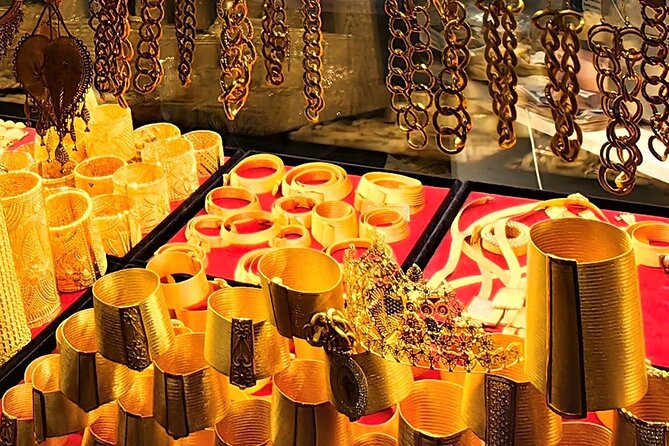
Once you’re deeper in the Grand Bazaar, you move into a Turkish jewelry focus, including visits to smaller workshops and selling points. The itinerary sets this up as a hands-on art stop, tied to the idea that fine jewelry work has been done and sold since the 15th century.
That is a big claim, so the value is in how it’s explained. You’re not just hearing a timeline. You’re seeing how workshops operate inside the market’s maze, and you’re getting a guided interpretation of what different shops specialize in. Even when you do not plan to buy jewelry, this stop helps you understand what “quality” means in a market full of bright displays.
From the overall tone of the experience, one pattern shows up in real-world feedback: the guide steers you toward shops where you can ask questions, and where the focus is on craft more than quick sales. That is a luxury in a place that can feel like constant persuasion.
Old rug stores, quality questions, and buying with confidence
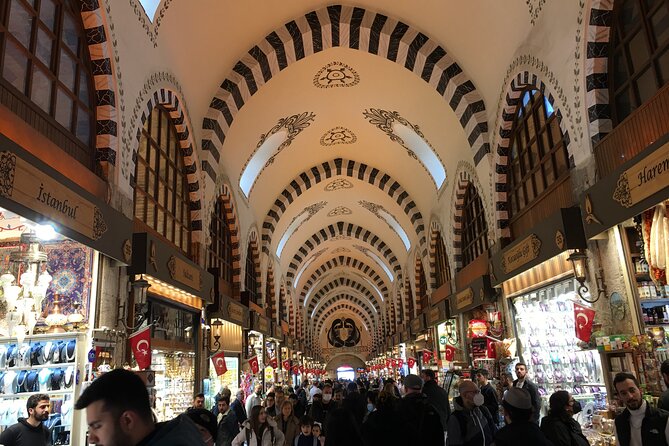
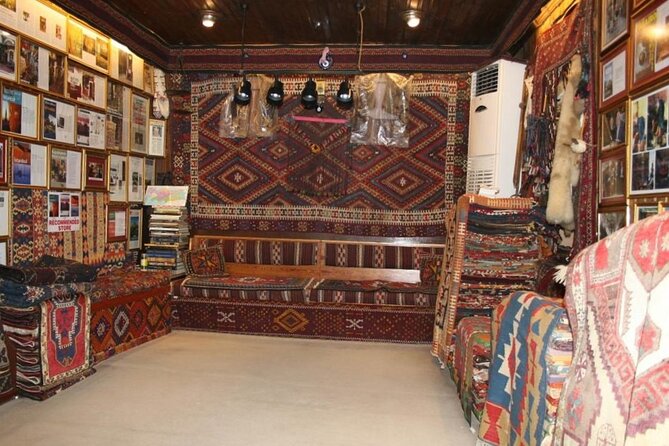
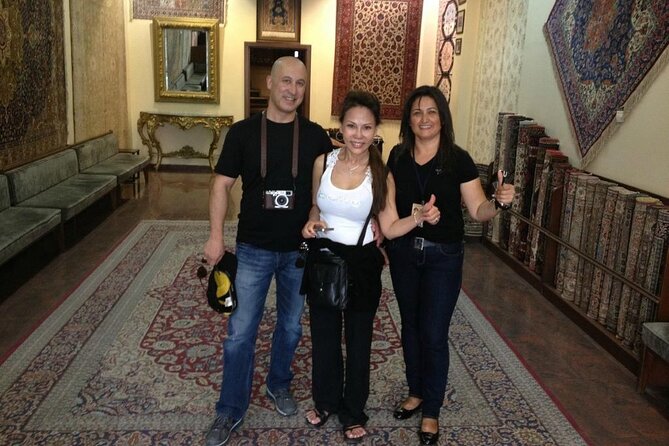
Rugs are where the Grand Bazaar can either feel magical or frustrating. The difference is whether you understand what you are looking at. This tour includes time in the oldest parts of the market and an old family rug store, described as operating since the 18th century.
That matters because older businesses usually have two strengths: they know how rugs are evaluated, and they have survived by staying relevant. You’ll get good information about Turkish rugs, and the guide’s role is to translate the language of rugs into something you can use while you’re standing in front of samples.
What you can do in your own preparation is simple. Before you go, decide what you want the rug to do at home. Is it decorative, a floor piece, or something for wall display? That goal changes what you’ll care about most. During the stop, ask the basic quality questions you can control, like material type and what makes the weave and design look the way it does.
There is also a smart practical angle: the itinerary notes that you most likely will not have lots of time for heavy shopping during this stop, and that’s good. It keeps the day from turning into a single purchase sprint.
Leather in the bazaar: what to look for beyond the jacket
Next up is leather. You visit leather jacket and leather bag stores that range in quality, and the tour frames leather tanning as one of the oldest Turkish jobs from central Asia. That historical context changes your mindset a little. Instead of seeing leather as a trendy buy, you start looking at it as a craft with long roots.
In a market environment, leather shopping can get tricky because the differences between items are not always obvious from a glance. The guide’s job here is to help you compare quality in a way that makes sense, not just bounce between flashy displays.
If you are serious about leather purchases, give yourself permission to be picky. Feel the edges. Check how hardware looks. Look at stitching consistency. If something feels thin or uneven, it probably is. A good guide helps you ask for details, and then you can decide without getting swept up.
Add these before you book flights home:
- Istanbul: Bosphorus Dinner Cruise & Show with Private Table
- Istanbul: Daytime or Sunset Sightseeing Cruise & Audio Guide
- Istanbul: Bosphorus Dinner Cruise & Turkish Night Show
- Best of Istanbul 1, 2 or 3-Day Private Guided Istanbul Tour
- Istanbul: Basilica Cistern Fast-Track Entry and Audio Guide
- Istanbul: Hagia Sophia Skip-the-Line Ticket & Museum Option
The Kadıköy switch: lunch break and a ferry ride to the Asian side
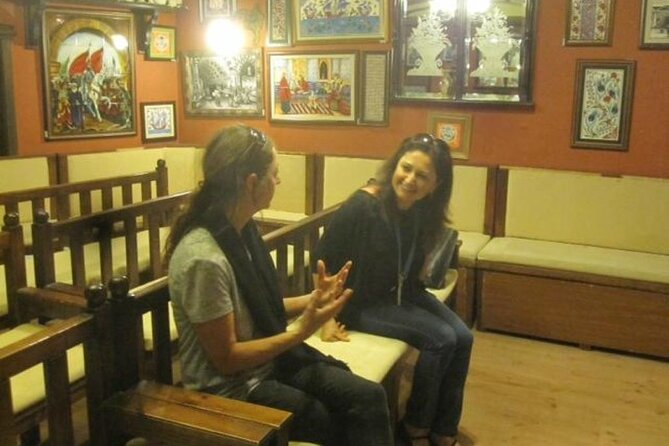
After the Grand Bazaar stretch, you get a break in Kadıköy. The schedule includes a lunch break in a local restaurant for about an hour, with the note that lunch itself is whatever you choose to taste, so it is not included in the tour price. This is a solid reset. Markets drain you. A real meal space gives you back energy and lets you keep walking without making everything feel like a chore.
Then you use public transport, including a public ferry to cross to Kadıköy on the Asian side. The ferry piece is one of the smartest inclusions for value and pacing. It saves you from the stress of transfers while also giving Istanbul a classic perspective from the water.
Kadıköy also changes the mood. You go from the Grand Bazaar’s intense, tourist-heavy lanes into a more everyday market feel. That contrast is part of why this tour works well as a full-day-style experience even when your total time can be closer to a half day.
Misir Çarşısı spice market: more than souvenirs, it’s a smell map
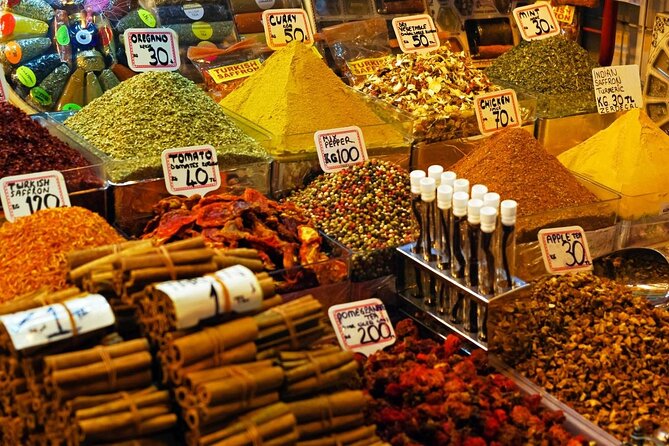
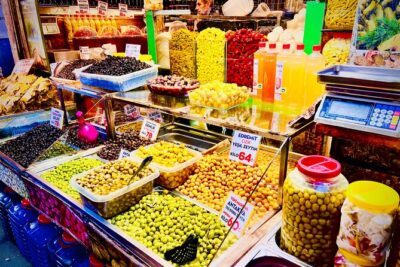
You then hit Misir Çarşısı, also known as the Egyptian Spice Market. This is the part of the day that perks up your senses fast. The market is described as a spice lover’s paradise with hundreds of varieties: spices, herbs, nuts, dried fruits, teas, and sweets.
And it is not just spices. You can find Turkish delight, baklava, cheese, honey, and other local delicacies. The practical value here is that the guide helps you shop in a focused way. Instead of getting overwhelmed by stalls that look identical from far away, you have a path and a plan.
A quick tip for spice shopping in markets like this: decide what you want to use at home, not just what smells good right now. If you’re buying for cooking, pick a few core spices you’ll actually cook with. If you’re buying for gifts, smaller portions often make more sense than one large purchase you might not use.
Kadıköy’s Sali Pazarı style market: produce, fish, flowers, and everyday Istanbul
The last market stop is Kadıköy Market, described as a huge open-air bazaar running from Kadıköy Çarşısı into nearby streets. It covers a wide range: fresh fruits and vegetables, spices, nuts, cheese, fish, meat, flowers, plus clothing, accessories, books, antiques, and souvenirs.
This stop is great if you want Istanbul beyond “famous landmark shopping.” It feels more like daily life, and you can treat it as a browse stop rather than a purchase stop. Even if you do buy something, this section is less about one signature item and more about seeing what people actually stock up on.
Also, because it’s open-air and spread out, it’s a nice transition from the dense indoor feel of the Grand Bazaar. Your legs get a change of pace, even if the day still involves plenty of walking.
Price and value: $350 per group, and what you truly get
The price is $350 per group, for up to 6 people, typically for a 4 to 8 hour window. That sounds high if you’re thinking per person, but it can be very fair if you split it among a group.
Here is the real value math: since the tour is private for your group and the guide is doing all the navigation and explanations, you are paying for time, expertise, and reduced hassle. Plus, some “small costs” are already built in. The itinerary includes professional guidance by Tour Guide Zerrin, tips to shopkeepers, and public transportation like tram, bus, and ferry plus subway use (as needed). You also get a mobile ticket.
What is not included is just as important. There is no private transportation, and lunch is on you based on what you choose to eat. That means you should budget extra for meals and for any shopping you decide to do.
If you want a shortcut to deciding whether this is worth it, ask yourself one question: would you enjoy the markets more with someone steering you toward good shops and helping you understand what you’re seeing? If yes, this price makes more sense.
Who this tour suits best, and who might want a DIY day
This is a strong match for you if:
- You care about craft details like tiles, rugs, jewelry, and leather.
- You want a guided route that helps you avoid wasting time in repetitive storefront loops.
- You want to combine European and Asian side markets with less hassle, including a ferry.
- You like shopping, but you also want context and a more respectful approach.
You might skip this and do it on your own if:
- You hate crowds and prefer quiet, planned sightseeing with fewer market stops.
- You only want one quick stop and not a full, varied market day.
- You do not care about learning anything and just want to wander.
One small but telling detail from the overall vibe is how the tour is described as ethical and focused on helping you shop without being pushed. In markets, that changes the whole experience. You feel in control, not hunted.
Should you book this bazaar tour with Zerrin?
I’d book it if you want the Grand Bazaar to feel like a real Istanbul experience, not a quick tourist checklist. The tour’s best advantage is its structure: it teaches you craft first, then guides you into the right kinds of places to see that craft up close. The quartz-tile start is a clever move, and the later Kadıköy and spice market segments keep the day from feeling one-note.
Book it with confidence if you’re traveling with up to 6 people and you want to split the cost while getting a private, guided pace. If you’re sensitive to walking or crowd energy, consider whether the 4 to 8 hour range works with your stamina.
FAQ
Is this a private tour?
Yes. It is a private tour/activity, and only your group participates.
How many people can be in a group?
The tour price is per group up to 6 people.
What language is the tour offered in?
It is offered in English.
Do you get hotel pickup?
Pickup is offered. The guide meets you at your hotel lobby, and you should be looking for the sign used for the meet-up.
How long does the tour last?
The duration is approximately 4 to 8 hours.
What does the tour include for transportation?
Public transportation is included, such as tram, bus, ferry, and subway. Private transportation is not included.
Is lunch included?
Lunch is not included. There is a lunch break in Kadıköy where you taste local food you choose.
What are the tour stops?
The tour includes Çagaloglu (tiles), multiple stops in the Grand Bazaar focused on artisan crafts, a lunch break in Kadıköy, the ferry to Kadıköy on the Asian side, Misir Çarşısı (Spice Market), and the Kadıköy Market open-air area.
What is the cancellation policy?
Free cancellation is available. You can cancel up to 24 hours in advance for a full refund.
Newest tours in Istanbul


Markets, compared.
Istanbul Grand Bazaar: From Rooftops to the Secret Passages
Read our review →
Hagia Sophia, Blue Mosque and Grand Bazaar Tour
Read our review →
Small-Group Bosphorus Cruise and Istanbul’s Egyptian Bazaar
Read our review →
Hagia Sophia, Blue Mosque, Cistern & Bazaar Tour
Read our review →
Hagia Sophia, Blue Mosque, and Grand Bazaar Tour
Read our review →
Istanbul Old City: Basilica Cistern – Blue Mosque – Grand Bazaar
Read our review →
Morning Istanbul: Half-Day Tour with Blue Mosque, Hagia Sophia, Hippodrome and Grand Bazaar
Read our review →Browse the lists this tour appears in