Reviewed · PRIVATE
Private 14 Days Turkey Trip from Istanbul
Fourteen days can feel like a whirlwind, or a well-run plan. This one stays private, with English-speaking guides and door-to-door pickup, then strings together the big Turkey highlights in a logical route. I like that you’re not left to figure out logistics between regions, which is the part that usually eats vacation time.
Two things I especially like: the fast-entry setup for Hagia Sophia, and the way the itinerary mixes major monuments with slower, scenic breaks like Pamukkale and parts of Cappadocia. One thing to think about up front is the driving, some days are long and you’ll want comfortable shoes, water, and patience for transit between towns.
In This Review
- Key Highlights You Will Feel on This Trip
- Why This 14-Day Turkey Route Feels Private (and Actually Works)
- Istanbul Airport Pickup and the First Orientation Day
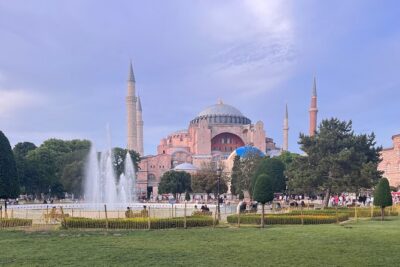
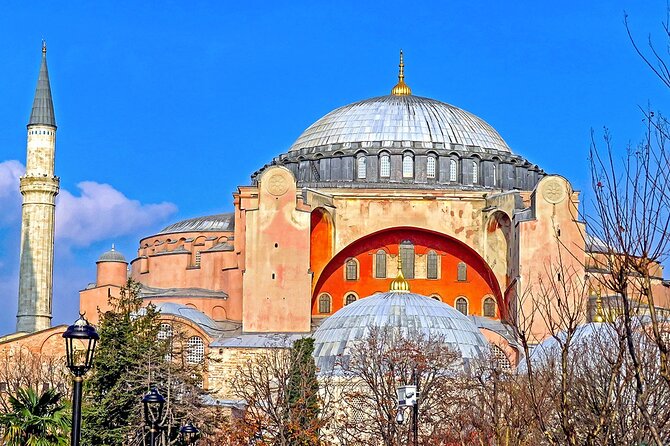
- Fast Entry to Hagia Sophia, Plus Blue Mosque and Topkapi Without Chaos
- Gallipoli Peninsula Memorials, Then Troy and Pergamon’s Acropolis Views
- Ephesus, Artemis, the Museum, and the House of Virgin Mary
- Pamukkale: A Reset Day You Actually Need
- Antalya’s Duden Falls and Aspendos Theatre
- Konya’s Mevlana Museum and the Caravanserai Feel
- Cappadocia: Dark Church Access, Cave Valleys, and Underground Kaymakli
- Ankara Stops: Lake Tuz Mirror Moments and Ataturk’s Mausoleum
- Istanbul Farewell Day, Airport Transfer Timing, and What You’ll Have Left
- Price and Logistics: What $7,409 Per Person Buys You
- How to Prepare So the Long Days Feel Easy
- Should You Book This Private 14-Day Turkey Trip?
- FAQ
- Is pickup included when I arrive in Istanbul?
- What language are the guides during the tour?
- Are entrance fees included for the sights?
- Does the price include breakfast?
- Are international flights included?
- Is the tour private or shared?
- Is the tour suitable for travelers over 80?
Key Highlights You Will Feel on This Trip
- Fast Entry at Hagia Sophia: a reserved route designed to reduce time in the heaviest crowd moments.
- Private A/C transfers, not shared shuttles: you travel with your group only, so timing is easier.
- Well paced history, not nonstop ruins: you get structured stops with breaks built in, plus quieter sightseeing days.
- Pamukkale thermal pools time built in: you get a guided visit plus a special chance to relax in warm travertine water.
- Cappadocia variety in two days: cave churches, valleys, viewpoints, and an underground city all in one arc.
- Planning support that actually replies: in at least one past booking, Emily from Agate was singled out for quick, easy communication and solid organization on the Turkey end.
Why This 14-Day Turkey Route Feels Private (and Actually Works)
This trip is set up as a private experience. That matters more than it sounds, because Turkey is big and distances add up. With private A/C vehicle transfers and an experienced driver, you spend less time waiting around and more time where you want to be: at the sights.
Your guide works in English throughout the itinerary. That means you’re not just looking at buildings and mosaics, you’re getting context as you go. The route also front-loads Istanbul so you can get your bearings early, then it moves west to Gallipoli and Troy, down to Ephesus and Antalya, then inland to Konya, Cappadocia, and Ankara, before returning to Istanbul.
Now the practical note: this is not a slow, sit-on-a-bench kind of trip. Even with planned breaks, you will have travel days with multi-hour drives. If you get cranky in cars, pack smart and plan for early starts.
More of Istanbul beyond the obvious sights
- Istanbul: Bosphorus Dinner Cruise & Show with Private Table
★ 4.8 · 62,058 reviews - Best of Istanbul 1, 2 or 3-Day Private Guided Istanbul Tour
★ 5.0 · 8,922 reviews - Istanbul: Private Turkish Bath, Massage, and Spa in Old City
★ 4.6 · 3,225 reviews
Istanbul Airport Pickup and the First Orientation Day
Day 1 is simple on purpose. You land, meet a local representative at Istanbul Airport with a sign with your name, then ride to your hotel in a private car. On the way, there’s a short introduction to the itinerary, so tomorrow doesn’t feel like a cold start.
After check-in, the rest of the day is yours. That’s valuable. Jet lag hits hardest when your first day is full of scheduled tours. Here, you can settle in, eat something easy, and rest up for the old city sprint starting the next morning.
Your tour start time is listed as 9:00 am, which is helpful when you’re planning your airport timing. Just keep in mind that day-by-day timing inside the city depends on meeting times set by your guide.
Fast Entry to Hagia Sophia, Plus Blue Mosque and Topkapi Without Chaos
Day 2 is the classic Istanbul old city circuit, and it’s built around the places that can feel overwhelming on a bad day. The key advantage is the reserved approach at Hagia Sophia, where you’re set up to avoid the worst crowd crush.
From there you move to Sultanahmet Square for the Hippodrome of Constantinople area, with a special mention of the Serpent Column. It’s a good stop if you like small details that hint at layers of empire. Even if you don’t plan to memorize names, it helps you connect the dots between Byzantine and Ottoman Istanbul.
Next is the Blue Mosque, where the interior light through stained glass is the star. The guide will point out the six minarets and the blue-and-white Iznik tiles, which is where your photos will look best. Two hours here is enough to see it thoughtfully without feeling rushed.
In the afternoon you head to Topkapi Palace. The standout mentioned is the China porcelain collection. It’s a clever way to show how Istanbul sat at a crossroads: imported through historic trade routes and then prized by Ottoman elites. If your timing hits a Tuesday closure for Topkapi, the plan swaps in the Basilica Cistern, so you still get Ottoman and Byzantine atmosphere.
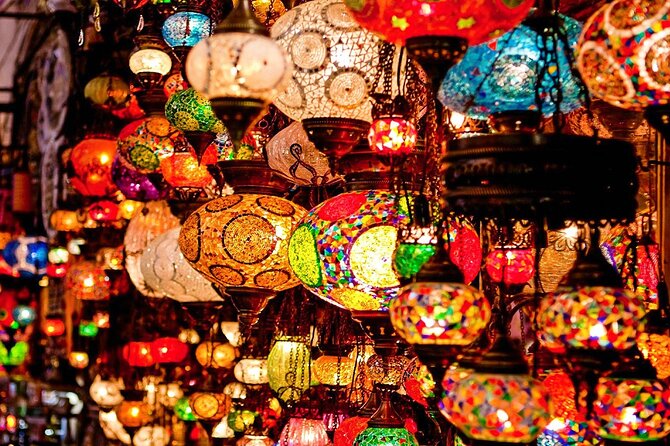
To cap the day, you head to the Grand Bazaar. It’s long, loud, and designed for browsing. If you want souvenirs, this is where you can shop for handicrafts or sample Turkish cuisine. If shopping isn’t your thing, treat it as a cultural wander and look for the architectural rhythm of the covered lanes.
Practical tip: on this kind of Istanbul day, you’ll want a small day bag, comfortable walk-friendly shoes, and a plan for prayer schedules. Even when sites are open, crowds can move around fast.
Gallipoli Peninsula Memorials, Then Troy and Pergamon’s Acropolis Views
Day 3 shifts from Istanbul’s monumental scale to something more emotionally loaded. You drive about 4.5 hours to the Gallipoli Peninsula Historical National Park. The stop is designed for reflection around the Gallipoli Campaign. You’ll have around three hours there, which feels right for a memorial visit where the point is to absorb and read, not just snap photos.
After that you drive around an hour to Canakkale, where you check into a local hotel overnight. This is smart pacing. It stops the day from turning into another late, long arrival.
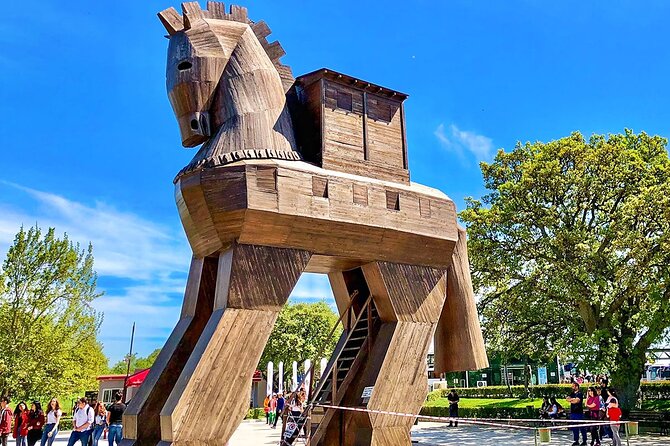
Day 4 starts with Troy Ancient City for 1 hour 30 minutes. You explore multiple sections, and the Trojan Horse is highlighted as a vivid anchor for the myth that echoes through the site. Even if you’re not a mythology deep-dive person, the physical layout makes it easy to understand why Troy captured imaginations.
Then you travel about three hours to Pergamon Ancient City, focused on the acropolis. The time you have is around two hours, and the acropolis layout does what the best ruins do: it gives you scale. You’ll see remnants of temples, palaces, theaters, and more, which is a lot to pack into one visit, but the acropolis viewpoint structure helps.
You end the day in Kusadasi (about 2.5 hours drive), a seaside town on a hillside. Overnight here is a useful base for the next day’s Ephesus sweep.
Ephesus, Artemis, the Museum, and the House of Virgin Mary
Day 5 is the kind of day classic Turkey itineraries are built for: Ancient Ephesus plus a few themed add-ons so the day doesn’t feel like one long ruin walk.
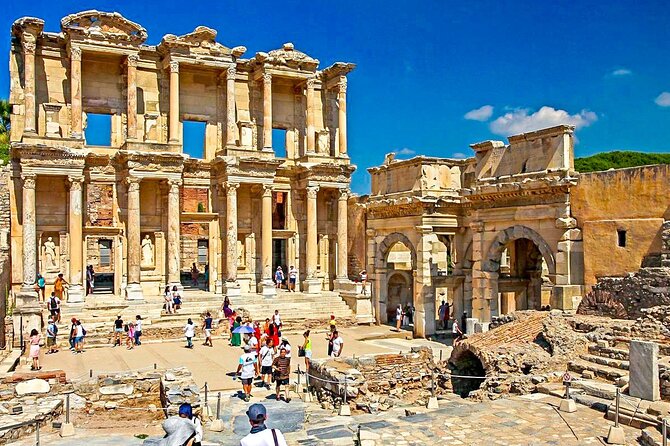
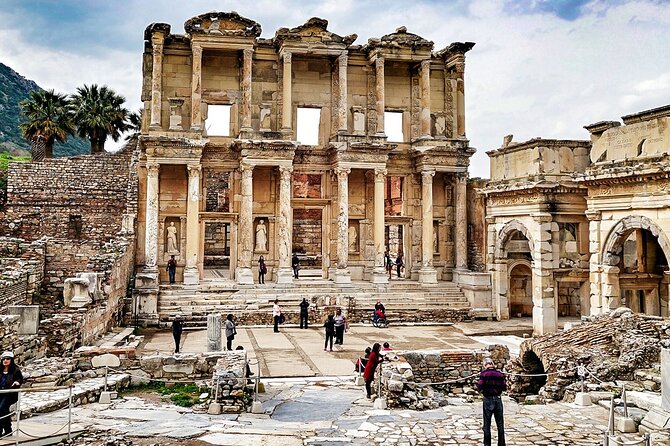
First is Ephesus Ancient City, with a guide-led focus on major areas. Expect stops like Curetes Street, Celsus Library, Great Theater, Baths of Varius, and Hercules Gate. Two hours is plenty for the main hits, but don’t expect time to linger in every corner. Use the time to choose what you want to see most, then let the guide bring the rest to life.
After lunch time in the itinerary, you go to the Temple of Artemis, described as one of the Seven Wonders. Even in ruins form, it’s worth your camera time because it shows how large-scale power once looked.
Next is the Ephesus Archaeological Museum. The highlight is the world’s oldest and best preserved Artemis statue. The description also notes egg-shaped objects and breast imagery connected to fertility themes. If you like symbol-reading and not just architecture, this stop is where your brain gets fed.
Finally, you visit the House of Virgin Mary. This one is quieter and smaller, set up for a calm, respectful experience. It’s a nice tonal shift after dense archaeological areas.
You end with a return to the hotel. That wrap-up matters because next you have a more relaxed day planned.
Add these before you book flights home:
- Istanbul: Daytime or Sunset Sightseeing Cruise & Audio Guide
- Istanbul: Bosphorus Dinner Cruise & Turkish Night Show
- Istanbul: Basilica Cistern Fast-Track Entry and Audio Guide
- Istanbul: Hagia Sophia Skip-the-Line Ticket & Museum Option
- Istanbul: Hodjapasha Whirling Dervishes Show & Exhibition
- Topkapi Palace and Harem Skip-the-Line-Tickets & Audio Guide
Pamukkale: A Reset Day You Actually Need
Day 6 is a breather, and I appreciate that. The itinerary explicitly starts with a lie-in and a hearty breakfast because there’s no planned activity in the morning. Then in the afternoon you’re escorted to Pamukkale after a 2.5-hour drive, check into a selected hotel, and enjoy the pools on-site.
On paper, a hotel with pools might sound like filler. In reality, Pamukkale day timing matters. You’ll do a lot of walking the next day, so having indoor and outdoor pools becomes a quiet way to recover your feet.
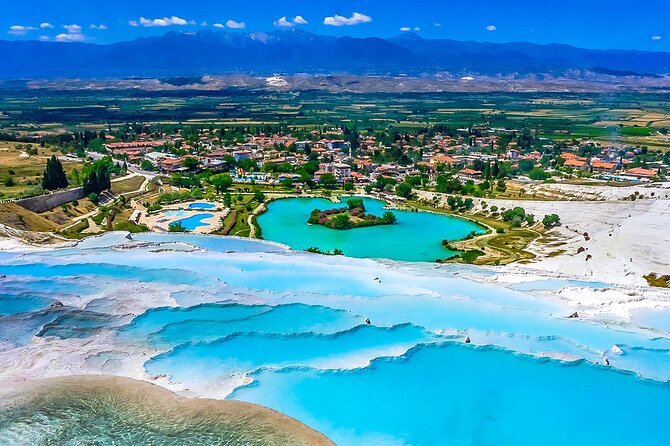
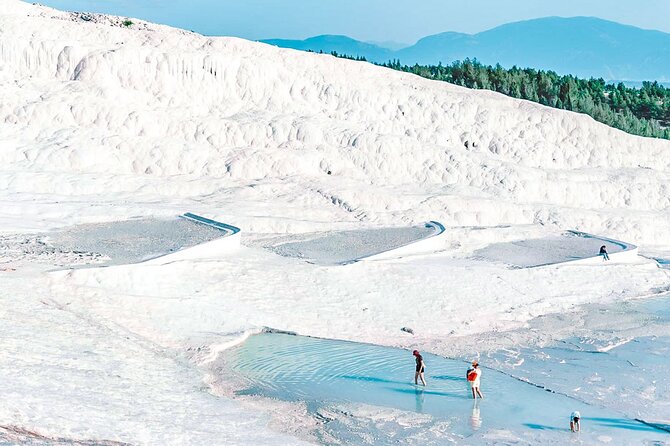
Day 7 is where the focus turns to the thermal miracle. You visit Pamukkale Thermal Pools where you see the cotton-like travertine look created as spring water flows down the mountain. The itinerary highlights the white limestone terraces and a pale pink area near the top, which tends to be visually distinctive.
Then there’s a special segment called Relax in Warm Embrace of Travertine Pool. That’s your structured chance to actually experience the thermal water, not just look at it from a distance. After that, you head to Hierapolis for a few hours.
At Hierapolis, the highlight called out is the Cleopatra Antique Pool. It’s linked to therapeutic thermal waters and Roman-era relics. The naming is part myth, part memory, but the pool setting is exactly why people keep coming back.
In the afternoon you drive to Antalya (about 3.5 hours). Arriving by dusk gives you a different mood. After check-in, you walk the narrow alleys of the old town with sea air in the background, and you can browse roadside shops and cafes at your own pace.
Antalya’s Duden Falls and Aspendos Theatre

Day 8 gives you two nature-meets-ancient stops.
First is Upper Duden Waterfalls. It’s close to the city, only about 20 minutes drive, and the setting in a valley makes it feel like more than a quick roadside photo stop. You’ll have around 1 hour 30 minutes, with options to pause at the cascade or continue along the boardwalk for viewpoints and mist.
Then you move to Aspendos Theatre after about one hour. The itinerary leans into the theatre’s symmetry and the acoustics. There’s even a legend-style cue that if a coin is dropped in the middle of the stage, you can hear it reverberate around the space. You might try to listen for the sound effect, but even if you don’t, the theatre’s design is easy to appreciate.
This is a shorter day by sightseeing standards, which I see as a win. It balances the heavier history blocks elsewhere.
Konya’s Mevlana Museum and the Caravanserai Feel
Day 9 shifts inland to Konya, with about a four-hour drive. Konya is presented as one of Turkey’s oldest cities and a cultural center, and the plan focuses on religion, art, and Silk Road routes.
You visit the Mevlana Museum, where Mevlana is buried. The itinerary also references the founder of the Turkish Whirling Dervishes, with the museum using wax figures to show ascetic life and spirit. The tone is reflective, not touristic.
Next is Karatay Medresesi Museum, also known as a tile works museum. Since it’s set in a 13th-century academy, it’s an easy place to understand how craftsmanship became a language in itself.
Last is Sultanhanı Caravanserai, a 13th-century stop for merchants. The details are what make it feel real: a small mosque at the center, plus rooms with specific functions like bathrooms and medical areas. It’s the closest this itinerary gets to the “day in the life” of Silk Road travelers.
You finish the day at a local hotel overnight, which keeps tomorrow’s long drive into Cappadocia from feeling rushed.
Cappadocia: Dark Church Access, Cave Valleys, and Underground Kaymakli
Days 10 and 11 are your full Cappadocia window. The itinerary starts with a about four-hour drive from Konya and then goes straight into Northern Cappadocia.
Your first major stop is the Goreme Open Air Museum. The plan emphasizes cave churches carved into the karst landscape and notes more than 30 cave churches spread across the valley. Most of the value here is guide-led explanation of how monks carved churches out of rock.
There’s also a special Enhanced Privilege: Special Access to the Dark Church. The “dark” church reference signals a different kind of interior experience than the brighter cave spaces. Even if you have no art background, this type of access is usually the reason people pick one Cappadocia tour over another.
Then you head to Avanos, where pottery made with red clay is the theme. The itinerary includes a guide-led look at how clay becomes pottery. If you like crafts and want to buy something that looks locally made, this is one of the best places to see the process.
Next is Paşabağ Vadisi (Monks Valley), with fairy chimneys in different shapes and sizes. After that, Devrent Valley (Imagination Valley) focuses on rocks that resemble animals, which is more fun than it sounds if your guide plays along.
The last segment in the evening is the Love Valley viewpoint for sunset views. The plan also includes a short stop at “Tatildokya Balloon Cappadocia Tour & Travel Agency.” It doesn’t spell out a balloon ride, so treat that as an agency-related stop tied to the day’s timing, not as an included flight. The sunset part is the main reason to be there.
Day 11 takes you to southern Cappadocia. You start with Cavusin Village and the Great Basilica (St. John the Baptist Chapel). Then you hike Red Valley for about two hours, with red volcanic columns and vineyards and orchards in the contrast. The itinerary calls this out as a great photo window, and in practice, the hike format is what makes it worth it, not the speed.
Next is Uchisar Castle, carved from a giant rock. The top viewpoint is your payoff, so make sure you have enough time to look around before photos take over.
Then comes Pigeon Valley with pigeon nests carved into cliffs, plus a clay-pot tree mentioned as a photo spot. The final Cappadocia stop is Kaymakli Underground City, where the itinerary notes ladders connecting floors, vertical shafts, and escape routes. This type of site is cool because it shows how people engineered survival, not just how they built homes.
After Kaymakli you return to your cave hotel. That overnight base is part of the Cappadocia rhythm.
Ankara Stops: Lake Tuz Mirror Moments and Ataturk’s Mausoleum
Day 12 is a transition day: you leave Cappadocia and drive about 4.5 hours toward Ankara.
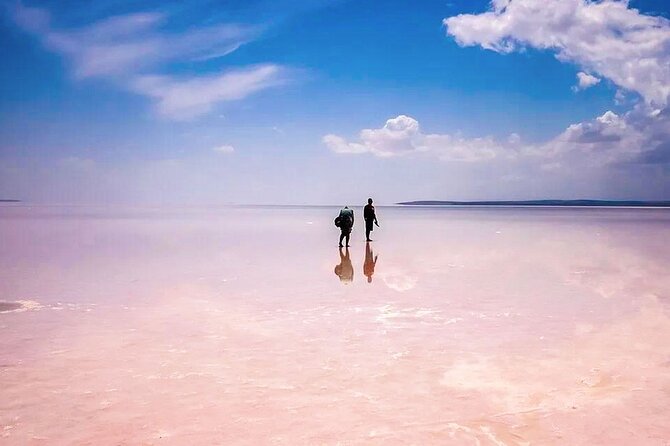
On the way, you stop at Lake Tuz. The plan highlights the mirror-like look of shallow water and includes a practical detail: slippers are required for a Lake Tuz welcoming ceremony, described as a tingling sensation from salt crystals. That’s one of those “yes, this is the point” stops, but keep in mind you’re dealing with salt and water, so plan accordingly with footwear and towels.
In Ankara, you visit the Museum of Anatolian Civilizations, described as an award-winning museum and covering periods from Paleolithic to Urartian. It’s a good way to reset from ruins and valleys into curated indoor learning.
Finally, you visit Anıtkabir, Ataturk’s Mausoleum. The itinerary frames it as solemn and also functioning as a museum, displaying Kemal’s artifacts. Even if you’re not a political history buff, it’s a structured place to understand modern Turkey’s founding story.
Day 13 returns you to Istanbul by driving about 5 hours. The afternoon is left open for your own plan, which helps if you want a final shopping wander or a calmer meal before your last day.
Istanbul Farewell Day, Airport Transfer Timing, and What You’ll Have Left
Day 14 is your last day in Turkey. Depending on your flight time, your driver picks you up from the hotel and transfers you to the airport.
That matters because you avoid the last-minute scramble that turns a trip sour. You also avoid adding your own taxi or transit stress when jet lag and packing are already doing their job.
At this point, you’ll have seen a lot of Turkey in one line: Byzantine Istanbul, Ottoman treasures, Trojan mythology made physical, Roman engineering in theatre form, thermal terraces, Mediterranean falls, Silk Road stops, cave landscapes, and inland modern Turkey.
Price and Logistics: What $7,409 Per Person Buys You
At $7,409 per person, this is not a budget trip. The value is in the private structure, the guide coverage, and the included admissions.
Here’s what’s included:
- English speaking guides per itinerary
- Transfers in private A/C vehicle with an experienced driver
- Entrance fees for the sights listed as visited
- Taxes and service charges
- Breakfast for 13 days (breakfast is explicitly included)
What’s not included:
- International flights into and out of Istanbul
- Personal expenses (laundry, phone, drinks, and similar)
- Tips for guides and drivers
- Travel insurance
- Turkey visa fee
So the real question becomes: is paying more worth it versus piecing together your own hotels and transport? For many people, yes, because Turkey planning gets complicated fast. If you’re a first-time Turkey visitor or you’d rather spend your energy on sightseeing than schedule-chasing, this price starts to make sense.
Also note this trip is not listed as suitable for people over 80 years old. And like any private guided loop, you’ll want to think carefully before committing since the experience is stated as non-refundable and not changeable once booked.
How to Prepare So the Long Days Feel Easy
This itinerary includes long car days and big walking days, even when the schedule includes time blocks that sound short on paper. Your best help is basic prep.
- Wear comfortable, broken-in shoes for sites like Ephesus, Pamukkale, and Cappadocia valleys.
- Bring sun protection, because Istanbul, Antalya, and Cappadocia all work best with clear skies, and that means strong light.
- Keep a small water plan for driving days, and pace your shopping time at the Grand Bazaar so it stays fun.
- If you’re sensitive to crowds, lean into the fast-entry advantage at Hagia Sophia and arrive early for any early departures.
If you like clear structure, you’re in good shape. If you want total freedom to linger and drift, you might feel boxed in on days with a packed order of sites.
Should You Book This Private 14-Day Turkey Trip?
I’d book it if you want a well structured Turkey circuit with private transfers, English guides, and admissions handled for you. It’s especially strong if you care about variety, not just one region. You get Istanbul’s big monuments, the emotional weight of Gallipoli, the archaeology of Troy and Pergamon, the major Ephesus complex, thermal Pamukkale, Roman theatre at Aspendos, Silk Road flavors in Konya and caravanserai stops, then Cappadocia’s valleys and underground city.
I would pause before booking if you hate driving days or you want a lot of unscheduled time every afternoon. This trip gives you some freedom on Day 1, Day 13, and Day 14, but most days are scheduled.
FAQ
Is pickup included when I arrive in Istanbul?
Yes. Upon arrival at Istanbul Airport, a local representative will pick you up holding a board with your names and transfer you to your hotel.
What language are the guides during the tour?
The tour includes English speaking guides per itinerary.
Are entrance fees included for the sights?
Yes. Entrance fees for the sights visited are included, along with government taxes and service charges.
Does the price include breakfast?
Yes. Breakfast is included for 13 days.
Are international flights included?
No. International flights into and out of Istanbul are not included.
Is the tour private or shared?
This is a private tour/activity, so only your group participates.
Is the tour suitable for travelers over 80?
The tour is not listed as suitable for people over 80 years old.
Newest tours in Istanbul



Private, compared.
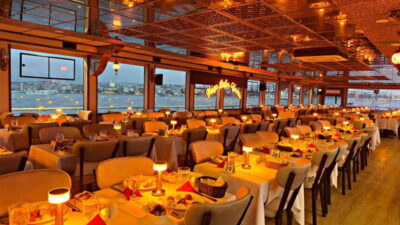
Bosphorus Dinner Cruise & Show with Private Table
Read our review →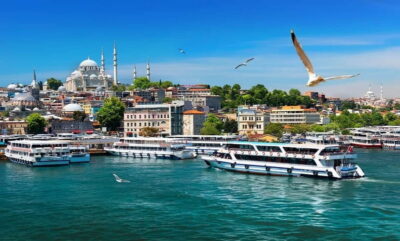
Best of Istanbul 1, 2 or 3-Day Private Guided Istanbul Tour
Read our review →
Private Turkish Bath, Massage, and Spa in Old City
Read our review →
Bosphorus Dinner Cruise with Show and Private Table
Read our review →
Private Transfer from Istanbul Airport to Fatih, Beyoglu and Besiktas
Read our review →
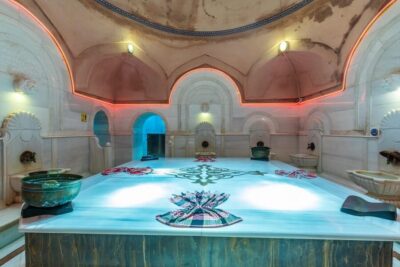
Acemoglu Historical Turkish Bath w/Private Options
Read our review →