
Reviewed · COOKING CLASSES
Istanbul Vegan/Vegeterian Cooking Class with Locals at Home
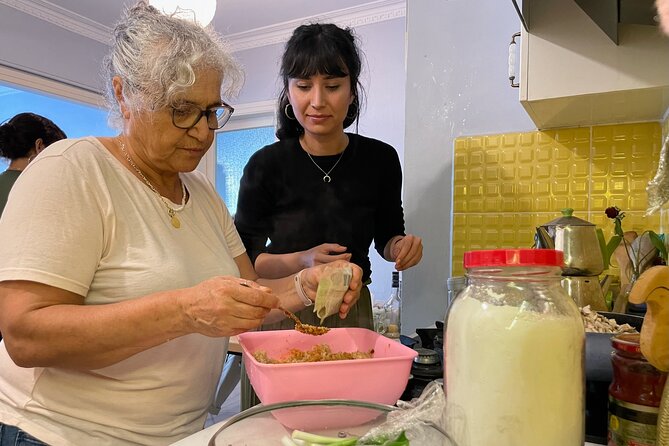
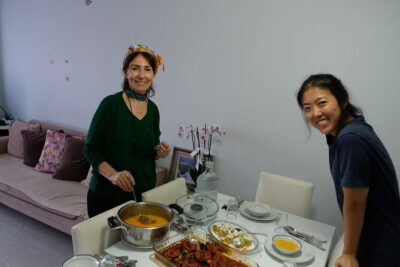
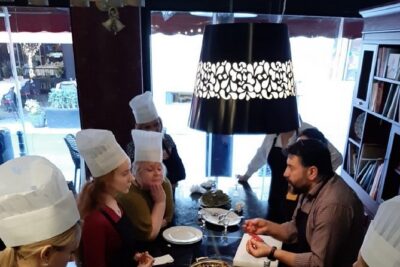
Three hours, one shared Istanbul kitchen. This vegan class feels like you’re invited into a real home, not herded through a production line. I love the hands-on cooking help and the way you start with tea and conversation, then sit down together for a full family meal. One thing to consider, it’s a home setup with a small group, so it’s not the right choice if you want a formal, restaurant-style experience.
You meet in Beyoğlu, near public transportation, and the class is in English. The group stays small (max 8), which matters because you actually get to do the work, ask questions, and learn why each ingredient matters.
In several visits, the main host is Rojda, and one review also mentions Maral and her mother as part of the hosting team. Either way, the consistent theme is warm, personal guidance and a lot of food on the table.
In This Review
- Key things I’d clock before you book
- Why this vegan Istanbul class feels different than eating out
- Meeting in Beyoğlu, then going straight into a home kitchen
- Tea, conversation, and the spice stories that make the food click
- The hands-on cooking part, built for small-group help
- What you’ll cook: vegan Turkish classics with real street-food energy
- Vegan Dürüm as a starter you can actually replicate later
- Vegan Kokoreç, a plant-based twist on famous street food
- Kısır, bulgur, herbs, and the kind of flavor that sticks with you
- Vegan Mantı, Turkish dumplings with a fresh plant-based approach
- You might also touch favorites like Dolma or Mücver
- The family meal, tea at the table, and how the evening actually flows
- How to judge the value of $93 for a 3-hour home class
- Who should book this class, and who might skip it
- A few practical tips to make your evening smooth
- Should you book this Istanbul vegan home cooking class?
- FAQ
- What time does the Istanbul vegan cooking class start?
- How long is the cooking class?
- Where do I meet the host?
- Is this a small-group experience?
- What language is the class taught in?
- What dishes are included in the sample menu?
- Will I eat the food I cook?
- Are service animals allowed?
- Is cancellation free?
Key things I’d clock before you book
A home-cooked vegan take on classic Turkish dishes
You convert traditional favorites into plant-based versions, including street-food style options.
Tea plus real chat before you start cooking
You settle in, talk spices and ingredients, and get comfortable before the knives and pans come out.
You cook multiple dishes, not just one recipe
Expect a serious meal plan, with some groups handling 5+ dishes and even more in longer, busy sessions.
Small-group attention (up to 8)
The format is built for personal help as you go, especially if you’re new to Turkish cooking.
You leave with the flavors to recreate later
The goal is that you can make these dishes at home, not just taste them once.
English-friendly, easy to join
The class runs in English and uses a mobile ticket, with confirmation at booking.
Why this vegan Istanbul class feels different than eating out
Istanbul can be great for food, but outside of a few places, it can be hard to find truly satisfying vegan meals that still feel like Turkish cooking. This is exactly why I like this class: it turns the usual problem into the main event.
Instead of translating menus for you, you learn how to build Turkish flavor using plant-based ingredients. That means you’re not just eating vegan food, you’re learning the logic behind it, the spice balance, the textures, and the way bulgur, herbs, and vegetables get treated like the center of the plate.
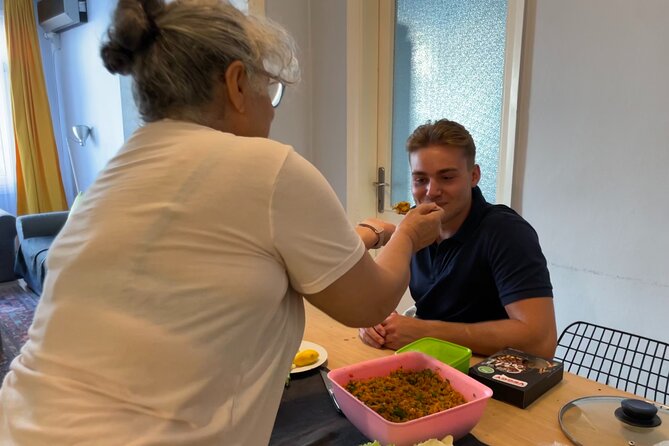
Roll your own dolma, then eat it
- Private Turkish Cuisine Cooking Class with Local Moms
★ 5.0 · 114 reviews - Traditional Home Cooking with a Local in İstanbul City Center
★ 5.0 · 82 reviews - Traditional Home Cooking with a Local in İstanbul Center
★ 4.9 · 78 reviews
Meeting in Beyoğlu, then going straight into a home kitchen
You start at 5:30 pm at Ufak Sokak Gümüşsuyu, Ufak Sk., 34437 Beyoğlu, İstanbul. Then you end back at the meeting point, so you’re not stuck figuring out a route after the meal.
This location choice is practical. Beyoğlu is a working, walkable part of Istanbul with public transportation nearby, so you can arrive without a major transit puzzle. And because it’s in a home, the pacing is less rushed than many food tours. You’re not sprinting between stops, you’re settling in.
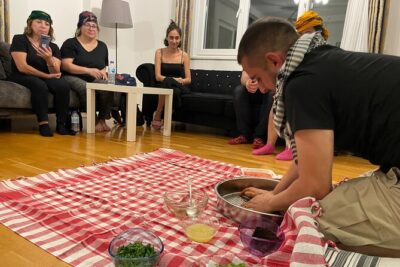
A heads-up for your own expectations: since this is a cozy home setup, it’s not designed like a cooking studio with everything staged and spotless. You cook, you move, you share counter space. If you like that kind of real-life travel experience, you’ll be happy.
Tea, conversation, and the spice stories that make the food click
Before cooking starts, there’s time to chat and get to know your host and group. Tea is part of the flow, and it’s not just a prop. This is where you learn what to notice about Turkish ingredients.
You’ll likely talk about spices, ingredient choices, and how Turkish cuisine often uses certain flavor patterns, even when you swap ingredients for vegan versions. That matters later, when you’re trying to recreate dishes at home and you don’t want to guess.
The hands-on cooking part, built for small-group help
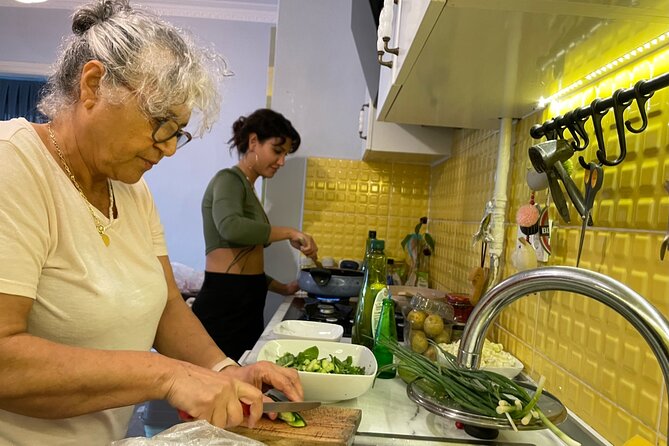
Once the group is warmed up, you start cooking together. The format is very hands-on, with personalized help as you go. That’s one of the biggest reasons I’d pick this over a demo-only class.
The host guides you through steps while you work, which is how you learn faster. If you’re a beginner, you get structure. If you’re comfortable in the kitchen, you can move more confidently and still learn what makes Turkish flavors taste Turkish.
Also, because the class size is capped at 8, it doesn’t feel like you’re waiting for your turn. You can ask the practical questions that normally get buried in large groups, like how thick should a mixture be or what a spice blend should smell like.
What you’ll cook: vegan Turkish classics with real street-food energy
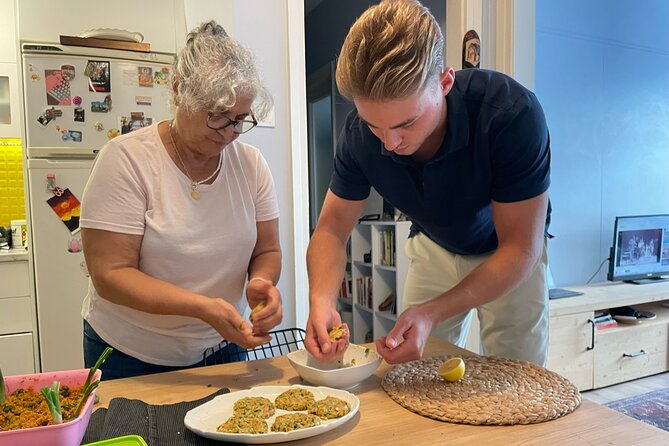
The sample menu gives you a clear idea of the main dishes. Here’s what those dishes mean in real, everyday terms, and why they’re good choices for a vegan class.
More of Istanbul beyond the obvious sights
- Istanbul: European and Asian Side Guided Foodie Walking Tour
- Istanbul: Guided Food Tour with Ferry Ride and Tastings
- Turkish Food Night and Rooftop Experience Istanbul
- Istanbul: Turkish Food Night and Rooftop Experience
- Istanbul: Guided Food and Culture Tour
- Istanbul Food Tour – History and Culture of Turkish Culinary
Vegan Dürüm as a starter you can actually replicate later
You start with Vegan Dürüm, Turkish wrapped meals prepared with veggies. Dürüm is one of those comfort foods that feels street-fast, but when you learn the components, it becomes a flexible base recipe.
What you’re really learning here is assembly and balance. Wrapping teaches portioning, seasoning inside the filling, and how to keep the texture right so the wrap doesn’t collapse.
Vegan Kokoreç, a plant-based twist on famous street food
Next comes Vegan Kokoreç, a vegan version of a famous street food. The big win of this dish as a class item is that it trains your palate. It shows you how Turkish street-food flavor can be recreated without the usual meat ingredient.
You also get practice with the idea of “bite.” Kokoreç is known for its savory, spiced, textured feel. Even in vegan form, you’re not aiming for bland vegetable mush, you’re aiming for something that feels like street food.
Kısır, bulgur, herbs, and the kind of flavor that sticks with you
Then you cook Kısır, described as the most tasty thing you can cook with bulgur. Kısır is the kind of dish that works in many settings, but here it becomes a lesson in technique: bulgur is doing heavy lifting for both texture and taste.
You’ll likely work with herbs and seasoning to get that signature tang and fragrance. Once you’ve tasted a good Kısır, you’ll understand why it’s a staple at gatherings. And once you’ve made it, you can stop treating bulgur as a bland side dish.
Vegan Mantı, Turkish dumplings with a fresh plant-based approach
You also make Vegan Mantı, vegan Turkish dumplings. Dumplings sound fancy, but they’re actually a great class format because you learn structure, not just flavor.
If you’ve never done dumpling dough before, this is a hands-on way to learn. If you have, it’s still useful because vegan mantı often requires smart choices to hit that right bite and keep sauces and toppings balanced.
You might also touch favorites like Dolma or Mücver
Beyond the sample menu, the experience description calls out personal favorites such as Vegan Dolma and Mücver. That’s a good sign for variety. If the kitchen timing allows it, you may get exposure to additional Turkish classics converted to vegan versions, which is great if you want more than one meal you can recreate.
The family meal, tea at the table, and how the evening actually flows
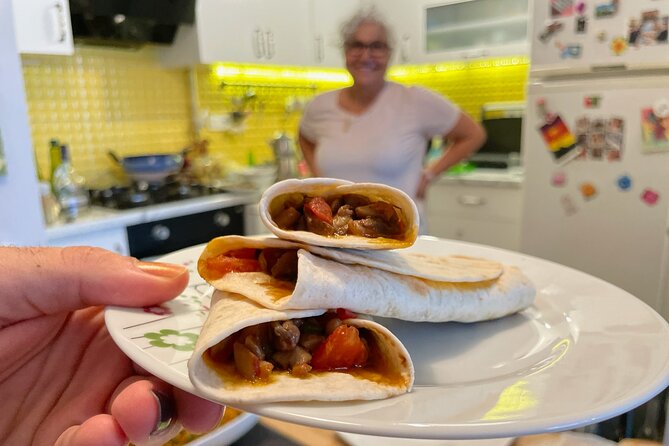
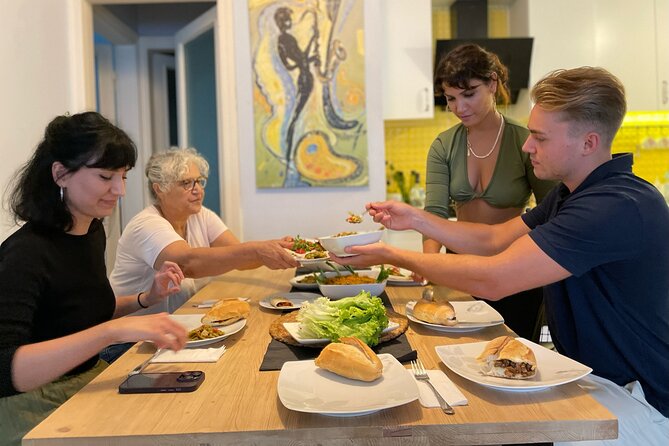
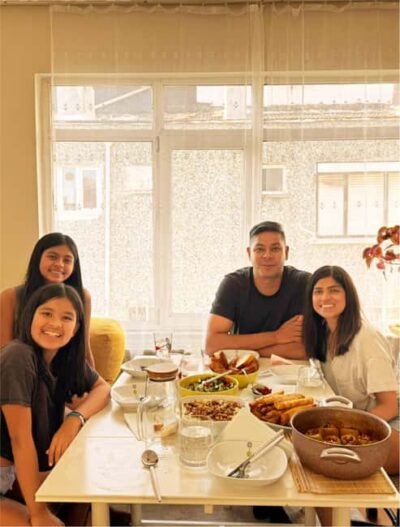
After cooking, the best part kicks in: a family meal session. This is where all the work turns into shared plates, conversation, and that relaxed home-food feeling you rarely get on restaurant meals.
You eat what you prepared with your host, then there’s time for teas and chilling together. That ending matters. It’s not just about leaving with recipes printed in your head, it’s about experiencing the social rhythm of an Istanbul home meal.
One extra perk from past sessions: in some cases, hosts provide leftovers so you do not have to buy extra food the next day. That’s a simple value win, especially if your trip is packed.
How to judge the value of $93 for a 3-hour home class
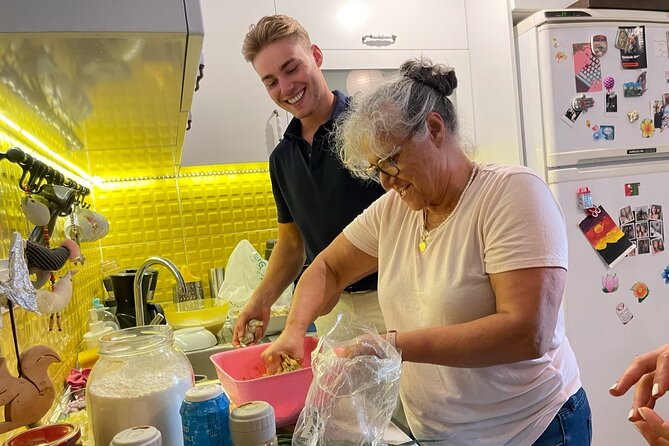
At $93 per person for about 3 hours, this isn’t the cheapest option in town. But for Istanbul, it can be excellent value for the type of experience you’re getting.
Here’s how I think about it:
- You get a small-group format (up to 8), which usually means real teaching time instead of passive watching.
- You cook multiple dishes, then eat the full meal you made. That’s not just “one recipe worth of food.”
- You’re learning vegan adaptations of Turkish cuisine using local ingredients and seasoning patterns. That’s useful knowledge you can reuse.
If you only want to taste vegan food, you could eat out. But if you want to learn to make Turkish vegan dishes at home, you’re paying for instruction, ingredients, and a guided meal experience in a real home setting.
Who should book this class, and who might skip it
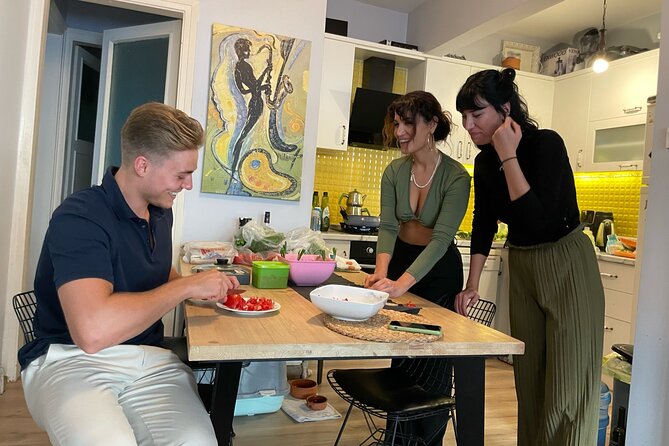
This class is a great fit if you want:
- A vegan-friendly route to Turkish cuisine without hunting for special restaurants.
- Hands-on cooking with a small group and a host who helps you as you cook.
- A social evening that feels like meeting locals, not just attending an activity.
It may be less ideal if:
- You want a strictly structured, classroom-style course.
- You prefer a quiet, self-guided experience with minimal interaction.
- You dislike home-kitchen chaos, since the format is shared workspace.
A few practical tips to make your evening smooth
You’re meeting at 5:30 pm, so plan your day so you’re not rushing. Wear comfortable clothes, because you’ll be actively cooking, standing, and moving around.
Bring the kind of curiosity that helps you ask questions. When hosts talk about spices and ingredient behavior, those details are where your at-home results improve. And since the class is in English, you can engage fully without worrying about translation.
Finally, go with an open mind about vegan substitutions. The goal is Turkish flavor through plant-based creativity, not copying a meat dish for the sake of it. If you enjoy real cooking, you’ll appreciate the craft.
Should you book this Istanbul vegan home cooking class?
Book it if you want an Istanbul food experience that’s more than eating. This class is built around hands-on instruction, tea-and-chat connection, and a full family meal that turns vegan cooking into something you can carry home.
Skip it if you only want a quick bite or you prefer large, impersonal groups. Also skip it if you expect a formal, restaurant-like atmosphere.
If you’re traveling with a flexible evening and you like learning food by doing, this is the kind of activity that can become one of the memories you actually talk about later, because you’re leaving with dishes you can remake.
FAQ
What time does the Istanbul vegan cooking class start?
The class starts at 5:30 pm.
How long is the cooking class?
It lasts about 3 hours.
Where do I meet the host?
The meeting point is Ufak Sokak Gümüşsuyu, Ufak Sk., 34437 Beyoğlu, İstanbul, Türkiye.
Is this a small-group experience?
Yes. The maximum group size is 8 travelers.
What language is the class taught in?
The experience is offered in English.
What dishes are included in the sample menu?
The sample menu includes Vegan Dürüm (starter), Vegan Kokoreç (main), Kısır (main), and Vegan Mantı (main).
Will I eat the food I cook?
Yes. After cooking, there is a family meal session where you savor the dishes you prepared.
Are service animals allowed?
Service animals are allowed.
Is cancellation free?
Free cancellation is available. You can cancel up to 24 hours in advance for a full refund.
More Workshops in Istanbul
- Istanbul:Original Turkish Mosaic Lamp Workshop w/ Snacks★ 4.9 · 3,077 reviews
- Istanbul: Perfume Making Workshop with Bosphorus View★ 5.0 · 2,985 reviews
- Istanbul: Turkish Mosaic Lamp Workshop w/ Materials Included★ 5.0 · 2,058 reviews
- Istanbul: Turkish Coffee Making and Fortune Telling Workshop★ 4.9 · 1,308 reviews
- Istanbul: Perfume Workshop at Old Wooden Mansion, 80+ Oils★ 4.9 · 1,237 reviews
Newest tours in Istanbul






Cooking Classes, compared.
Private Turkish Cuisine Cooking Class with Local Moms
Read our review →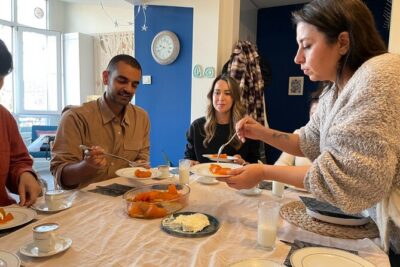
Traditional Home Cooking with a Local in İstanbul City Center
Read our review →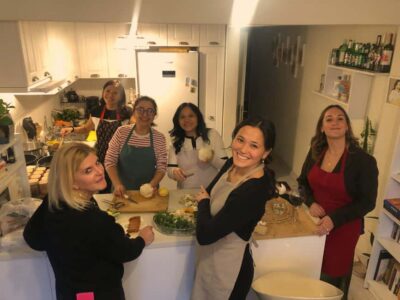
Traditional Home Cooking with a Local in İstanbul Center
Read our review →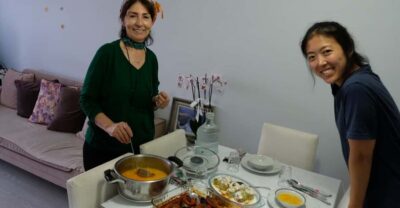
Authentic Turkish Cooking at a Local’s Home in Istanbul
Read our review →
Çiğ Köfte Cooking Class/Night with Traditional Music At Home
Read our review →Browse the lists this tour appears in