
Reviewed · COOKING CLASSES
Istanbul: Vegan/Vegetarian Cooking Class with Locals at Home
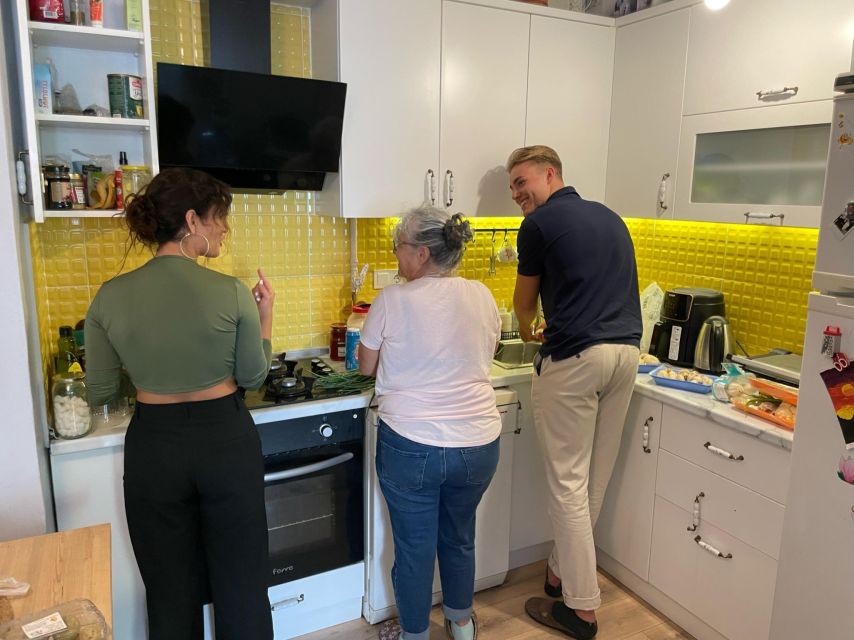
Cooking vegan Turkish food at home beats restaurants. This small-group class is hosted in a real apartment near Taksim, where you learn plant-based versions of beloved dishes while sharing tea and real conversation.
I especially like the focus on hands-on cooking with an English and Turkish instructor (Rojda), and I like how the menu reaches beyond one dish. You get to make vegan adaptations of street-food style cooking like vegan Kokoreç, plus classic comfort foods such as Mantı and Dolma.
One thing to consider: this is a home setting, so plan for a casual, slightly informal pace. If you expect a big, staged show kitchen, this may feel more personal than polished.
In This Review
- Key things to know before you go
- Entering A Local Kitchen Near Taksim
- The 2.5 Hour Flow: Tea First, Then Cooking Side By Side
- Vegan Kokoreç: Learning The Street-Food Mindset
- Mantı Dumplings: The Comfort Food That Teaches Technique
- Dolma: Turning Familiar Vegetables Into Something Special
- Plant-Based Turkish Cooking: How the Adaptation Works
- Small Group Energy: More Talk, More Hands, Less Waiting
- What You Should Eat, What You’ll Take Home
- Price and Value: Is $106 Worth It?
- Who This Istanbul Class Is Best For
- Quick Tips Before You Go
- Should You Book This Vegan/Vegetarian Cooking Class Near Taksim?
- FAQ
- What is the duration of the Istanbul vegan/vegetarian cooking class?
- How many people are in the group?
- What dishes will I learn to make?
- Where does the class take place and how do I find it?
- What languages are used during the class?
- What is included in the experience?
- What is the cancellation and payment policy?
Key things to know before you go
- Small group at a local home near Taksim, limited to 6 people for more time at the cutting board
- Warm tea and conversation at the start, so you settle in before you cook
- You learn from scratch with dishes like vegan Kokoreç, Dolma, and Mantı
- Plant-based Turkish technique that helps you understand how classics shift to vegan
- English and Turkish instruction led by host Rojda, with cultural stories woven in
- A shared meal at the end, so you eat what you just cooked
Entering A Local Kitchen Near Taksim
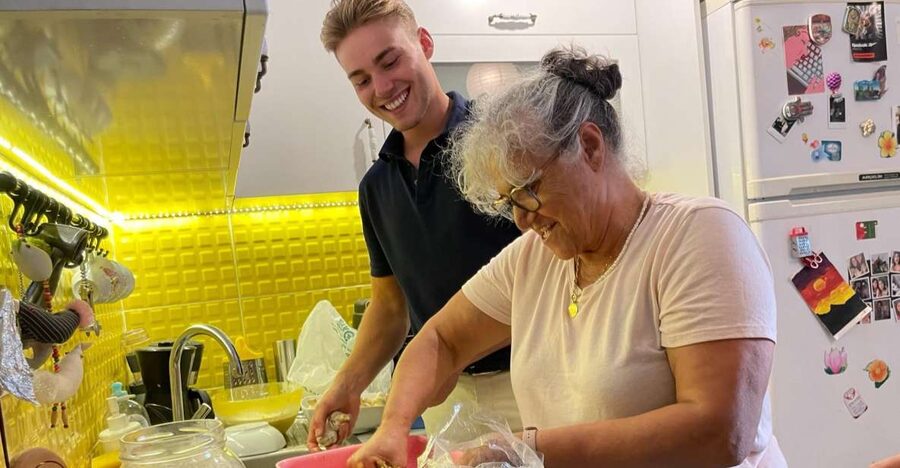
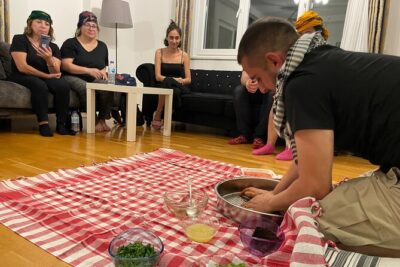
The best thing about this Istanbul vegan/vegetarian cooking class is that it happens where locals actually live. Instead of a restaurant classroom, you’ll be welcomed into a cozy home near Taksim, the city’s most central hub. That matters, because the whole evening feels calmer and more personal right from the start.
It also helps that the group is small, capped at 6 participants. In practice, that means you are not waiting your turn for a spoon or standing behind glass while others cook. You can ask questions while you’re chopping, mixing, and assembling, and you get better at the techniques because you repeat steps with guidance.
The host, Rojda, guides the experience in English and Turkish. From the vibe described in the reviews, her role is more than just instruction. She brings the dishes to life with personal context about Istanbul and everyday life, which makes the meal feel like culture, not a class exercise.
Roll your own dolma, then eat it
- Private Turkish Cuisine Cooking Class with Local Moms
★ 5.0 · 114 reviews - Traditional Home Cooking with a Local in İstanbul City Center
★ 5.0 · 82 reviews - Traditional Home Cooking with a Local in İstanbul Center
★ 4.9 · 78 reviews
The 2.5 Hour Flow: Tea First, Then Cooking Side By Side
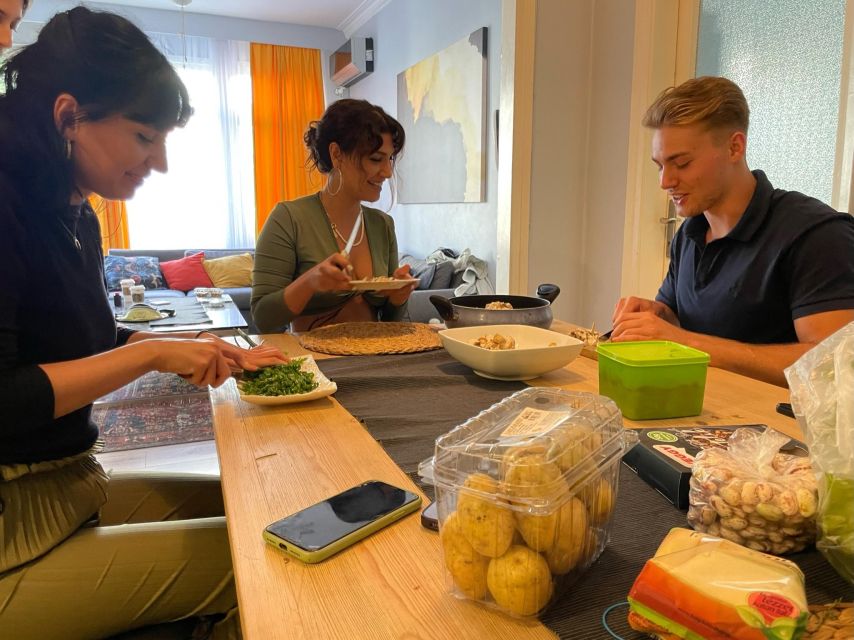
This is a 2.5 hour experience, so it has a clear rhythm. You’ll arrive at the home, get a warm welcome, and start with tea or coffee. Then the cooking begins, with you working alongside the host and everyone in the small group.
That opening matters more than you might think. Turkish hospitality is big on warmth and conversation, and starting with tea helps you shift from tourist mode into neighbor mode fast. You get to ask questions early, and that makes the cooking part smoother later, especially if you want to understand how the recipes work.
During the main cooking time, you’ll learn to make several dishes from scratch. The dishes you are specifically taught include vegan Kokoreç, Mantı, and Dolma, plus more vegetarian and vegan plates. The teaching style is practical, with step-by-step guidance as you go. It’s the kind of class where you leave with confidence, not just a list of ingredients.
By the end, you sit down for a shared meal. That’s a real advantage of a home-hosted format. You are not rushed through tasting like a quick food tour stop. You eat what you made, at the pace of the evening, which gives you time to enjoy flavors and ask one last question before you head out.
Vegan Kokoreç: Learning The Street-Food Mindset
Kokoreç is famous Turkish street food, usually built on grilled offal. This experience reframes it into a vegan Kokoreç twist, and that’s one of the clever parts of the lesson.
Even if you don’t know the traditional version, you can still appreciate the technique. What matters is the street-food mindset: strong seasoning, chopped texture, and bold assembly. The vegan approach typically aims to mimic the satisfying bite and savory character, using plant-based ingredients and the right combination of spices and preparation steps.
Why this is valuable for you: once you understand how the class turns a familiar concept into a plant-based version, you can adapt the same logic later at home. You stop thinking in terms of replacements and start thinking in terms of flavor goals and texture goals.
Also, this dish is a great confidence builder. You’re learning something recognizable as Turkish, but it still feels creative. If you’ve only had vegan food that’s all mild and bland, this is a chance to build more adventurous instincts with Turkish seasoning.
Practical note: because it’s modeled like street food, plan to pay close attention to the details of chopping and mixing. Small differences in texture can change the final feel of the dish, so don’t rush that part.
Mantı Dumplings: The Comfort Food That Teaches Technique
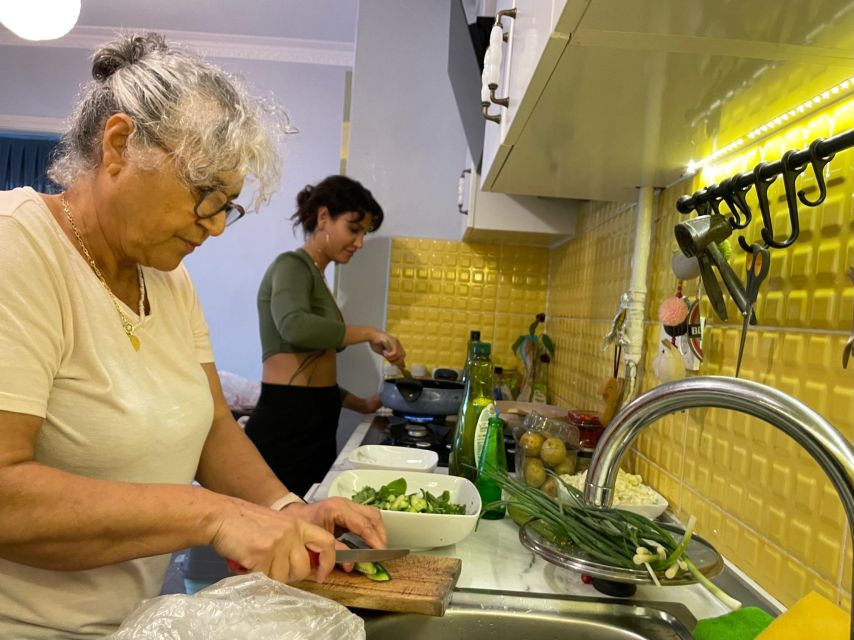
Mantı, Turkish dumplings, are one of those dishes that people often assume require serious skill. This class makes a big point of letting you make homemade Mantı, including a vegan version, right in the home kitchen.
This is where you learn technique more than you learn trivia. Dumplings train your hands. You get hands-on with shaping, portioning, and building a structure that will hold up when cooked and served. The class setting helps because you can ask questions as you work, and you can correct mistakes immediately.
What you’ll like, if you enjoy learning by doing: Mantı is not just one step. It’s a sequence, and each step teaches something. The feeling is similar to mastering a craft: take your time, focus on consistency, and you’ll see results.
Mantı also brings the dish into the heart of Turkish comfort food. In a vegetarian and vegan format, it’s not just about avoiding meat. It becomes about balancing savory filling, dough chew, and sauce style. That gives you a wider toolset for later cooking, because you can apply the same dumpling logic to other fillings and sauces.
Dolma: Turning Familiar Vegetables Into Something Special
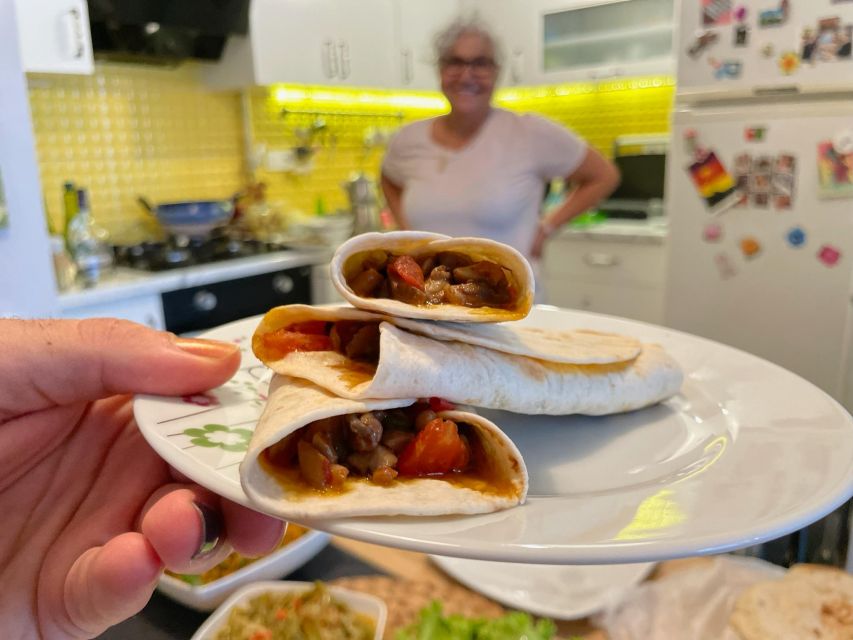
Dolma is another core Turkish dish, built around stuffed vegetables. In this class, you’ll learn Dolma from scratch, using vegetarian and vegan-friendly approaches.
Dolma teaches you a different skill than Mantı. Instead of shaping dough, you’re building flavor through filling and cooking. Stuffed vegetables reward patience. They need even filling distribution, careful seasoning, and time to soften into tenderness.
Why Dolma is a great choice for a cooking class: it’s structured, but forgiving enough to learn in a short session. You can see what’s happening to the vegetables as they cook, and the aromas tell you whether you’re on track.
And as a plant-based lesson, Dolma is useful beyond the specific recipe. Once you understand how the filling is built and how seasoning is layered, you can make your own variations using whatever vegetables you find. That’s a practical takeaway for you after the class ends.
More of Istanbul beyond the obvious sights
- Istanbul: European and Asian Side Guided Foodie Walking Tour
- Istanbul: Guided Food Tour with Ferry Ride and Tastings
- Turkish Food Night and Rooftop Experience Istanbul
- Istanbul: Turkish Food Night and Rooftop Experience
- Istanbul: Guided Food and Culture Tour
- Istanbul Food Tour – History and Culture of Turkish Culinary
Plant-Based Turkish Cooking: How the Adaptation Works
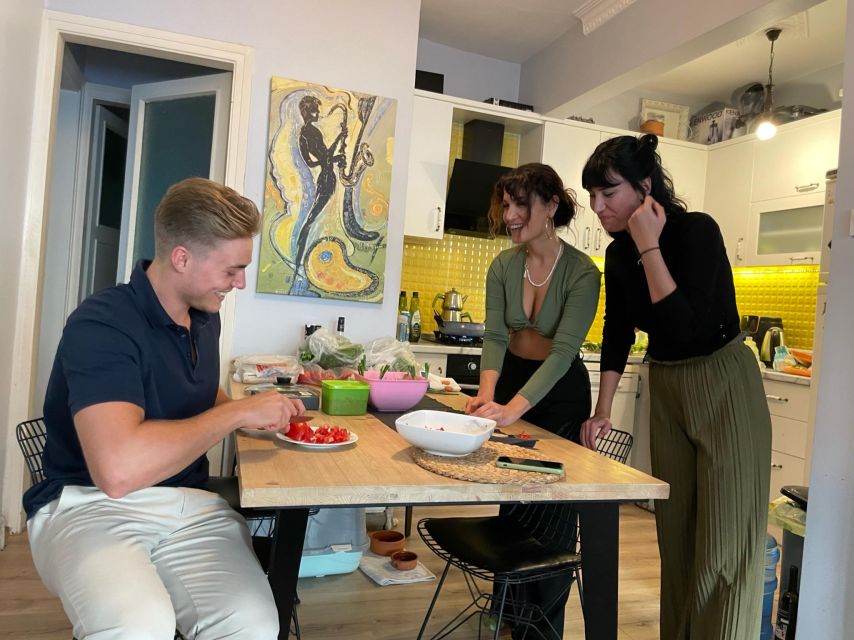
The class isn’t only about making dishes. It’s also about understanding how traditional Turkish recipes can shift to vegetarian and vegan versions.
That approach matters because it changes your mindset. You are not just collecting recipes, you’re learning the logic behind them. For example, when you see vegan Kokoreç take on street-food flavors, you can infer how other dishes could be adapted using similar spice profiles and texture tricks. When you shape and cook Mantı vegan style, you learn what needs to stay the same for the dish to still feel like the real thing.
This is why so many people love cooking classes with locals. The techniques connect you to a culinary tradition instead of giving you a one-off dish. You get a better sense of what Turkish home cooking tastes like, and how it can work across dietary styles.
If you’re vegan, this is particularly helpful. You can leave knowing the class isn’t trying to make food that only works when you add special ingredients. It’s aiming for Turkish flavor and Turkish comfort, using plant-based creativity in ways that feel intentional.
Small Group Energy: More Talk, More Hands, Less Waiting
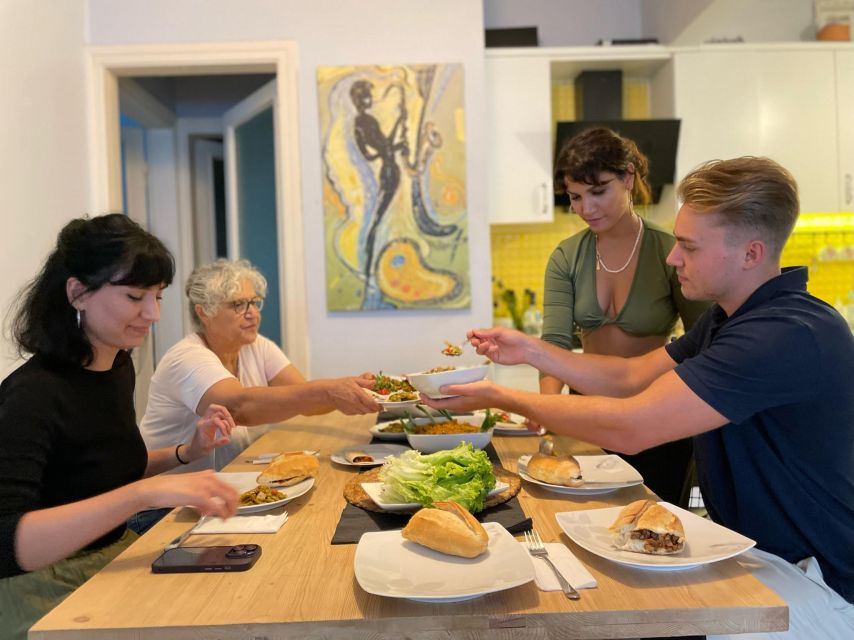
With a maximum group size of 6, you get a comfortable pacing. In bigger classes, you often end up doing one task and watching the rest. Here, you’re more likely to participate in multiple parts of the cooking process.
That has a direct effect on enjoyment. You feel useful. You taste as you go. You can ask why a step matters. And you can learn through small corrections in real time, which speeds up the learning curve.
The reviews strongly emphasize how welcoming Rojda is, and how the evening includes meaningful conversation, not just recipe talk. People describe it as similar to spending time with a good friend. That’s not marketing fluff. In a home environment, conversation flows naturally around food prep, and it stays relaxed.
So if you like culinary travel that also has human warmth, this is a strong fit. If you want a quiet, museum-like experience, this may feel too chatty at times. But for most food-minded travelers, that friendliness is the point.
What You Should Eat, What You’ll Take Home
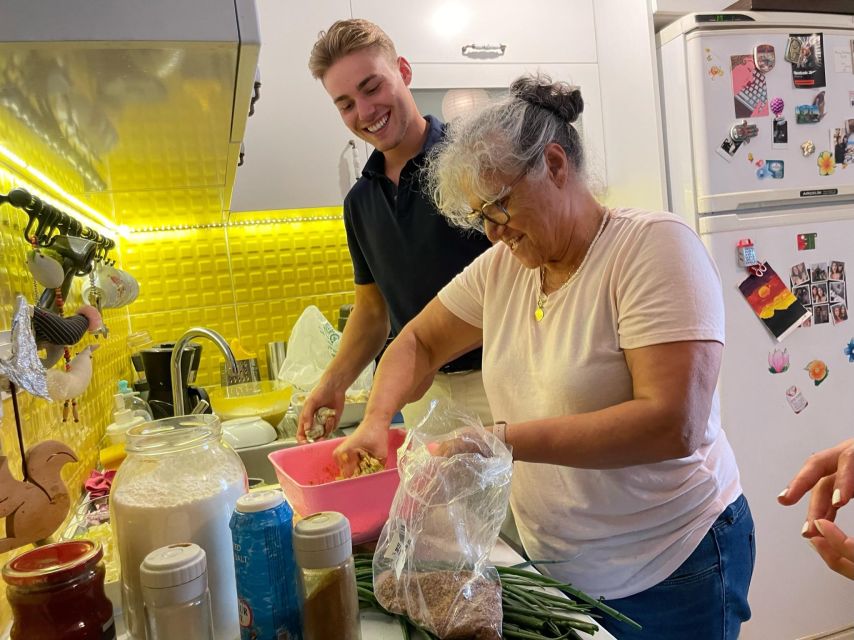
This experience is built around a shared meal featuring a variety of vegan and vegetarian dishes. You should expect multiple plates, not a single-item tasting.
Because the class includes hands-on cooking and then eating together, you leave with two kinds of take-home value:
- A recipe memory, built from actually doing each step.
- A flavor memory, built from tasting and adjusting as you cook.
Also, because the class covers dishes like Mantı and Dolma plus a vegan Kokoreç twist, you cover a range. You learn dumpling-style comfort food, stuffed-vegetable technique, and street-food flavor engineering. That gives your future meals variety, not just repetition.
In practical terms, you’ll probably be able to re-create at least part of the meal pretty quickly after you return home. Dumplings and stuffed vegetables do take some time, but having watched and made it with guidance makes your first attempt at home feel achievable instead of scary.
Price and Value: Is $106 Worth It?
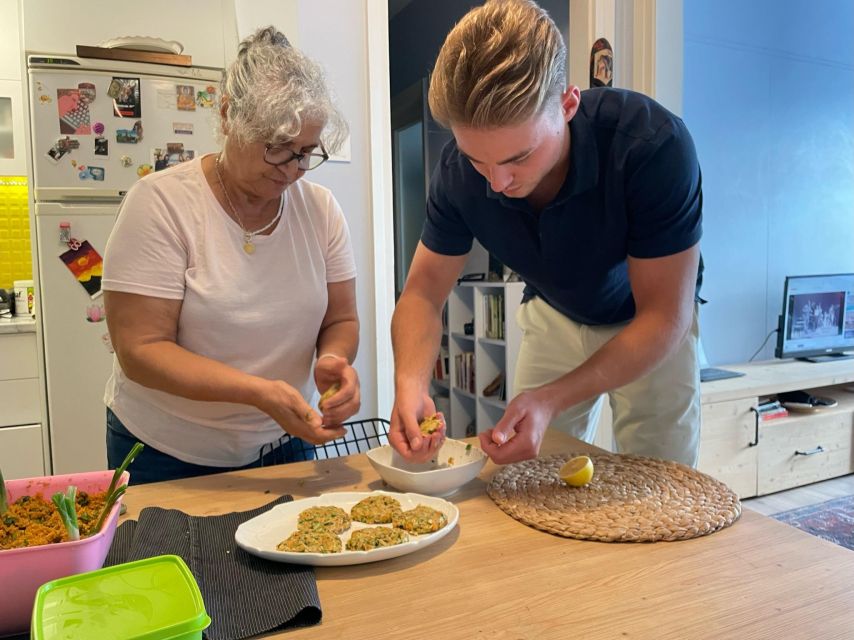
At $106 per person for 2.5 hours, you’re paying for a home-hosted experience with real instruction. This is not a casual tasting that you sample and leave. You cook, you eat, and you exchange culture in the same evening.
Here’s how I’d judge the value if you’re deciding whether to book:
- You get limited group size (up to 6), which usually raises the “attention per person” compared to larger classes.
- You’re taught multiple dishes, including recognized Turkish staples like Mantı and Dolma, plus the standout vegan Kokoreç twist.
- You have bilingual instruction in English and Turkish, so you’re less likely to get lost.
- You get an experience that includes conversation and personal storytelling, which can be hard to price but often ends up being the best part.
For $106, the class makes sense if you want more than a meal. You should book if you enjoy learning by doing and you like dining experiences that feel personal. If your only goal is a quick snack or photos, you might feel it’s pricier than a simple street-food crawl. But if your priority is skill, comfort food, and a real local moment near Taksim, it’s strong value.
Who This Istanbul Class Is Best For
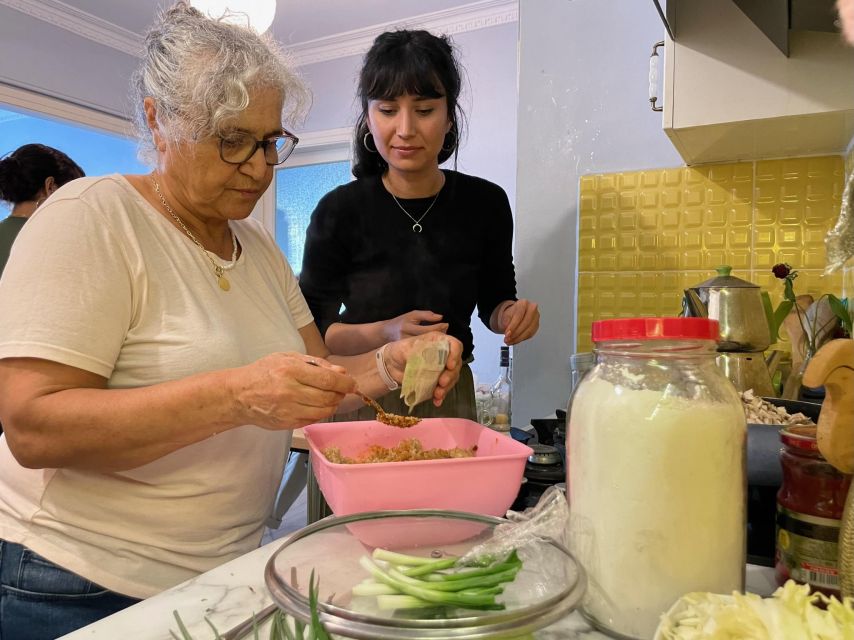
This class fits best if you fall into one of these categories:
- You want a vegan/vegetarian cooking class with real Turkish flavors, not generic international vegan food.
- You like cozy, home-style travel where conversation is part of the deal.
- You enjoy learning techniques like dumpling shaping and stuffed-vegetable prep.
- You want a small-group evening near Taksim, so you’re not stuck across town.
It’s also a nice option if you’re traveling with a friend and want the experience to feel intimate, not crowded.
If you have very limited time and need a big sightseeing itinerary, you may need to adjust. This is focused on cooking and eating, not a tour of major monuments.
Quick Tips Before You Go
To get the most from the evening, keep these in mind:
- Come hungry. This is a shared meal after cooking.
- Ask questions early during the tea or coffee part. That’s when you’ll get the most relaxed answers.
- If you care about dietary preferences beyond vegan or vegetarian, mention them ahead of time. The class is plant-based friendly, but you’ll want clarity on your exact needs.
Should You Book This Vegan/Vegetarian Cooking Class Near Taksim?
If you want an Istanbul food experience that feels like you’re invited into someone’s life for a couple of hours, I think this one is an easy yes. The combination of a small group, hands-on cooking of vegan Mantı, Dolma, and vegan Kokoreç, plus warm conversation led by Rojda makes it more memorable than a standard meal.
Book it if you care about learning technique and tasting real Turkish comfort food in a plant-based form. Skip it only if you want a fast, purely sightseeing-style activity or you expect a formal restaurant production.
If you’re trying to balance Istanbul’s famous sights with something genuinely local, this is a smart, tasty way to do it.
FAQ
What is the duration of the Istanbul vegan/vegetarian cooking class?
The class lasts 2.5 hours.
How many people are in the group?
It is a small group with a maximum of 6 participants.
What dishes will I learn to make?
You will learn to make dishes like vegan Kokoreç, Dolma, and Mantı, plus additional vegan/vegetarian dishes.
Where does the class take place and how do I find it?
You’ll visit the host’s home near Taksim. You can call when you’re there or ring the bell number 11.
What languages are used during the class?
Instruction is provided in English and Turkish.
What is included in the experience?
You’ll cook and enjoy a variety of vegan and vegetarian dishes as part of the class and shared meal.
What is the cancellation and payment policy?
You can cancel up to 24 hours in advance for a full refund, and you can reserve now and pay later.
More Workshops in Istanbul
- Istanbul:Original Turkish Mosaic Lamp Workshop w/ Snacks★ 4.9 · 3,077 reviews
- Istanbul: Perfume Making Workshop with Bosphorus View★ 5.0 · 2,985 reviews
- Istanbul: Turkish Mosaic Lamp Workshop w/ Materials Included★ 5.0 · 2,058 reviews
- Istanbul: Turkish Coffee Making and Fortune Telling Workshop★ 4.9 · 1,308 reviews
- Istanbul: Perfume Workshop at Old Wooden Mansion, 80+ Oils★ 4.9 · 1,237 reviews
Newest tours in Istanbul





Cooking Classes, compared.
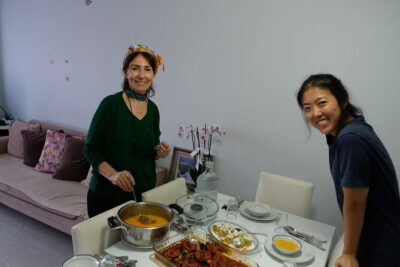
Private Turkish Cuisine Cooking Class with Local Moms
Read our review →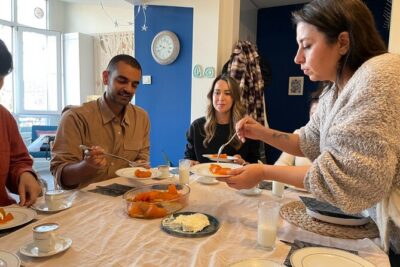
Traditional Home Cooking with a Local in İstanbul City Center
Read our review →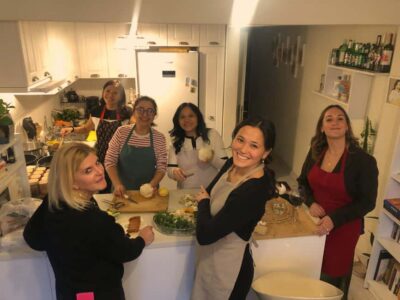
Traditional Home Cooking with a Local in İstanbul Center
Read our review →
Authentic Turkish Cooking at a Local’s Home in Istanbul
Read our review →
Çiğ Köfte Cooking Class/Night with Traditional Music At Home
Read our review →Browse the lists this tour appears in