
Reviewed · COOKING CLASSES
Istanbul: Traditional Cooking Class with a Local Mom
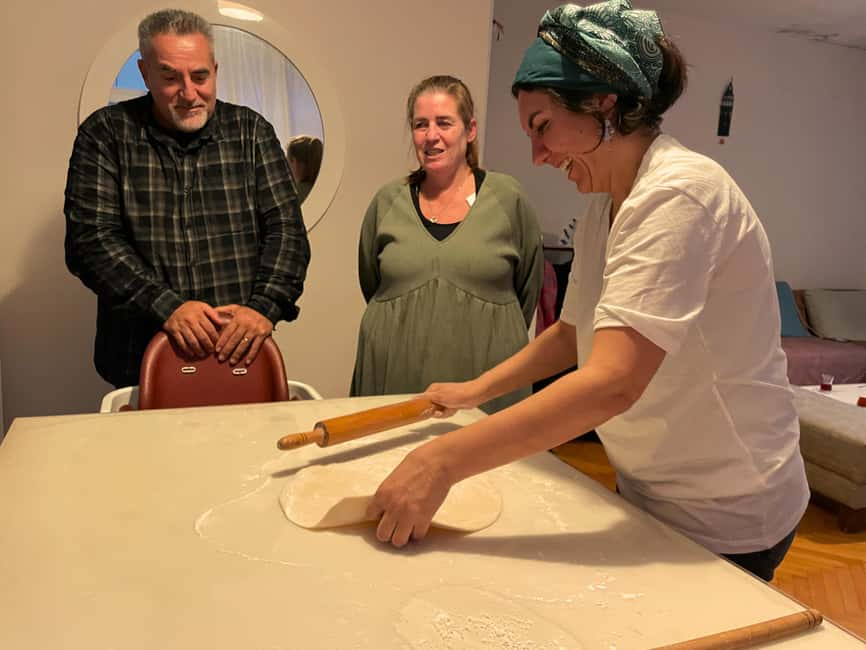
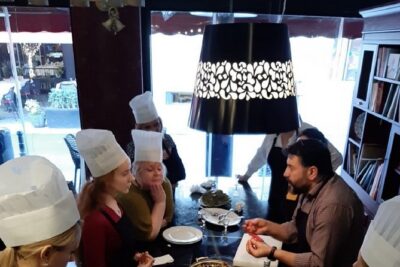
Cooking in a real Istanbul home beats the usual tour circuit. You’ll learn how to make mantı from scratch, then sit down to a full home-style meal that feels like you’ve been adopted for a few hours. The best part is the small-group pace, so you actually fold, cook, and ask questions.
I really like that this class focuses on technique you can remember, not just eating. Turkish tea starts things off, then you work through grape leaves and side dishes while stories from Turkish and Kurdish grandmas keep the food grounded in real kitchen life. One consideration: this is hands-on, so if you want a mostly sit-and-watch experience, you might feel a bit busy, in a good way.
In This Review
- Key Highlights You Should Care About
- A Home Kitchen Where Mantı Is the Star
- Welcome Rituals: Tea, Grandma Stories, and Cooking Tempo
- Mantı From Scratch, Fold by Fold
- Grape Leaves and Sides That Make It a Full Meal
- Soup and the Mezze Rhythm You Can Replicate Later
- What the Table Tells You About Turkish Home Cooking
- Group Size and Language: Why This Feels More Like Teaching Than Entertainment
- Price and Value: Is $106 Worth It?
- Who This Class Is Best For
- Should You Book This Istanbul Cooking Class?
- FAQ
- How long is the Istanbul traditional cooking class?
- What dishes will I learn to make?
- Is this a small group?
- What language is the class taught in?
- Is the meal included?
- Where do I meet the host?
Key Highlights You Should Care About
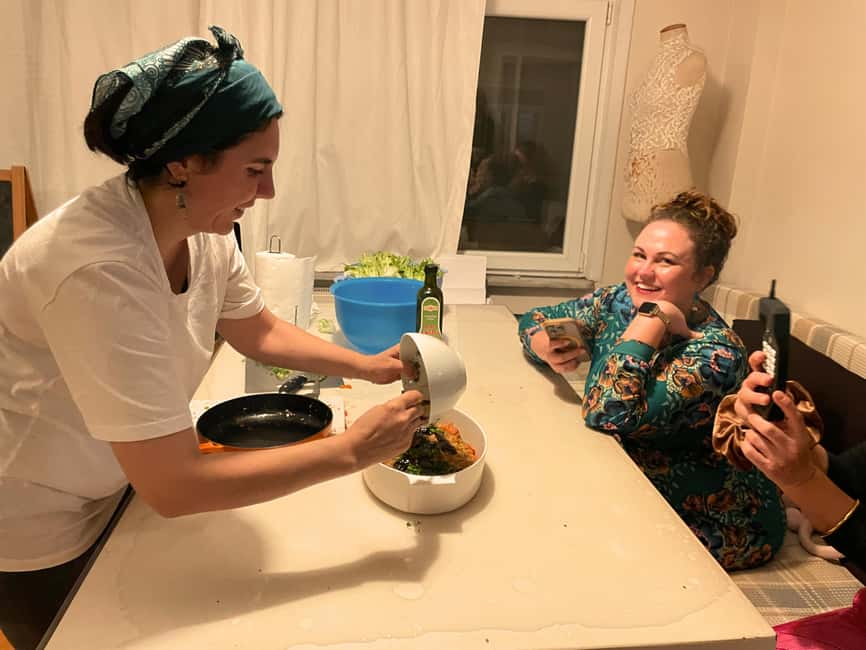
- Hand-folded mantı with spiced-meat filling, taught step by step in a small group
- Grape leaves from scratch, plus additional side dishes and a soup or soup-like dish
- Small group capped at 6, which means more attention during cooking and less standing in line
- A real mom’s-home kitchen atmosphere, led by Rojda (also called Roza in one review)
- A full meal portion, so you’ll want to come ready to eat, not just sample
A Home Kitchen Where Mantı Is the Star
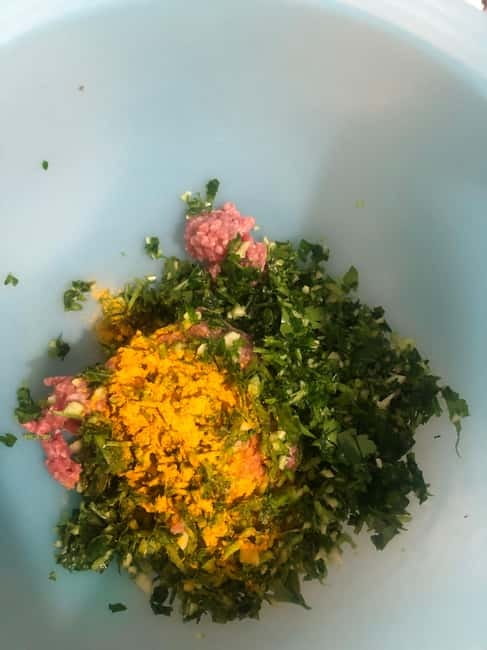
In Istanbul, you can find mantı everywhere, but learning it in someone’s kitchen changes how you understand it. Here, the focus is the dumplings themselves, the tiny folding, the filling, and the little choices that affect texture and final bite. You’re not just repeating a recipe, you’re learning why the steps matter.
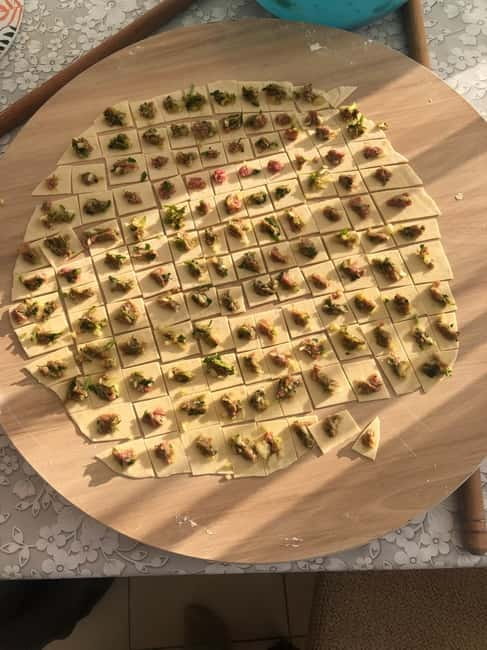
The class centers on Turkish ravioli style dumplings, often described as mantı, filled with spiced meat and folded by hand. That hand work is the point. It turns a dish that can look intimidating on a restaurant plate into something you can make with your own hands, one fold at a time.
This is also one of the better “do it, then eat it” experiences in Istanbul because it stays social. You’ll cook in a group, share tasks, and then gather to eat the results together, which makes the meal feel earned.
Roll your own dolma, then eat it
- Private Turkish Cuisine Cooking Class with Local Moms
★ 5.0 · 114 reviews - Traditional Home Cooking with a Local in İstanbul City Center
★ 5.0 · 82 reviews - Traditional Home Cooking with a Local in İstanbul Center
★ 4.9 · 78 reviews
Welcome Rituals: Tea, Grandma Stories, and Cooking Tempo
Your session starts with a warm welcome and Turkish tea, which is a small detail that matters more than you’d think. It sets the tone like you’re visiting, not clocking into a workshop. You also get the first taste of the culture behind the food, right from the start.
Then you shift into cooking with guidance and stories. You’ll hear how Turkish and Kurdish grandmas cooked dishes for generations, and those stories are tied directly to what you’re doing. When someone explains a technique and connects it to family practice, you remember it. You also stop treating the recipe like a list of instructions.
The tempo follows that same idea. You’ll start with the core dishes, then move into side components like salads or mezze-style dishes and grape leaves. By the time you sit down, you’re not just tasting food, you’re recognizing what you made and how it should feel.
Mantı From Scratch, Fold by Fold
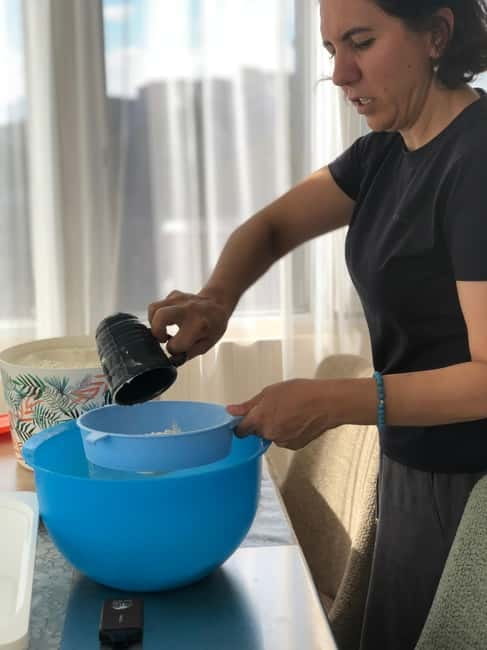
Mantı is the kind of dish that sounds fancy until you see the process. The class breaks it into teachable steps, so even if you’ve never worked with dumplings before, you can follow along. The key is that you’ll actually participate, not just watch from the sidelines.
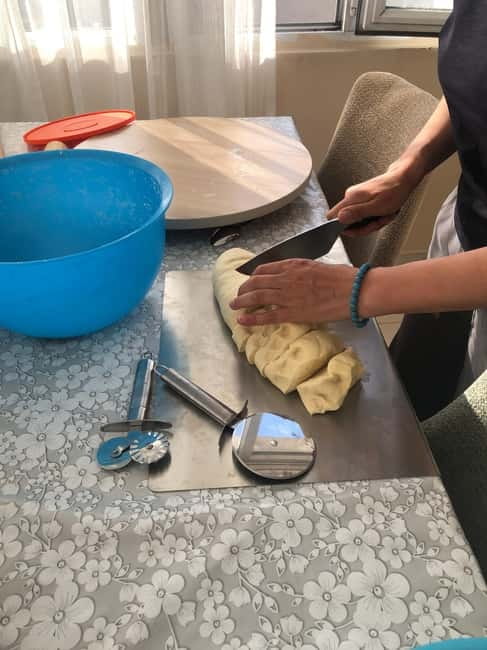
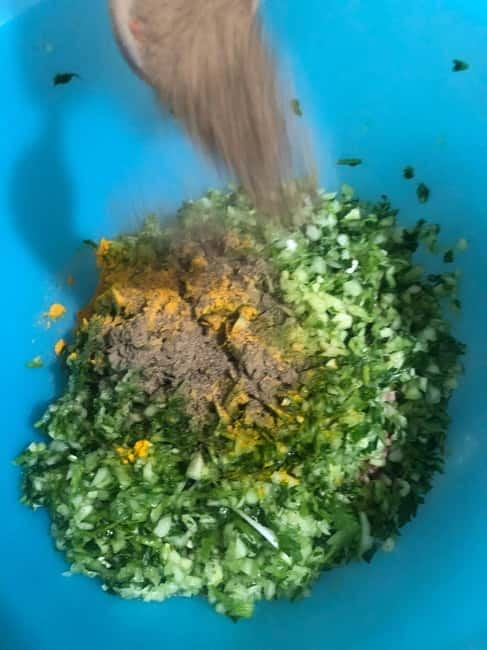
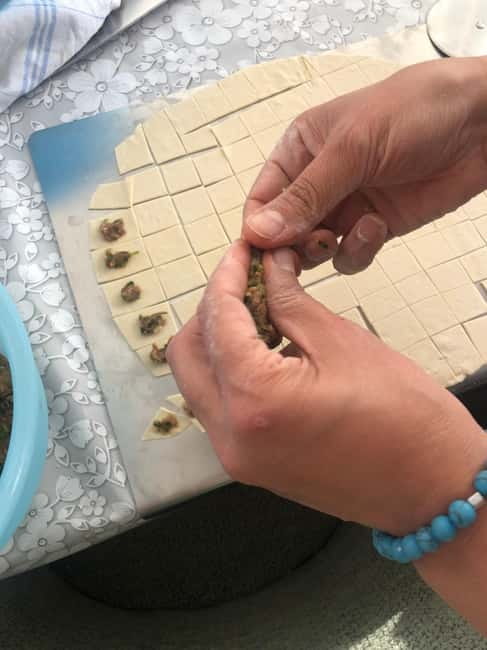
Here’s what makes the mantı portion special: you’ll learn to handle the dough, prepare the filling, then fold the dumplings into their signature shapes. The mantı filling is spiced meat, and that spice mix is part of the flavor payoff once everything is cooked. This hands-on approach is exactly what people praise most, because the group effort turns the kitchen into a shared project.
One more thing: mantı is easy to mess up if you rush. A small-group class helps because you’re not being hurried through steps by a big crowd. You get time to ask, adjust, and learn what “right” feels like in your hands.
If you’re the type who loves food prep, this will feel satisfying. If you’re not, just know that the folding is real work, and that’s the tradeoff for the authenticity.
Grape Leaves and Sides That Make It a Full Meal
Mantı might be the headline, but the class builds a complete Turkish meal around it. You’ll make Turkish grape leaves from scratch as part of the menu, along with two side dishes. That combination is great because it gives you contrast: dumplings are warm and hearty, while grape leaves add a different texture and a tangy, herby bite.
The grape leaves matter because they’re a comfort food you don’t often get to make at home on a trip. In many Istanbul tours, you’ll eat grape leaves. Here, you’ll learn how the dish is assembled and why it’s cooked the way it is.
Side dishes are included, and at least one menu you can expect includes mushroom mezze and salad. That’s a useful detail when you’re planning your appetite and figuring out whether you’ll get more than a single-dish experience. Based on the way the menu is described, you’re looking at a plate lineup that feels like a proper Turkish home table, not just snacks.
Soup and the Mezze Rhythm You Can Replicate Later
Most Turkish meals work because they follow a rhythm: hot dish, cold or fresh component, and a comforting element to tie it together. This class follows that logic by including a soup or soup-like dish. That matters on a practical level. After a couple hours of cooking, soup gives you a reset and helps balance dumpling richness.
In one described menu, the soup is paired with mushroom mezze and salad. That combination is smart because it gives you umami depth (mushrooms), freshness (salad), and warmth (soup). You’re not stuck eating one style of food for the whole session.
This is also where you can pick up tricks you can use later. Even if you never make grape leaves at home, tasting the soup and mezze in a guided context helps you understand what ingredients are doing. It’s the difference between enjoying flavors and learning how to recreate them.
More of Istanbul beyond the obvious sights
- Istanbul:Original Turkish Mosaic Lamp Workshop w/ Snacks
- Istanbul: Perfume Making Workshop with Bosphorus View
- Istanbul: Turkish Mosaic Lamp Workshop w/ Materials Included
- Istanbul: Turkish Coffee Making and Fortune Telling Workshop
- Istanbul: Perfume Workshop at Old Wooden Mansion, 80+ Oils
- Istanbul: Turkish Mosaic Lamp Workshop in Galata – All Included
What the Table Tells You About Turkish Home Cooking
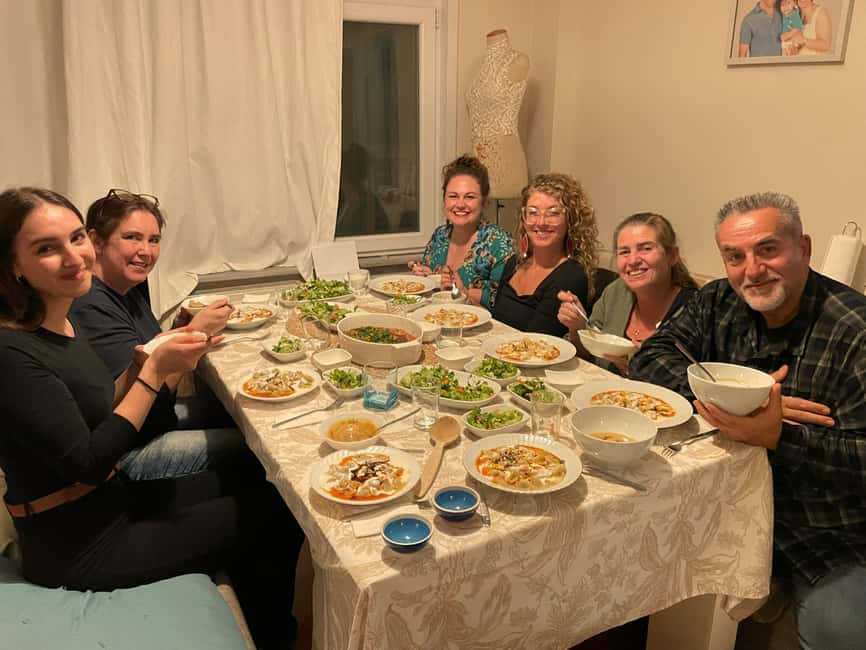
The meal is a big part of why this experience earns such strong marks. You’ll gather around the table and eat everything you cooked, which makes the flavors hit harder. When you made the dough and folded the dumplings, the first bite feels like proof.
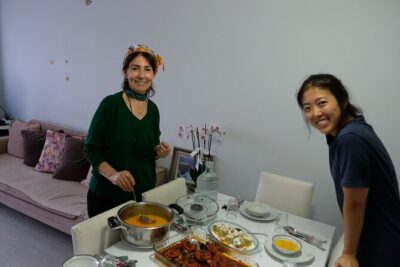
A host named Rojda, also spelled Roza in a review, is part of the reason the class feels personal. The feedback highlights that she’s kind, personable, good-humored, and generous with her time. That kind of hosting matters because it affects how comfortable you feel when you’re doing something fiddly, like folding tiny dumplings.
Portions are another practical point. One review notes that there’s plenty to eat, so don’t plan on using this as a light appetizer. Plan to eat a full meal, then maybe take a slow walk afterward.
The social setting also helps you learn. If you’re cooking in a small group, you’ll notice how other people handle steps. That can make you more confident when you return to your own station.
Group Size and Language: Why This Feels More Like Teaching Than Entertainment
This is a small-group class limited to 6 participants. For a cooking lesson, that number is a sweet spot. You get individual attention without the pressure of a private lesson price tag. You also move faster, because there’s less waiting for someone to free up a workspace.
Language is English and Turkish, with a Turkish and English host or greeter. If you’re comfortable with English, you’ll likely be fine. If you speak a few Turkish phrases, you’ll also get more warmth and interaction, since food talk is where language learning is easiest.
This is the type of class where the details matter. When you’re learning mantı folding, small instructions like how to hold dough or how tightly to seal can make the difference between “looks okay” and “tastes right.” A small group keeps those details within reach.
Price and Value: Is $106 Worth It?
At $106 per person for a 3-hour class, the price sits in the middle to upper range for Istanbul food experiences. The question is what you get in return, and here you get more than a tasting.
You’re paying for:
- A home kitchen setup where you cook from scratch
- Hands-on mantı folding, plus grape leaves from scratch
- Two side dishes and a soup or soup-like dish
- Turkish tea at the start, plus coffee and/or tea included
- A small-group setting capped at 6
The value gets clearer when you compare it to eating out. Yes, you could eat mantı and grape leaves at a restaurant. But that doesn’t teach you the technique. Here, you leave with a mental model of dough, filling, and cooking rhythm, even if you forget the exact timing. You also leave with a menu you can reference next time you see these dishes on the street.
If you’re the kind of person who remembers steps and likes food prep, this price can feel reasonable. If you only want a one-hour snack and photos, it may feel too much. But for a meal plus real cooking practice, it’s a solid deal.
Who This Class Is Best For
This experience is especially good for people who:
- Love hands-on food experiences and don’t mind working at a counter
- Want more than mantı, and want the wider Turkish home meal
- Enjoy learning through stories tied to family traditions
- Prefer small groups over big tour groups
It’s also a great pick for solo travelers who want conversation. Because the cooking is shared and the table is shared, you’re likely to interact more than you would at a standard restaurant meal.
If you have a tight schedule, check the 3-hour duration. It’s not a quick stop. But if you can fit it in, it’s one of the most satisfying ways to spend an afternoon.
Should You Book This Istanbul Cooking Class?
I’d book it if you want to learn Turkish home cooking in a genuine setting, not just eat your way through dishes. The strongest reason to choose it is the mantı workshop paired with a full meal you actually cooked, guided by a host like Rojda who sounds warm, funny, and generous with time.
I’d skip it if you dislike hands-on cooking or you want a very relaxed, low-effort activity. Folding dumplings takes patience. This class rewards effort, and that’s not everyone’s style.
If you’re thinking of booking, I’d also plan to go hungry. The menu includes mantı plus grape leaves, two sides, and a soup or soup-like dish, and people specifically note there’s plenty to eat.
FAQ
How long is the Istanbul traditional cooking class?
It lasts 3 hours.
What dishes will I learn to make?
You’ll make Turkish dumplings for mantı, Turkish grape leaves, plus 2 side dishes and a soup or soup-like dish.
Is this a small group?
Yes. The class is limited to 6 participants.
What language is the class taught in?
The host or greeter works in Turkish and English.
Is the meal included?
Yes. The experience includes the meal, and coffee and/or tea.
Where do I meet the host?
You can call when you are here or ring the bell number 11.
Newest tours in Istanbul





Cooking Classes, compared.
Private Turkish Cuisine Cooking Class with Local Moms
Read our review →
Traditional Home Cooking with a Local in İstanbul City Center
Read our review →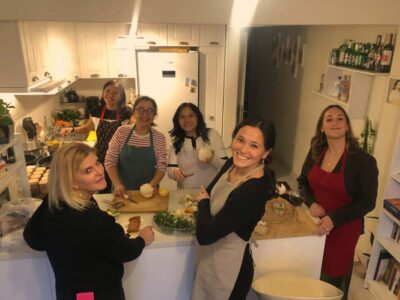
Traditional Home Cooking with a Local in İstanbul Center
Read our review →
Authentic Turkish Cooking at a Local’s Home in Istanbul
Read our review →
Çiğ Köfte Cooking Class/Night with Traditional Music At Home
Read our review →Browse the lists this tour appears in