
Reviewed · HIDDEN GEMS TOURS
Istanbul City and Hidden Gem Private Guided Tour 1, 2, 3 Day opt.
Istanbul hits hard, fast. I like the private, customizable pace that starts with the must-sees and then bends to what you care about, and I like how guides time the day to keep you from burning hours in lines. One thing to plan for: several big-ticket sites charge extra, so your total per person can jump fast if your itinerary includes them all.
This is built for a flexible 1, 2, or 3 day experience, with each day running roughly 6 to 18 hours depending on what you choose and how you move. It’s centered in the old-city area, mostly on foot, and it typically ends near the Grand Bazaar. Expect real walking, decent navigation, and a guide who helps you get your bearings fast, even when the streets refuse to cooperate.
In This Review
- Key points that matter before you go
- Value and what the $250 price really covers
- Meeting in Sultanahmet and the walking plan that keeps you sane
- Topkapi Palace: 2 hours inside Ottoman power
- Hagia Sophia Grand Mosque: mosaics, legends, and big architectural drama
- Blue Mosque, Hippodrome, and quick-hit orientation wins
- Grand Bazaar navigation that actually saves time
- Dolmabahce Palace and Bosphorus cruise for a change of pace
- Kadikoy, Rustem Pasha, and Spice Market stops that feel more local
- Basilica Cistern, Suleymaniye Mosque, and the Ottoman engineering mindset
- Chora Museum mosaics for the Byzantine side most people miss
- Balat, an iron church, and the Orthodox Patriarchate
- How guides customize this tour, with real examples of what changes
- Who this tour fits best
- Should you book this Istanbul City Private Guided Tour?
Key points that matter before you go
- Private and limited to your party (up to 8), so the plan can shift with your pace and interests.
- Major sights are grouped smartly so you can do a first-timer introduction without crisscrossing the city all day.
- Entrance fees are mostly extra, including Topkapi, Hagia Sophia, Basilica Cistern, Chora, and Dolmabahce.
- On-the-ground logistics help a lot, with walking in Sultanahmet and public transport used only when needed.
- Day-of swaps prevent wasted time, like Topkapi closed Tuesdays and Grand Bazaar closed Sundays.
- Guides bring practical shopping and navigation tips, with options to step away from the heaviest crowds.
Value and what the $250 price really covers
This tour costs $250 per group for up to 8 people. That pricing is good value when you split it across a family, friends, or a mixed group, because you’re buying a real guide and a customized plan, not just a checklist and a map.
What is not included is important. Entrance tickets for major sites like Topkapi, Hagia Sophia, Basilica Cistern, Chora Museum, and Dolmabahce Palace are not in the base price, and Bosphorus is also extra if you choose the public boat option. If your plan includes all of those paid stops, you could be looking at about $215 per person in entrance fees alone (Basilica Cistern $35, Topkapi $63, Hagia Sophia $30, Chora $25, Bosphorus public boat $7, Dolmabahce $55). Some sites like Blue Mosque, Hippodrome, Grand Bazaar, Kadikoy, Rustem Pasha Mosque, Spice Market, and several churches or monuments are listed as free.
Also note the payment style differences. Topkapi Palace and Hagia Sophia are paid in cash to the guide, while Basilica Cistern and Chora Museum are paid by credit card at entry. If you like to travel light, this is one of those times where having both cash and a card can save you a headache.
Lesser-known corners past the postcard sights
- Circle Istanbul (Extraordinary Istanbul)
★ 5.0 · 370 reviews - Istanbul Grand Bazaar: From Rooftops to the Secret Passages
★ 4.8 · 337 reviews - Highlights & Hidden Gems With Locals: Best of Istanbul Private Tour
★ 5.0 · 247 reviews
Meeting in Sultanahmet and the walking plan that keeps you sane
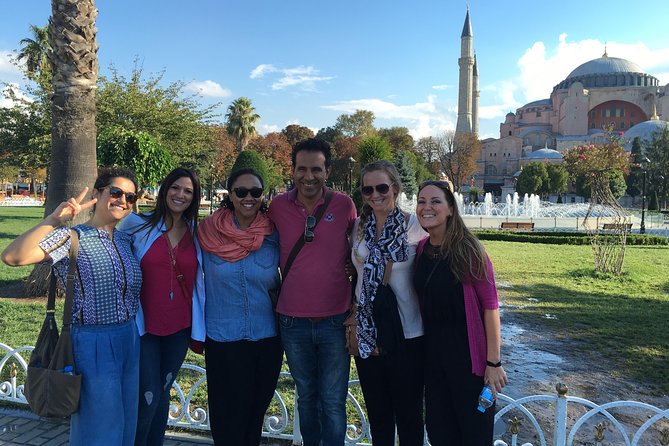
Your tour starts at Adamar Hotel Sultanahmet Istanbul, at Alemdar, Yerebatan Cd. No:37. If you’re staying in the Sultanahmet area, you likely meet on foot and avoid a van. If you’re farther out, pickup is offered, and the meeting point can be in front of the Adamar Hotel unless they confirm an easier approach.
The key idea: the itinerary is designed for the old-city pedestrian zone. In plain terms, that means fewer long transfers and more time at sites. The tour also says moderate physical fitness is best, because you’ll be moving through a dense historic core.
If you’re arriving by cruise, heavy traffic can be an issue, so the tram is strongly recommended for reaching the old city area quickly. That matters because Istanbul can turn a short distance into a long one when roads clog.
Topkapi Palace: 2 hours inside Ottoman power
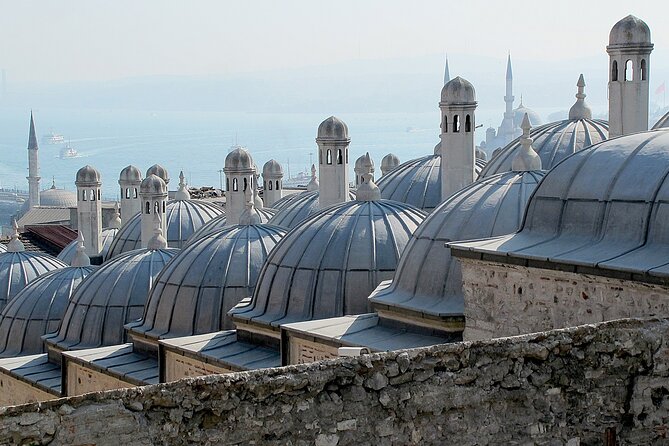
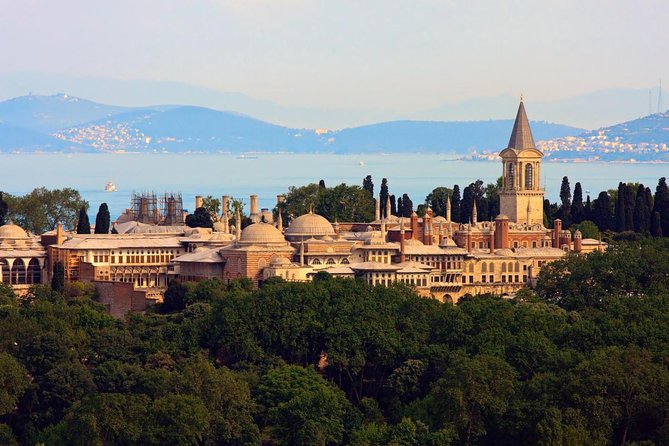
Topkapi Palace is scheduled for about 2 hours. This is the former imperial residence, where the Ottoman Empire was ruled for nearly 400 years, and it’s now a museum famous for collections tied to the Ottoman royal family.
What I like about this stop is the way it gives you a storyline. Even if you only absorb a few rooms and highlights, the scale and layout help you understand why the empire mattered and how Istanbul functioned as a governing center.
Your practical heads-up: Topkapi is closed on Tuesdays. On those days, the tour visits Basilica Cistern instead. Entrance is not included, and the ticket is paid in cash to the guide (listed at $63 per person, with potential changes before your date).
Hagia Sophia Grand Mosque: mosaics, legends, and big architectural drama
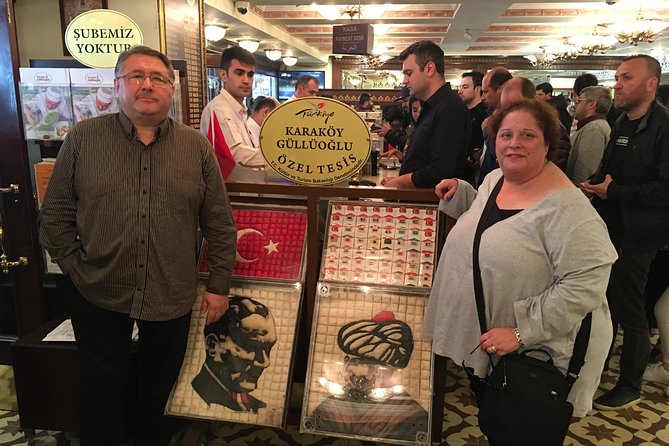
Hagia Sophia gets about 1 hour. You’ll see it as a 6th century church with Byzantine architectural impact, and the guide will talk through the legends and mosaics. This is one of the places where your eyes do half the learning.
The tour’s value here is pacing. One hour is enough to see the big interior features without turning it into a sprint. If you tend to get overwhelmed in huge spaces, having a guide steer you toward the most important visual moments helps you leave with real memories, not just photos.
Entrance is listed at $30 per person and is paid in cash to the guide (with potential changes). That cash detail matters, especially if you’re also paying for other sites the same day.
Blue Mosque, Hippodrome, and quick-hit orientation wins
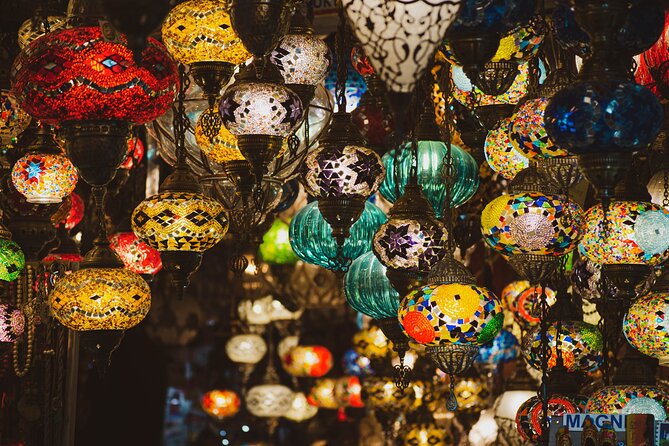
The Blue Mosque is on the plan for about 45 minutes, with admission listed as free. You’ll go inside and focus on the famous blue Iznik tiles and stained-glass effects. The time is right for most people, because you get the inside impact without losing daylight.
Right after that, you get a fast orientation stop at the Hippodrome for about 15 minutes. It’s the former center for sportive and political activity in Constantinople. The guide points out specific landmarks you can spot, including the Obelisk from Egypt, the Serpentine Column from Delphi, and the fountain of Wilhelm II.
These short stops are not filler. They’re what helps the city click. When you’re walking between major sites, Hippodrome gives you context for why certain areas mattered long before the modern tourist routes formed.
Three days, most of the essentials covered
- Best of Istanbul 1, 2 or 3-Day Private Guided Istanbul Tour
- Best Of Istanbul 1, 2 or 3-Day Private City Guided Tour
- Best Of Istanbul: 1, 2 or 3 Day Private Guided Tour
- Istanbul: Best of the City 1, 2 or 3-Day Private Guided Tour
- Istanbul: Cappadocia 2-3 Day Tour with Flights & Hotel
- Private Istanbul Tour with Guide for 1, 2 or 3 Day Options
Grand Bazaar navigation that actually saves time
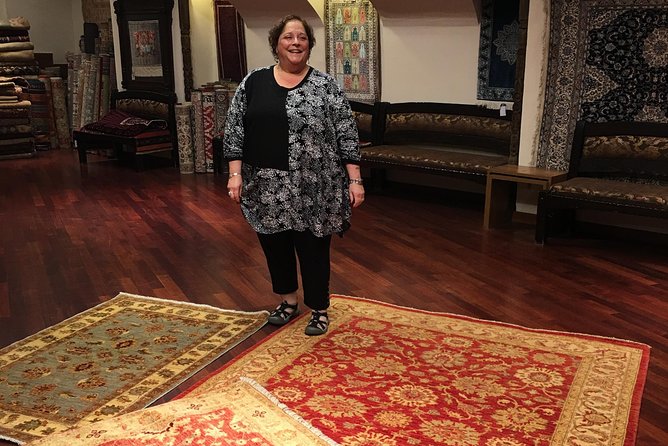
Grand Bazaar is included for about 30 minutes, with admission listed as free. It’s described as the oldest and biggest covered bazaar in the world, with over 4,000 shops, which is tourist math that usually equals confusion unless you’re steered well.
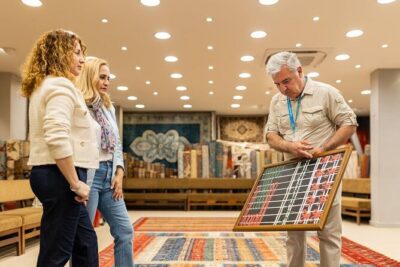
This is where having a guide is worth real money. A good one helps you avoid the trap of wandering into the most crowded lanes, then running out of time before you see anything meaningful. From guide experiences shared with this tour company, you can also expect tips for shopping areas outside the heaviest tourist flow, plus practical help with negotiating in a way that doesn’t feel pushy.
Watch for the swap: Grand Bazaar is closed on Sundays. When that happens, the tour visits the Spice Market instead.
Dolmabahce Palace and Bosphorus cruise for a change of pace
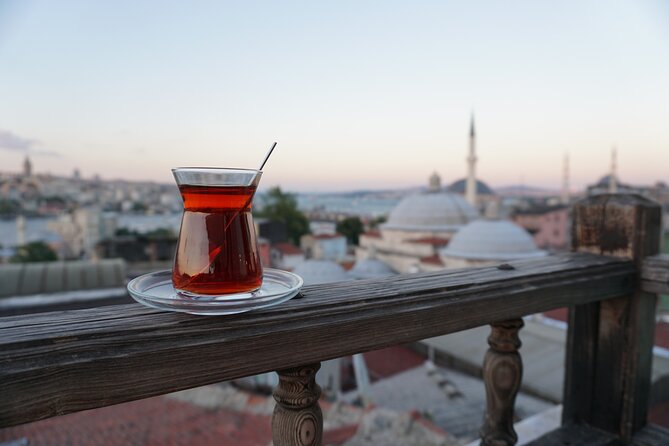
Dolmabahce Palace is scheduled for about 1 hour 30 minutes. It was built between 1843 and 1858 by Sultan Abdülmecid, and it blends Baroque, Rococo, and Neoclassical styles with traditional Ottoman architecture. In other words, it’s not just old Istanbul. It’s Istanbul showing off the 1800s.
Entrance is not included and is listed at $55 per person, paid in cash to the guide (with potential changes). I’d plan your day so you still have energy after this, because palace visits can be tiring if you spend the whole day standing in crowds.
Then comes the Bosphorus Strait Bosphorus cruise. The plan lists about 1 hour 30 minutes, and it’s specifically the Bosphorus cruise by public boat. Entrance for the cruise is $7 per person, not included.
The practical payoff is views with context. You’ll see how palaces, yalis (older Ottoman waterfront houses), mosques, and neighborhoods line both sides of the water. It breaks up the “tiles, stone, domes” rhythm and gives your feet a lighter workload.
Kadikoy, Rustem Pasha, and Spice Market stops that feel more local
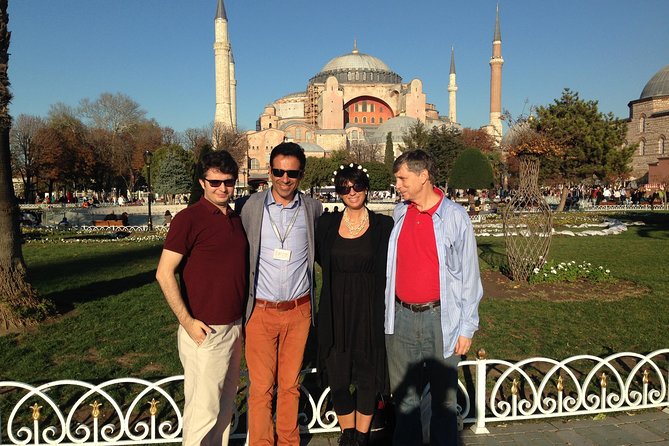
Kadikoy is scheduled for about 1 hour 30 minutes. The plan frames it as one of Istanbul’s most energetic, local districts. This stop is valuable because it shifts you from the old-city museum world into a neighborhood that feels more everyday.
You also have shorter cultural stops:
- Rustem Pasha Mosque (about 20 minutes, free entry) is known for Ottoman tilework inside. This is a great quick stop if you like details and don’t want your day to drag.
- Misir Carsisi (Spice Market) (about 30 minutes, free entry) is the sweet and spice zone. Turkish delights and spices are the headline here, and it’s also a good place to understand how commerce shapes culture in Istanbul.
If your route includes both Bazaar and Spice Market swaps, you’ll still get an all-important lesson in how to read the city through markets, not just monuments.
Basilica Cistern, Suleymaniye Mosque, and the Ottoman engineering mindset
Basilica Cistern is about 20 minutes and is the largest underground water reservoir from Byzantine times, dating to the 6th century. It’s also famous for Medusa heads visible in the cistern. This stop is atmospheric in a way that photos can’t fully match, mostly because the air feels cooler and the space feels enclosed.
Entrance is not included and is listed at $35 per person, paid by credit card at entry (fee may change). If Topkapi is closed on your travel day, Basilica Cistern is used as the replacement, so it becomes extra important to plan for it.
Suleymaniye Mosque follows for about 30 minutes. It was built by the great Ottoman architect Sinan in 1557, and it’s described as the most beautiful imperial mosque. Even if you only catch the main interior highlights, it’s a great way to shift from the older Byzantine layers into the Ottoman city story.
This pairing works well because you’re moving between different eras of power and different ways Istanbul solved practical problems, like water systems and worship spaces.
Chora Museum mosaics for the Byzantine side most people miss
Chora Museum (also referred to as the Chora monastery complex) is scheduled for about 1 hour. It’s described as one of the oldest and most important religious foundations of Byzantine Constantinople, and it’s especially known for mosaic and fresco decoration.
This is the stop that makes your tour feel like more than just the usual headline circuit. If you love art details, you’ll probably enjoy how this fits into the bigger story of Istanbul’s religious and cultural layering.
Entrance is not included and is listed at $25 per person, paid by credit card at entry (fee may change). If you’re time-tight, this is the one I’d prioritize for the “wow, I did not expect that” factor.
Balat, an iron church, and the Orthodox Patriarchate
Balat is about 30 minutes. It’s described as a place where you can enjoy the most authentic houses in Istanbul, which is a nice way of saying you’ll see neighborhoods rather than just monuments.
Then you get two compact but fascinating stops:
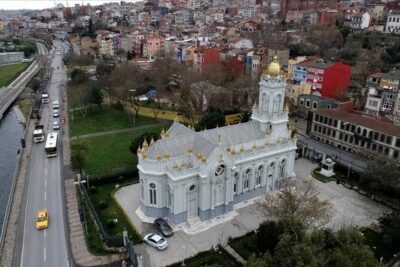
- Bulgarian Orthodox Church (about 15 minutes, free entry) is noted as fully made of iron.
- Fener Rum Patrikhanesi (about 15 minutes, free entry) is the Orthodox Patriarchate.
These are short, but they add texture. They’re also a reminder that Istanbul is not only one religion’s story, or one empire’s story. It’s layered city life built over centuries.
How guides customize this tour, with real examples of what changes
The best part of a private tour is not the bus-free comfort. It’s the fact that your guide can adjust when your energy, interests, or weather shifts.
This tour company’s guides include names like Emel, Emre, Ozge, Selcuk, Ugur, Bayram, Rumeysa, Rose, Gul, and Serdar. Across their approaches, a pattern shows up: they listen, then they steer.
For example, Emel is specifically praised for adjusting to physical limitations and taking shortcuts to minimize walking while still covering the planned highlights. That’s not a minor detail. It can mean the difference between enjoying Istanbul and feeling punished by your own itinerary.
Ozge is praised for starting early to get into Hagia Sophia before the busiest crowds, which is exactly the kind of scheduling advantage you can feel immediately. Another guiding style you’ll benefit from is navigation through markets with less pressure to buy, including help finding the right shops and products without turning the bazaar into a hard sell.
Selcuk’s story stands out for cruise logistics help, escorting someone to the tram and helping with a smooth start that prevented a morning scramble. If you’re visiting under a tight time window, that kind of local problem-solving is gold.
Practical tip for you: tell your guide two things upfront. Your must-dos, and your must-avoids (long lines, stairs, shopping pressure, or late starts). A good guide will build the day around that.
Who this tour fits best
This private Istanbul plan is a strong match if you:
- Want a first-timer introduction that hits the biggest Ottoman and Byzantine sites without random stops.
- Have limited time and want a guide to group locations efficiently.
- Prefer asking questions in real time, from architecture to how neighborhoods work.
- Travel with a range of ages or mobility needs, because some guides focus on pace and shortcuts.
- Like the idea of adding a Bosphorus cruise or shifting to Kadikoy for a more everyday feel.
It might be less ideal if you:
- Want zero walking and zero planning, because even the “walking tour” design requires you to move through a dense area.
- Only want free sights. Several major attractions are listed as not included, so you’ll need to budget entrances.
Should you book this Istanbul City Private Guided Tour?
I’d book it if you want a smart, flexible Istanbul orientation with a real human steering the day. The price works best when you share it within a group of up to 8, and the experience becomes especially valuable when you include the paid highlights like Topkapi, Hagia Sophia, Basilica Cistern, Chora, and Dolmabahce.
Before you say yes, do two quick checks. First, decide which paid stops you truly want, so you can estimate your total per person. Second, think about your walking comfort and morning preferences, because guides can adjust, but you’ll get the best outcome when you tell them what matters to you.
Newest tours in Istanbul


Hidden Gems Tours, compared.


Istanbul Grand Bazaar: From Rooftops to the Secret Passages
Read our review →
Highlights & Hidden Gems With Locals: Best of Istanbul Private Tour
Read our review →
Istanbul Off the Beaten Path Tour with Guide, Lunch and Transfers
Read our review →
Istanbul Modern City Walking: Taksim to Galata With Secret Passages
Read our review →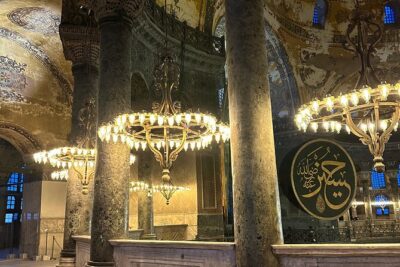
Istanbul Old City Highlights and Hidden Gems Tour
Read our review →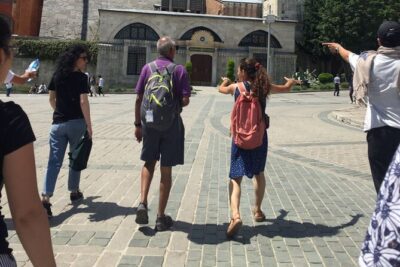
Istanbul Old Town Tour: Classics, Highlights & Hidden Gems
Read our review →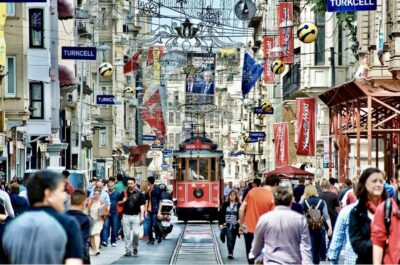
Istanbul Modern City: Taksim to Galata With Secret Passages
Read our review →Browse the lists this tour appears in