Reviewed · CITY TOURS
Istanbul: 1 or 2 -Day Private Guided City Tour
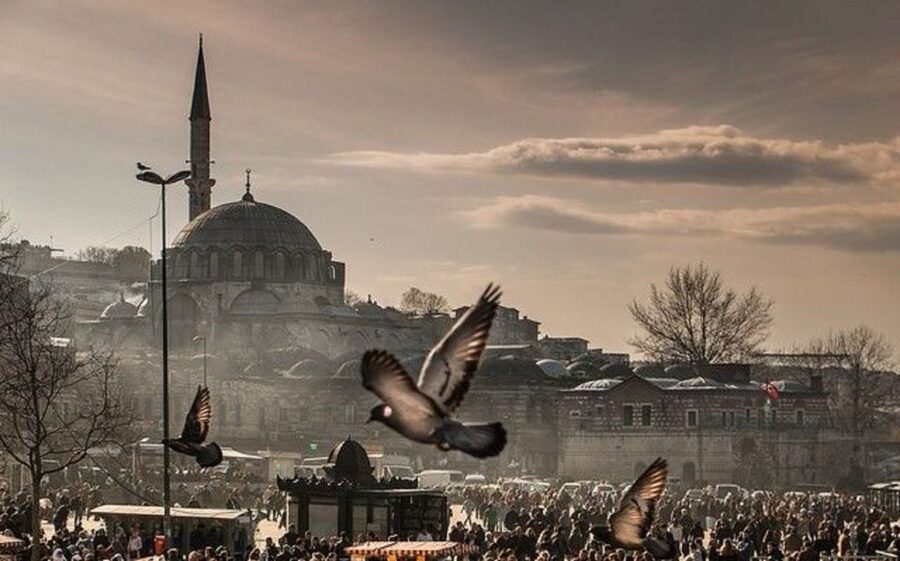
Istanbul overloads your senses in the best way, and this private route strings together the biggest sights with an efficient walking flow. I love how the guide brings Hagia Sophia to life with clear Byzantine-to-Ottoman context, and I love the way Grand Bazaar time turns into more than just shopping stops. One possible drawback: you still need to budget for entrance tickets, and opening hours can shift, so one key site may not always match your ideal timing.
What makes this feel worth it is the human touch. With a private licensed guide, I’ve seen people specifically praise guides like Ebru for going beyond facts and sharing real cultural context, and Ayla for helpful tips when schedules squeezed a visit. At the same time, your experience depends on the guide, so if you want a strong history focus, it helps to set that expectation early.
In This Review
- Key things I’d watch for before you book
- A private route that hits the icons, fast
- Meeting at the German Fountain and why the start matters
- Grand Bazaar and Basilica Cistern: noisy on top, cool underground
- Hagia Sophia: mosaics, the dome, and the “why it mattered”
- The Blue Mosque and Sultanahmet streets: the tiles you notice first
- Topkapi Palace: the palace you can feel in your feet
- Hippodrome monuments and easy photo wins around Sultanahmet
- Dolmabahçe Palace and the Bosphorus edge of town
- Bosphorus Strait stops: forts, palaces, and that two-continents feeling
- Skip-the-ticket-line, but still plan for entrance fees
- Price and value at $35 per person, what makes it work
- What kind of traveler should book this
- Who might be disappointed, and how to prevent it
- Should you book this private Istanbul tour?
- FAQ
- How long is this Istanbul private guided city tour?
- Where do I meet the guide?
- Are entrance tickets included?
- What’s included in the price?
- Which languages are available for the live guide?
- Is pickup available from my hotel?
Key things I’d watch for before you book
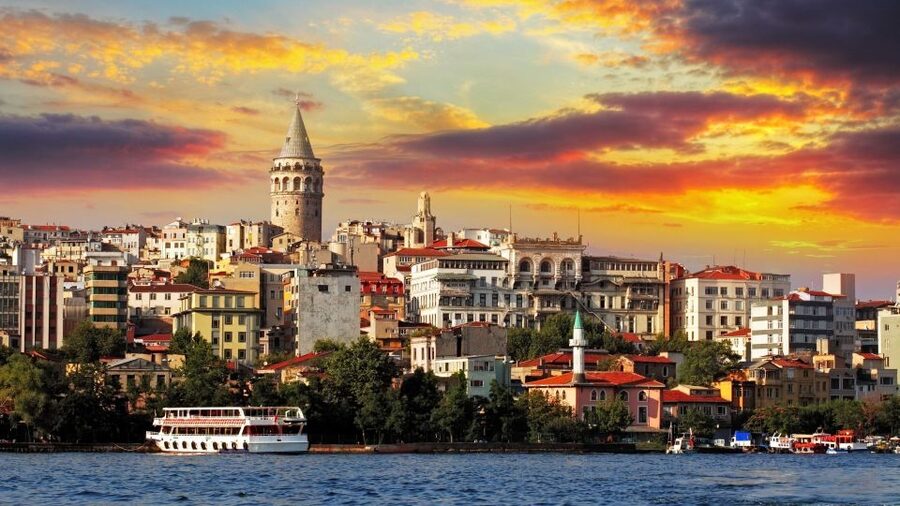
- Hagia Sophia plus Basilica Cistern in the same day, so you see Byzantine grandeur and underground engineering back to back.
- Skip-the-ticket-line positioning for major stops, while still planning for entrance fees you pay separately.
- Topkapi Palace highlights that are visually memorable, from Iznik tile details to the Harem’s ornate rooms.
- The Blue Mosque, Sultanahmet area, and Hippodrome monuments clustered in one walkable zone.
- Dolmabahçe, Beyoğlu, Taksim, and the Bosphorus if you choose the longer route version, for a more modern-meets-historic Istanbul mix.
- Grand Bazaar time with guidance that can either sharpen your bargaining and priorities or steer you too hard into shops, depending on the guide.
A private route that hits the icons, fast
Istanbul is famous for being big. This tour takes that problem and turns it into a plan you can follow without constantly checking maps, rerouting, and guessing at priorities.
You’ll move through the classic sights people come for, but the difference here is the sequencing and interpretation. You get guided time at the most visually intense stops, then some free wandering so the city can do what it does best, pull you off course in a good way.
The price point, listed at $35 per person, can look like a bargain for a private licensed guide. The tradeoff is that entrances are not included, so the real cost is the ticket total plus whatever transportation option you choose.
More of Istanbul beyond the obvious sights
- Istanbul: Bosphorus Dinner Cruise & Show with Private Table
★ 4.8 · 62,058 reviews - Best of Istanbul 1, 2 or 3-Day Private Guided Istanbul Tour
★ 5.0 · 8,922 reviews - Istanbul: Private Turkish Bath, Massage, and Spa in Old City
★ 4.6 · 3,225 reviews
Meeting at the German Fountain and why the start matters
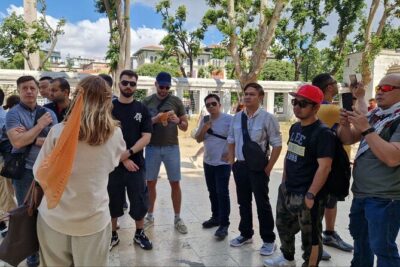
The meeting point is simple: the front of the German fountain. From there, you’re set up to reach the major Sultanahmet-area sights without burning time on first-trip logistics.
One detail I really like is that hotel pickup is optional. If you can arrange pickup, you cut down on early-day stress, especially because Istanbul sidewalks are crowded and uneven in places.
Also note that the tour order may change to avoid congestion. That matters because Hagia Sophia, the Blue Mosque, and Topkapi Palace can get packed, and even a small timing shift can make the difference between a smooth visit and a “too long in lines” day.
Grand Bazaar and Basilica Cistern: noisy on top, cool underground
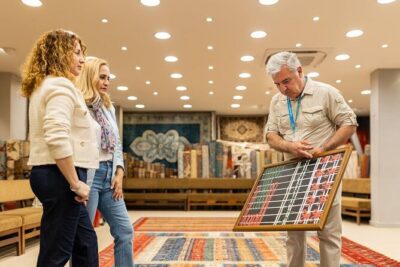
The day often starts in the Grand Bazaar, one of the largest and oldest covered markets in the world. Plan to see that famous maze energy right away, with hundreds of small shops selling things like handmade carpets, plus plenty of food and drink stops.
This is a good place to use a guide strategically. You can ask what to look for, what’s overpriced, and where the market feels most authentic versus most tourist-performative. Just keep your guard up about any push toward a quick purchase, since a couple of experiences in the feedback show how guide style can shape your time.
Then you jump from the market’s heat to the Basilica Cistern, the ancient water storage museum. The contrast is the point. Above ground, everything moves quickly and loudly. Underground, you get a quieter, more atmospheric look at how Constantinople managed water needs centuries ago.
Even if you’ve seen photos of the cistern, being there changes how you interpret it. You understand the scale, the lighting, and why this place still feels like a set from a history film, even when you’re standing in real stone that’s centuries old.
Hagia Sophia: mosaics, the dome, and the “why it mattered”
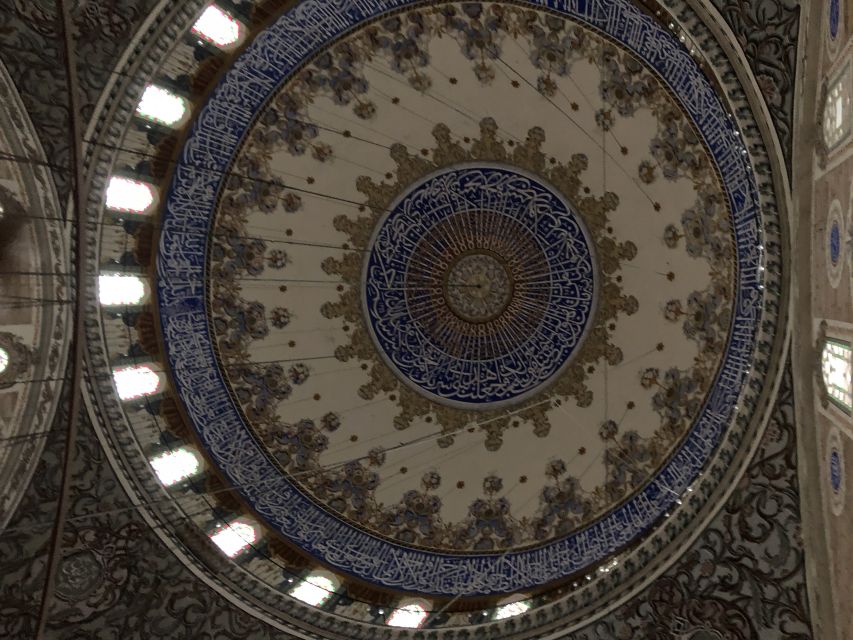
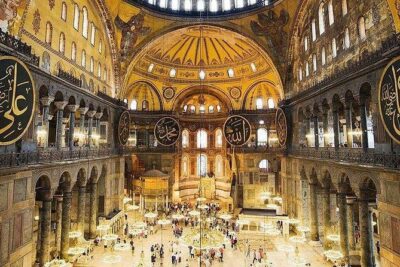
Hagia Sophia is treated as a centerpiece for a reason. You’ll spend guided time inside the Hagia Sophia Museum, focusing on the mosaics and the largest dome in the complex.
What I like about this tour’s approach is that it frames the building as more than a pretty landmark. It’s described as one of the greatest surviving examples of Byzantine architecture, dedicated to Hagia Sophia, or divine wisdom, and it served as the largest church in the world for many centuries.
That context helps you look smarter. When you’re inside, you can spot details with a purpose, not just as decoration. You’ll also get a clearer sense of how the building connects the Byzantine and Ottoman empires in a single silhouette.
The Blue Mosque and Sultanahmet streets: the tiles you notice first
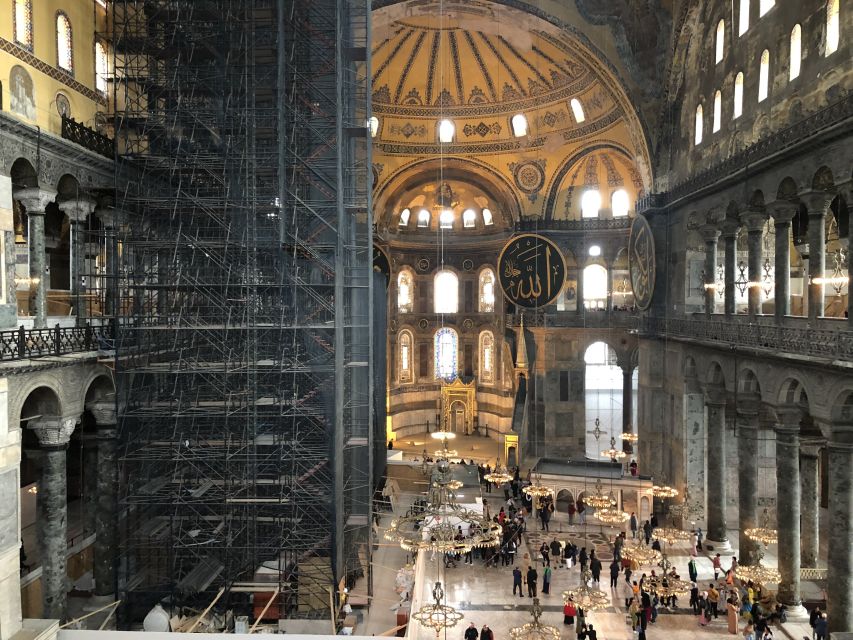
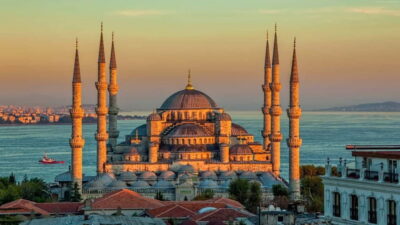
Next up is the Sultan Ahmed Mosque, widely known as the Blue Mosque. This is where the blue tiles do their job immediately, turning a normal mosque visit into a visual experience you feel in your eyes before your brain catches up.
You’ll have time for a guided visit and then time to stroll around the Sultanahmet district. This is the part of the day where photography works best when you slow down. Look for small streets, courtyard corners, and the way locals move through the area, not just the big postcard views.
One real scheduling consideration: a guide can’t control religious hours and event closures. In at least one experience, the Blue Mosque was closed until 14:30 on a Friday, and the group had to adjust by visiting later on their own. So if you’re sensitive to visit timing, I’d build a little flexibility into your plans, even with a private guide.
Add these before you book flights home:
- Istanbul: Daytime or Sunset Sightseeing Cruise & Audio Guide
- Istanbul: Bosphorus Dinner Cruise & Turkish Night Show
- Istanbul: Basilica Cistern Fast-Track Entry and Audio Guide
- Istanbul: Hagia Sophia Skip-the-Line Ticket & Museum Option
- Istanbul: Hodjapasha Whirling Dervishes Show & Exhibition
- Topkapi Palace and Harem Skip-the-Line-Tickets & Audio Guide
Topkapi Palace: the palace you can feel in your feet
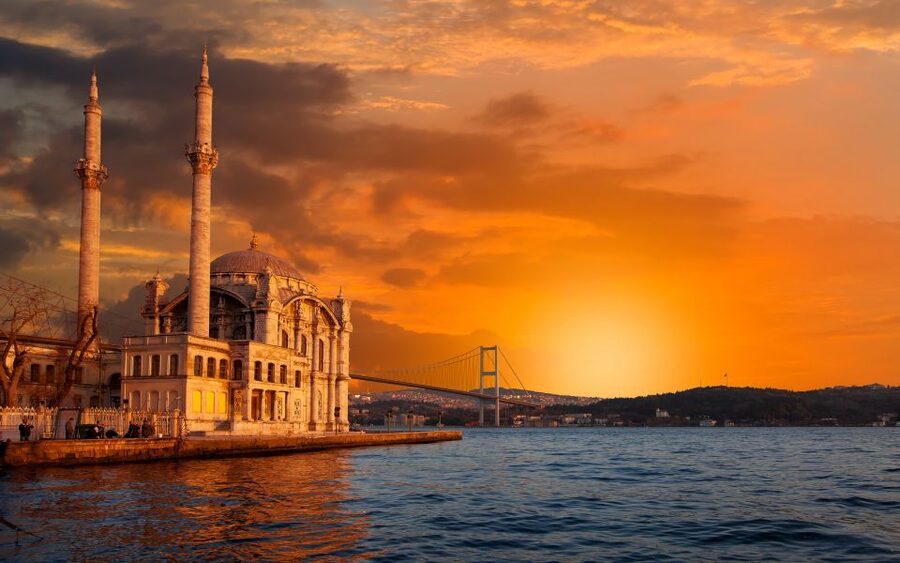
Topkapi Palace is the Ottoman story you can walk through. You’ll have guided time, with photo stops plus time inside.
Two things make this stop work. First, it’s described as a former palace with around 4,000 residents at its peak and 25 sultans over 400 years. Second, the buildings and rooms aren’t just historical concepts, they’re covered with details people remember, like gorgeous Iznik tiles and the ornate staterooms connected with the Harem.
If you end up with a guide who knows how to explain what you’re seeing, this becomes more than ticket time. In feedback, Ebru and Naje were both praised specifically for strong palace explanations, especially for Topkapi and Dolmabahçe.
And yes, there’s a very practical side. Topkapi is spread out, and you’re walking. Comfortable shoes matter more here than in places with flat, easy flooring.
Hippodrome monuments and easy photo wins around Sultanahmet
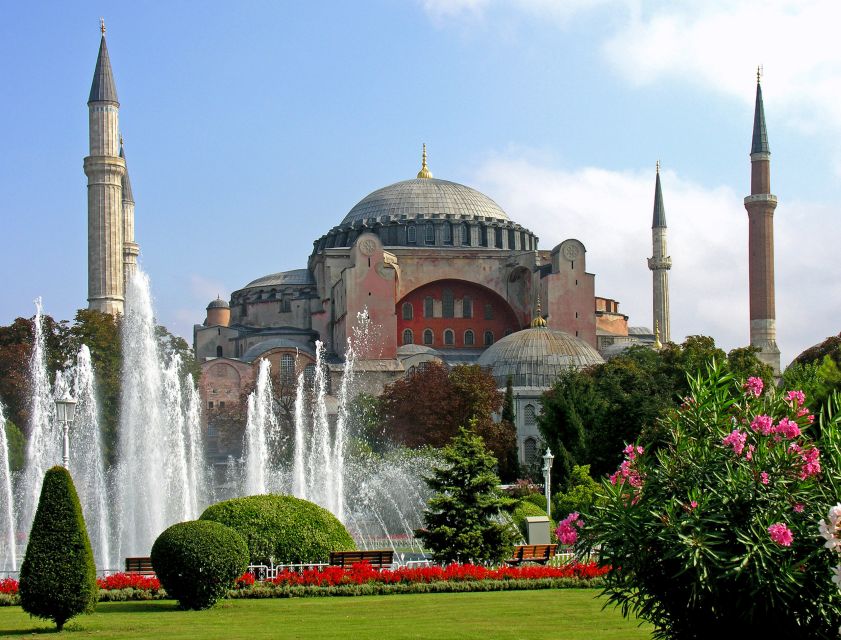
Between the big museums and palaces, the tour often includes stops that help you understand Constantinople at street level. The Hippodrome of Constantinople is one example, a former circus built in 203 AD by Roman Emperor Septimius Severus.
Three monuments from the original building remain, including the Egyptian Obelisk, the Serpentine Column, and the Constantine Column. Pausing to look at these helps you connect the city’s Roman layers to what you see later in Byzantine and Ottoman landmarks.
You might also spot the German Fountain of Wilhelm II near the area, made from eight marble columns. Even if you don’t memorize every date, you’ll leave with a mental map of how layers of rulers left physical fingerprints around the same neighborhood.
Dolmabahçe Palace and the Bosphorus edge of town
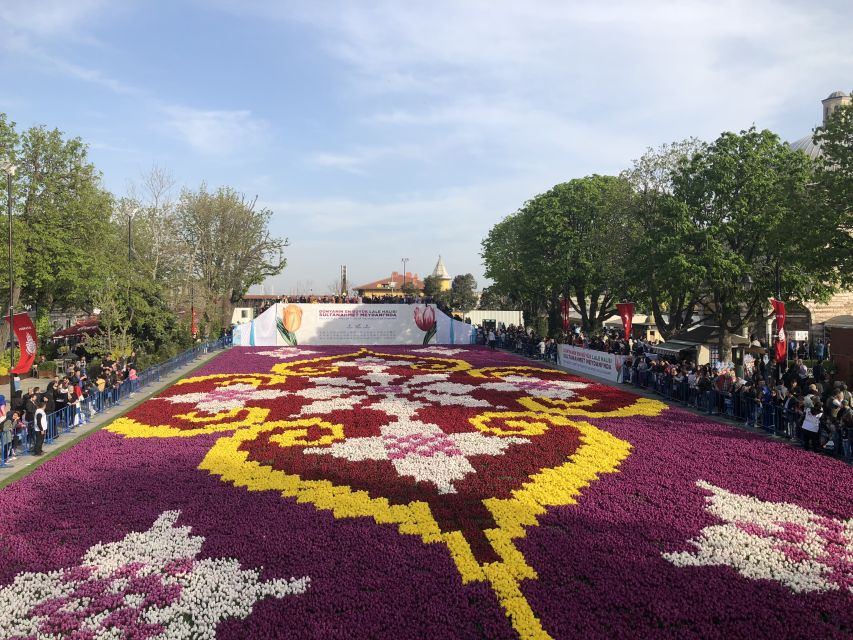
If you choose the longer version of the route, you’ll head beyond Sultanahmet toward the Bosphorus side. Dolmabahçe Palace is a major highlight, described as the administrative center of the Ottoman Empire and home to some of the last Ottoman sultans.
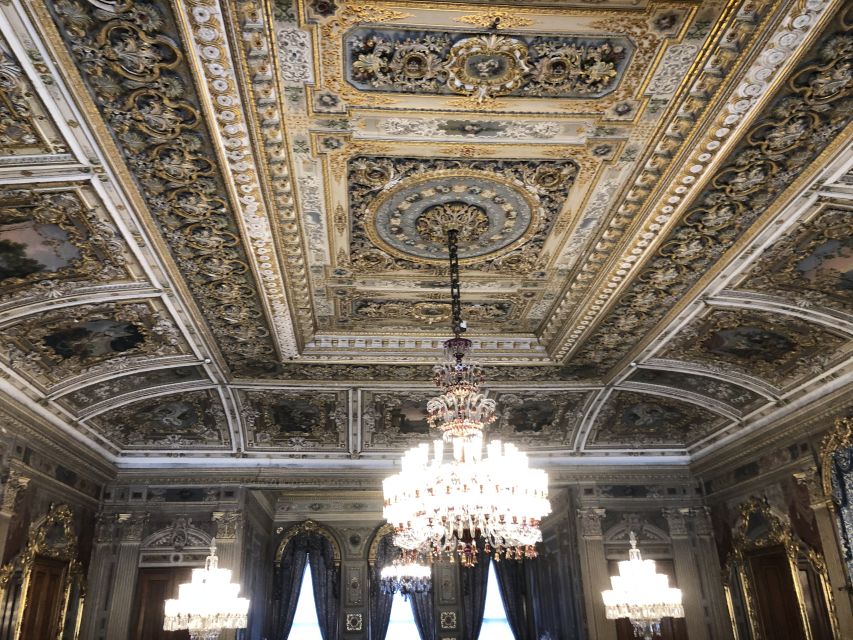
This is the kind of stop that changes how you picture power. Topkapi feels like the long, layered palace world. Dolmabahçe feels more state-like and ceremonial, and you’re also dealing with the fact that it sits on a promontory created by filling in a small bay on the Bosphorus.
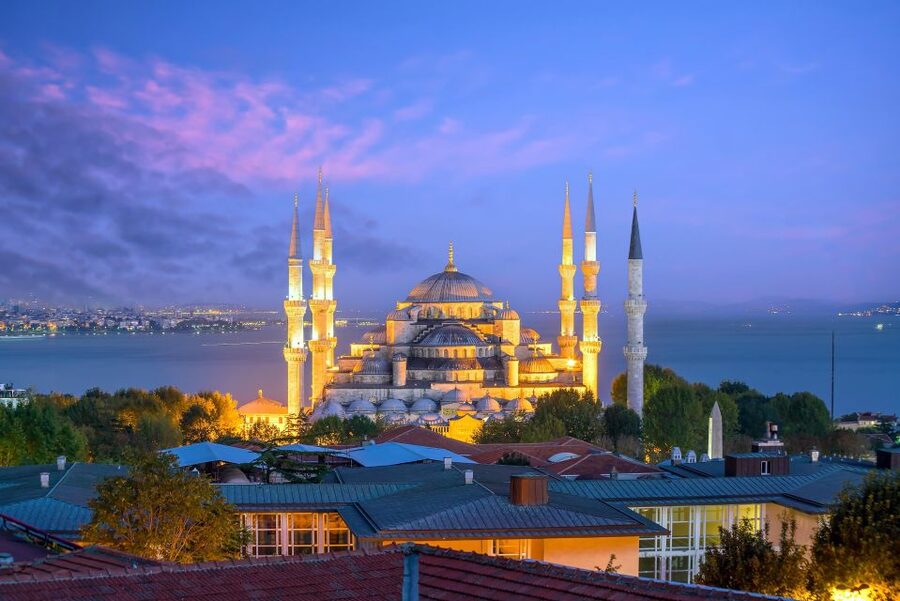
Then the tour can swing toward Beyoğlu and Taksim, including a walk along Istiklal Street. Istiklal Street is described as lively with shops, restaurants, and bars, and from there you can take a scenic walk down about two kilometers toward the Tunel and Galata Tower area.
Even if you’re not shopping, this is a good pace change. After hours of monuments, you get to see how modern Istanbul breathes.
Bosphorus Strait stops: forts, palaces, and that two-continents feeling
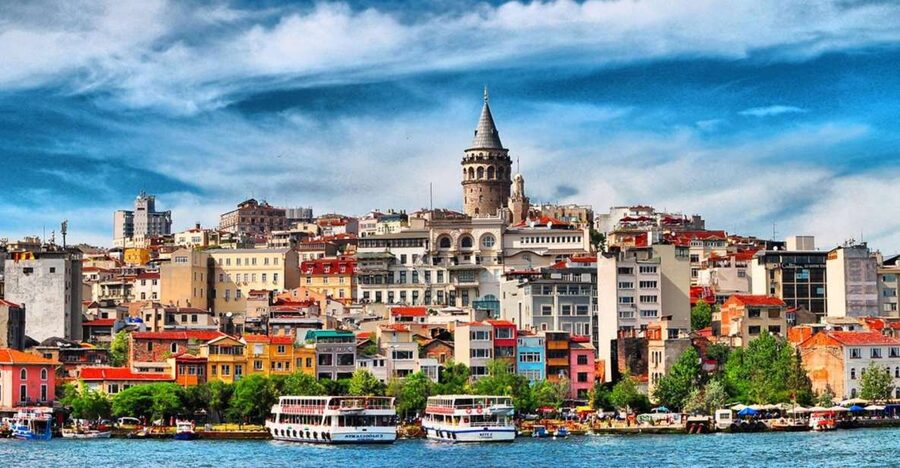
The Bosphorus Strait is explained clearly in the tour description: it’s a narrow navigable strait between Europe and Asia, connecting the Black Sea to the Marmara Sea. If you’re new to Istanbul, this is one of the fastest ways to understand why the city is both central and exposed, a gateway and a prize.
You may get Bosphorus viewpoints and photo stops, plus context about Rumeli and Anadolu Fortresses, which are located at the narrowest point of the strait. The route also points out Ottoman palaces and mosques along the water.
One small tip for getting more out of these stops: treat them like a moving orientation session. Look at the shoreline and the fortress locations, then connect that to what you saw earlier in the day around Sultanahmet. Istanbul becomes less like a list of sites and more like one geography that rulers kept trying to control.
Skip-the-ticket-line, but still plan for entrance fees
A key promise is that you can skip the ticket line. That’s helpful at the biggest stops like Hagia Sophia, the Blue Mosque area, and Topkapi.
Just don’t confuse that with tickets being included. Entrance tickets are listed as not included, so your day has two layers of cost: tour price plus the ticket totals you buy separately.
This matters for value. If you’re budgeting tightly, look up the likely ticket costs before you decide. If you’re more focused on time saved and a cleaner experience, skip-the-ticket-line becomes more important than squeezing every last dollar.
Price and value at $35 per person, what makes it work
At $35 per person, the biggest question is how you get value from a private guide. Here’s what tends to justify the cost.
First, you’re not just visiting sites, you’re getting guided context that helps you understand what you’re looking at. Feedback includes praise for guides like Ebru, who was noted for going beyond simple explanations and sharing cultural context tied to each monument.
Second, you’re reducing wasted time. With a planned route, optional pickup, and the ability to skip ticket lines, you’re spending more hours on sights and less on queues and uncertainty.
Third, your experience can scale up or down depending on guide behavior. Some feedback highlights how a guide’s priorities matter, including one case where time felt too short and another where the guide steered strongly toward shops. That’s not a “tour scam” signal every time, but it is a reminder to choose a guide style that matches your expectations.
What kind of traveler should book this
This tour fits best if you want structure. If you like having your day shaped around major sights, and you’d rather be guided than figure things out alone, you’ll likely feel satisfied.
It’s also a solid choice for people who want both mega-monuments and variety. You get Byzantine and Ottoman landmarks in one zone, then if you choose the longer option, you also get a modern Istanbul feel through Dolmabahçe, Beyoğlu, Taksim, Istiklal Street, and Bosphorus viewpoints.
If you hate walking, you should think twice. The route is a lot of walking, plus museum time and stairs in older buildings. The provided info is also inconsistent on mobility needs, listing wheelchair accessibility but also saying it is not suitable for people with mobility impairments. If mobility is a concern, contact the provider directly before you book.
Who might be disappointed, and how to prevent it
The biggest risk is mismatch. If your guide spends too much time pushing shopping, you’ll feel the tour slipping from culture into commercial errands.
You can reduce this risk with two simple moves. First, set your priority out loud at the start, for example history and architecture first, shopping only if it supports your interests. Second, watch how you’re spending time, if you’re rushing through the palace rooms you wanted most, ask for a tighter focus on your must-sees.
Also, be flexible about timing. One experience noted the Blue Mosque was closed until mid-afternoon on a Friday, which can throw off a carefully planned day. A private guide can help reroute, but you still have to accept that some closures are outside anyone’s control.
Should you book this private Istanbul tour?
Book it if you want an organized, private way to hit Hagia Sophia, the Blue Mosque, Topkapi Palace, Basilica Cistern, and the Grand Bazaar, with the option to extend into Dolmabahçe and the Bosphorus area. The best version of this day is strong because the guides can turn each stop into something you understand, not just something you photograph.
Skip it or switch plans if you’re extremely price-sensitive and want maximum freedom to move at your own pace, since entrance tickets add up and some time is spent in market settings. Also consider the guide factor. In the feedback, names like Ebru, Ayla, and Naje were praised for clear, engaging explanations, while other experiences described frustration when the focus drifted or time felt short.
If you like structure, you’ll likely be happy. If you want freedom above all else, you might prefer buying tickets yourself and using a guide only for one or two key sites.
FAQ
How long is this Istanbul private guided city tour?
The tour is listed as 7 hours and also offered as a 1 or 2-day option depending on availability and what option you choose.
Where do I meet the guide?
The meeting point is in front of the German fountain.
Are entrance tickets included?
No. Entrance tickets are not included, even though the tour offers skip-the-ticket-line for major sites.
What’s included in the price?
Included items are a private professional licensed guide and the 1 or 2-day tour option. Transportation is included only if you book the transportation option.
Which languages are available for the live guide?
The guide is available in English, French, German, Spanish, and Portuguese.
Is pickup available from my hotel?
Pickup is optional, and the provider can pick you up from your hotel or from the meeting point area listed for the tour.
Newest tours in Istanbul

City Tours, compared.

Private Turkish Bath, Massage, and Spa in Old City
Read our review →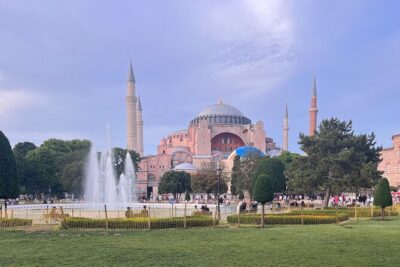
ISTANBUL BEST: Iconic Landmarks Full Day PRIVATE Guided City Tour
Read our review →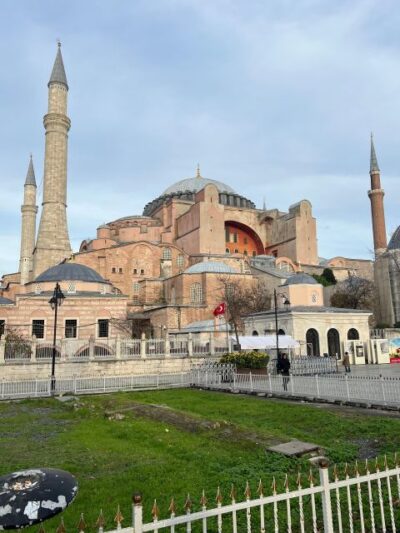
Best Of Istanbul 1, 2 or 3-Day Private City Guided Tour
Read our review →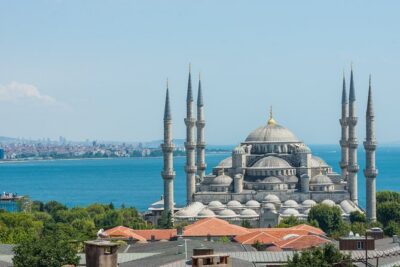
City Highlights Tour w/Hagia Sophia & Blue Mosque
Read our review →
Princes Islands Blue Journey from Old City Istanbul
Read our review →